
Fruits that are good for bone health, such as oranges, guava, kiwi, strawberries, papaya, and soursop, can help provide vitamin C, which supports bone health in older adults. However, bone health should also be supported by adequate calcium, vitamin D, protein, and appropriate physical activity.
As people age, bone density tends to decrease, increasing the risk of brittle bones and fractures. Therefore, maintaining bone health is important by meeting nutritional needs, including through the consumption of fruits that support bone health.
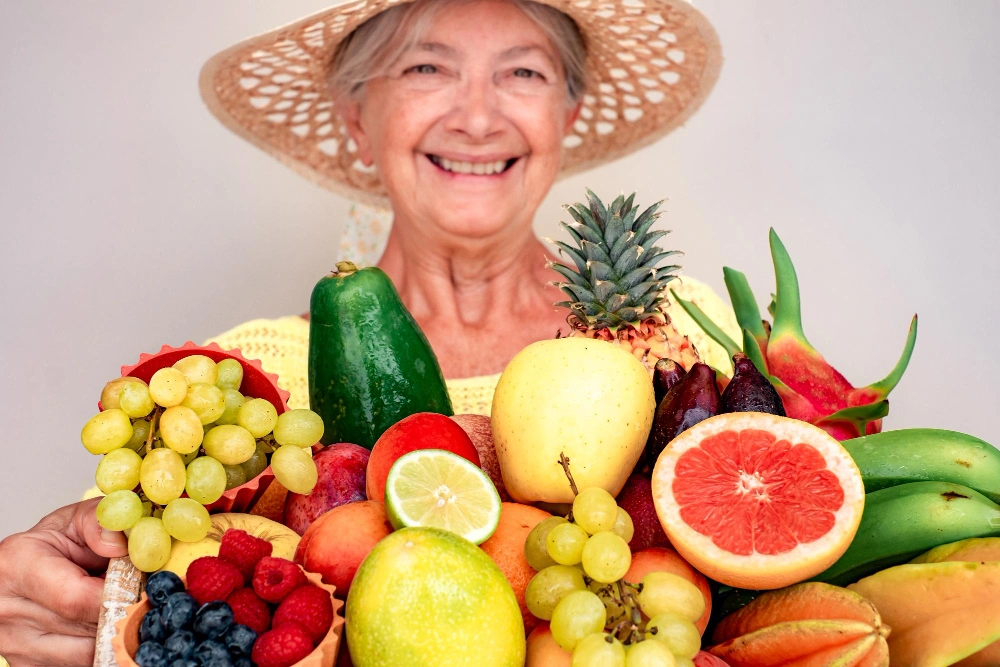
Various fruits contain vitamins and minerals that can support bone health and strength. Including them as part of a balanced and nutritious diet can make it easier to meet the nutrients needed for healthy bones every day.
Why Do Older Adults Need to Maintain Bone Health?
Older adults need to maintain bone health because bone density tends to decrease with age, making bones more fragile and susceptible to fractures. This can increase the risk of injury and affect their ability to perform daily activities independently.
Healthy bones help support the body and allow older adults to move and perform everyday activities, such as going to the bathroom. Therefore, maintaining bone strength is important for supporting their quality of life and independence.
In addition to meeting their calcium and vitamin D needs, older adults can maintain bone health by engaging in regular physical activities such as walking, strength training, or light exercise. These activities help maintain bone strength while also supporting muscle strength and balance.
A balanced and nutritious diet is also important and should provide adequate protein, calcium, vitamin D, magnesium, phosphorus, and vitamin K. These nutrients can be obtained from various food sources, including fish, eggs, milk and dairy products, leafy green vegetables, nuts, seeds, and fruits.
Read Also: Exercise Guide for Older Adults to Stay Fit
Fruits That Are Good for Bone Health
Some types of fruit contain vitamins and minerals that support the formation and maintenance of bone tissue. Here are several fruit options that can be included as part of a healthy diet to help meet the nutritional needs of older adults.
1. Oranges
Oranges are rich in vitamin C, which helps the body produce collagen, an important component of bone tissue that helps maintain bone structure and strength. Older adults can eat one medium-sized orange per day as part of a balanced and nutritious diet.
In addition to vitamin C, oranges also contain folate, potassium, and water, which can help complement daily nutritional needs. It is best to eat oranges as whole fruit to obtain fiber and avoid packaged orange juice, which commonly contains added sugar.
2. Guava
Guava is a fruit that is particularly high in vitamin C. Vitamin C helps the body produce collagen, a protein that forms part of bone tissue and plays a role in maintaining bone structure and strength. Older adults can eat one medium-sized guava per day as a healthy snack.
In addition to vitamin C, guava also contains fiber and minerals such as potassium, which can complement daily nutritional intake. Serve guava as whole fruit cut into small pieces to make it easier to eat, and avoid adding excessive sugar or sweeteners.
3. Kiwi
Kiwi is one of the fruits that contains vitamin K, a nutrient involved in bone formation and maintenance. Eating 1–2 kiwis per day can be one way to increase vitamin K intake as part of an older adult’s diet.
Kiwi also provides vitamin C, fiber, and potassium, which can help meet daily nutritional needs. To make it easier to eat, choose ripe kiwi with a soft texture and serve it in small pieces, especially if the older adult has difficulty chewing.
4. Strawberries
Strawberries are rich in antioxidants, such as anthocyanins and phenolic compounds, which help protect the body’s cells from damage caused by free radicals. These nutrients can be part of a healthy diet that supports overall health, including in older adults.
Older adults can eat about 1 cup of strawberries (approximately 150 grams) per day as a snack or addition to a meal. Strawberries can be eaten fresh after being thoroughly washed or added to oatmeal and yogurt without added sugar.
5. Papaya
Papaya contains vitamin C and can help provide nutrients that support collagen production. Its soft texture also makes papaya relatively easy for older adults to eat.
Papaya also contains fiber, folate, and potassium, which can complement the daily diet. Older adults can eat around 150 grams of papaya per day. Choose ripe fruit and serve it in small pieces to make it easier to chew and swallow.
6. Soursop
Soursop contains vitamin C, which helps meet nutritional needs that support collagen production. This fruit also contains fiber, which can complement a nutritious diet and help older adults meet their daily fiber requirements.
Older adults can eat approximately 100–150 grams per day as a snack or addition to a meal. Before serving, make sure all soursop seeds have been removed, as the seeds should not be eaten. Cut the fruit into small pieces to make it easier to consume.
Nutrients in Fruit That Support Bone Health
In addition to choosing the right types of fruit, it is important for families to understand the nutrients that support bone health. Here are several nutrients to consider when choosing fruits for older adults.
1. Calcium
Calcium is an important mineral and one of the main components responsible for maintaining bone density. If calcium intake is insufficient, the body may take calcium from the bones, which can reduce bone density.
Although some fruits contain certain amounts of calcium, fruit is not a primary source of calcium. Calcium needs can be supplemented through low-fat milk, yogurt, cheese, calcium-fortified tofu, and soft-boned fish such as sardines and anchovies. In addition, choose foods fortified with calcium, such as soy milk and breakfast cereals.
2. Vitamin C
Vitamin C supports various processes needed by the body to form bone structure. Fruits such as oranges, guava, strawberries, kiwi, papaya, and soursop can help meet vitamin C requirements.
Because the body cannot produce vitamin C on its own, it needs to be obtained through food. Fruits and vegetables are good sources of vitamin C for older adults.
3. Vitamin K
Vitamin K plays a role in biological processes related to bone metabolism and health, although its primary dietary sources are leafy green vegetables. Some fruits that contain vitamin K include kiwi, avocado, blueberries, and prunes, although their vitamin K content is not as high as that of leafy green vegetables.
Therefore, fruit should be consumed as a complementary source rather than the only source of vitamin K in an older adult’s diet. If a parent takes blood-thinning medication such as warfarin, changes in vitamin K intake should be discussed with a doctor because they may affect how the medication works.
Benefits of Fruit for Preventing Brittle Bones in Older Adults
Fruit can be part of a nutritious diet that helps provide various nutrients needed to maintain bone health in older adults. Although fruit cannot directly prevent brittle bones, eating a variety of fruits can provide several benefits, including:
- Supporting collagen production: Fruits rich in vitamin C, such as oranges, guava, and strawberries, help the body produce collagen, which forms part of bone tissue.
- Complementing vitamin K intake: Some fruits, such as kiwi, avocado, and blueberries, contain vitamin K, which plays a role in bone metabolism.
- Providing antioxidants: Fruits such as strawberries and blueberries contain antioxidants that help protect cells from damage caused by free radicals.
- Helping meet mineral needs: Bananas, avocados, and papayas contain minerals such as potassium and magnesium, which can complement nutritional intake to support bone health.
- Increasing fiber intake: Fruits such as guava, pears, apples, and avocados contain fiber that can help older adults meet their daily fiber requirements.
To obtain these benefits, older adults should consume a variety of fruits rather than relying on just one type. Combine fruit with vegetables, protein sources, and foods rich in calcium and vitamin D to provide a more complete range of nutrients needed to maintain bone health.
Read Also: Tailbone Pain When Sitting in Older Adults? Here’s How to Treat It
Maintaining bone health in older adults requires a balanced and nutritious diet, regular physical activity, and adequate intake of nutrients such as calcium, vitamin D, vitamin C, and vitamin K. Fruits that are good for bone health, such as oranges, guava, kiwi, strawberries, papaya, and soursop, can complement nutritional intake to support bone health and overall well-being.
In addition to maintaining bone health, older adults’ comfort during daily activities is also important so they can remain confident and independent. Parenty Adult Pants Soft features soft materials, high absorbency, and a comfortable design to help keep older adults comfortable and dry throughout the day.
1. What Fruit Is Best for Bone Health in Older Adults?
There is no single fruit that is best for everyone. Oranges, guava, kiwi, strawberries, papaya, and soursop can all be good choices because they contain vitamin C, which supports the formation of bone structure.
2. Can Eating Fruit Make Older Adults’ Bones Stronger?
Fruit can help provide vitamins and minerals that support bone health. However, bone strength is also influenced by adequate calcium, vitamin D, protein, physical activity, and overall health.
3. Do Older Adults Need Supplements for Bone Health?
Not all older adults need supplements. The need for supplements depends on each person’s health condition and nutritional intake. It is best to consult a doctor or dietitian before giving supplements to an older adult.