
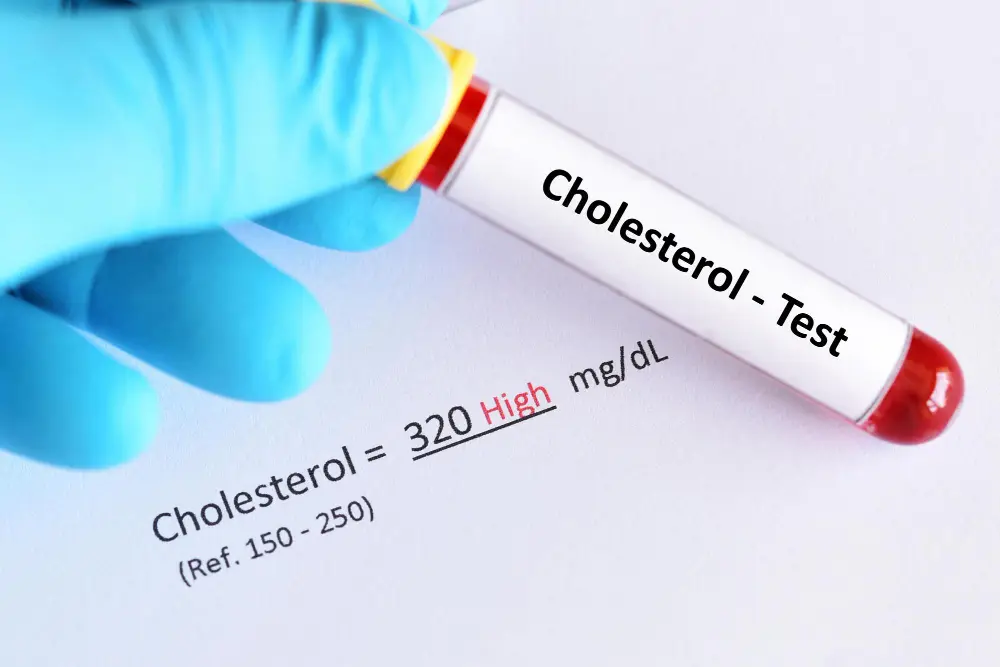
High cholesterol can be lowered by following a diet low in saturated fat, exercising regularly, maintaining a healthy weight, quitting smoking, and following a balanced and nutritious diet.
High cholesterol can affect anyone, including older adults. This condition needs attention because uncontrolled cholesterol levels can increase the risk of heart disease, stroke, and other health problems.
Helping older adults maintain healthy cholesterol levels can start with everyday habits. A healthy diet, physical activity, and regular health checkups are important parts of keeping cholesterol levels under control.
What Is High Cholesterol and What Causes It?
Cholesterol is a fat-like substance that the body needs to build and maintain cell structures and help produce several hormones, such as estrogen, testosterone, and cortisol. However, excessively high cholesterol levels can cause plaque to build up in the blood vessels.
High cholesterol often does not cause noticeable symptoms. Some causes and risk factors for high cholesterol include:
- Unhealthy diet: Consuming too many foods high in saturated and trans fats, such as fried foods, fatty meat, and foods containing coconut milk.
- Lack of physical activity: Being physically inactive or rarely exercising can increase the risk of unhealthy cholesterol levels.
- Being overweight: Excess body weight can affect cholesterol and triglyceride levels.
- Smoking: Smoking can lower HDL (good cholesterol) levels and damage blood vessels.
- Excessive alcohol consumption: Drinking too much alcohol can increase triglyceride levels and affect heart health.
- Genetic factors: Certain inherited conditions can cause high cholesterol even when a person follows a healthy lifestyle.
- Age: As people age, the body may become less effective at regulating and clearing cholesterol from the blood. These changes become more noticeable after the age of 40, causing the risk of high cholesterol to increase in this age group.
For older adults, maintaining healthy cholesterol levels becomes increasingly important because high cholesterol can trigger plaque buildup in the blood vessels and increase the risk of cardiovascular diseases, such as coronary heart disease, heart attacks, and stroke. Therefore, regular health checkups can help monitor an older adult’s cholesterol levels and detect disease risks early.
Read Also: 8 Restrictions After Having a Heart Stent That You Should Know
Ways to Lower High Cholesterol
Several lifestyle changes can help lower cholesterol levels. For older adults, these changes should be introduced gradually and adjusted according to their health condition and doctor’s recommendations.
1. Follow a Diet Low in Saturated Fat
A diet to help lower cholesterol does not mean drastically reducing food intake. Instead, it means managing the types and amounts of food consumed. Limit foods high in saturated fat, such as fried foods, chicken skin, fatty meat, butter, and fast food. Choose healthier sources of fat, such as avocados, nuts, seeds, and fatty fish.
Older adults should eat nutritious foods rich in fiber, such as vegetables, fruits, and whole grains, as well as lean protein sources such as fish, skinless chicken breast, eggs, tofu, and tempeh. If an older adult has a specific health condition, food choices and portion sizes should be adjusted according to the recommendations of a doctor or dietitian.
2. Exercise Regularly
Regular physical activity can help maintain heart health and support cholesterol management. Encourage older adults to engage in moderate-intensity physical activities, such as leisurely walking, light exercise, stationary cycling, swimming, or gardening, for around 30 minutes per session, 5 days a week, for a total of approximately 150 minutes per week.
There is no need to force high-intensity exercise, especially if an older adult has only recently started becoming physically active. The duration can be increased gradually, starting with 10–15 minutes per session and increasing according to their ability. The type and intensity of activity should be adjusted to their health condition and doctor’s recommendations.
3. Do Not Smoke
Smoking can lower HDL (good cholesterol) levels and make LDL (bad cholesterol) more susceptible to oxidation, which can accelerate plaque buildup on the walls of blood vessels. This condition can increase the risk of narrowed blood vessels, heart disease, and stroke.
Children and family members can help older adults manage smoking cravings by offering alternatives, such as sliced fruit, unsalted nuts, or water, or by inviting them to take a leisurely walk. If an older adult has difficulty quitting on their own, consult a doctor or healthcare professional for appropriate support.
4. Stop Drinking Alcohol
Excessive alcohol consumption, such as drinking alcohol regularly almost every day, can increase triglyceride levels, a type of fat in the blood that the body uses as an energy reserve. Therefore, older adults should stop consuming alcohol to help maintain healthy blood fat levels and heart health.
For older adults who still consume alcohol, it is advisable to consult a doctor about alcohol consumption based on their health condition. This is especially important if they have certain medical conditions or are taking medication, as alcohol can interact with certain types of medication.
5. Maintain a Healthy Eating Pattern
In addition to paying attention to food choices, older adults should maintain a regular eating pattern consisting of 3 main meals and 1–2 healthy snacks if needed. For example, breakfast around 7:00 a.m., lunch at 12:00 p.m., and dinner around 6:00–7:00 p.m., with snacks between meals if needed.
Make sure meal portions are adjusted to the older adult’s nutritional needs and activity level. Avoid skipping meals and then eating excessive amounts at the next meal, as irregular eating patterns can make weight management more difficult.
How to Prevent High Cholesterol
Maintaining healthy cholesterol levels should not only begin after a test shows elevated cholesterol. Healthy habits adopted early can help maintain healthy cholesterol levels while also supporting overall health in older adults.
1. Eat Nutritious Foods Regularly
Make sure an older adult’s daily menu contains a variety of nutritious foods. Include more vegetables such as spinach, broccoli, carrots, and green beans. Examples of fruits that are good for older adults include apples, oranges, papaya, and bananas. Protein can be obtained from fish, skinless chicken breast, eggs, tofu, and tempeh.
Complete the diet with high-fiber foods such as oatmeal, brown rice, whole-wheat bread, almonds, peanuts, chia seeds, and pumpkin seeds. Limit foods high in saturated fat, such as fried foods, chicken skin, fatty meat, butter, and coconut milk, as well as foods high in sugar and salt, such as sweet pastries, packaged drinks, instant foods, and processed foods.
2. Maintain a Healthy Weight
Being overweight can increase the risk of abnormal blood fat levels and various health problems, such as diabetes, high blood pressure, heart disease, stroke, and joint problems. Therefore, help older adults maintain a healthy weight by adopting simple habits, such as eating portions appropriate to their needs, staying physically active, and avoiding frequent consumption of high-calorie foods and beverages.
For example, if their weight starts to increase, an older adult can gradually reduce portion sizes and add light activities such as walking for 20–30 minutes a day. Avoid strict diets or skipping meals because older adults still need adequate energy and nutrients to maintain muscle mass and prevent malnutrition.
3. Manage Stress
Long-term stress can affect overall health. Helping older adults manage stress can involve encouraging them to participate in enjoyable activities that suit their abilities.
Spend time talking, taking leisurely walks, pursuing hobbies, or doing activities together as a family. Support from loved ones can also help older adults feel more comfortable maintaining their daily routines.
4. Get Regular Health Checkups
High cholesterol often does not cause clear symptoms, so older adults should have their lipid profile checked at least once a year, or more frequently if they have high cholesterol, diabetes, heart disease, or other risk factors, according to their doctor’s recommendations. A lipid profile typically includes total cholesterol, LDL (bad cholesterol), HDL (good cholesterol), and triglycerides.
In addition to cholesterol testing, regular health checkups for older adults may include blood pressure, blood sugar, body weight, and waist circumference measurements to help assess the overall risk of heart and blood vessel disease. If test results show abnormal cholesterol levels or other risk factors, the doctor can determine whether additional tests or treatment are needed based on the older adult’s condition.
Read Also: Can Diabetes Be Cured or Can It Only Be Managed?
Conclusion
Adopting a healthy lifestyle, such as maintaining a balanced diet, exercising regularly, and not smoking, can be an effective way to lower high cholesterol in older adults. Regular health checkups are also important to monitor their physical condition and cardiovascular disease risk so potential problems can be detected and prevented early.
To help older adults stay comfortable and active throughout the day without worrying about incontinence, support their mobility by choosing Parenty Adult Pants Soft. These adult pull-up pants are made with cotton-soft materials, feature a 3D surface that minimizes friction on sensitive skin, and offer high absorbency for maximum protection throughout the day.
FAQ
1. Can high cholesterol be lowered without medication?
Yes, especially by improving your diet, exercising regularly, maintaining a healthy weight, and quitting smoking. However, if cholesterol levels remain high or the risk is significant, a doctor may recommend cholesterol-lowering medication.
2. What foods should be avoided when you have high cholesterol?
Foods high in saturated and trans fats, such as fried foods, chicken skin, fatty meat, butter, fast food, and processed foods. Choose foods high in fiber and healthy sources of fat, such as vegetables, fruits, nuts, and fish.
3. Can older adults with high cholesterol exercise?
Yes. Older adults with high cholesterol can still exercise by choosing activities that match their abilities and health conditions. Leisurely walking can be one suitable option. If they have a particular medical condition, consult a doctor about which activities are safe.