Maintaining health in old age is not enough with regular meals and moderate exercise. Elderly people also need the right intake of vitamins and minerals, one of which is vitamin D. This vitamin has an important role in maintaining bone strength, immunity, and mental health. Unfortunately, many elderly people are deficient in vitamin D due to lack of sun exposure and changes in body functions as they age.
In this article, you will find a complete explanation of what vitamin D is, its benefits for the elderly, natural and supplemental sources that can be consumed, as well as the risks that can arise if the body is deficient in vitamin D. Let's take a look so that you can help your parents or elderly relatives stay healthy and active!
What is Vitamin D?
Vitamin D is a fat-soluble vitamin whose main function is to help the body absorb calcium and phosphorus from food. These two minerals are essential for building and maintaining strong bones and teeth. Vitamin D differs from other vitamins in that it can be produced directly by the body when the skin is exposed to sunlight, specifically ultraviolet B (UVB) rays.
However, the body's ability to produce vitamin D from sunlight decreases with age. In the elderly, vitamin D production from the skin can decrease by up to 75% compared to when they were younger. In addition, a more indoor lifestyle and the use of closed clothing when going out also limits sun exposure.
That is why the elderly are at high risk of vitamin D deficiency and need special attention regarding their daily intake.
Benefits of Vitamin D for the Elderly
Vitamin D is not only important for growing children, but it is also vital for the elderly. The following are some of the benefits of vitamin D for the elderly to stay healthy and fit:
1. Maintains Bone Health and Prevents Osteoporosis
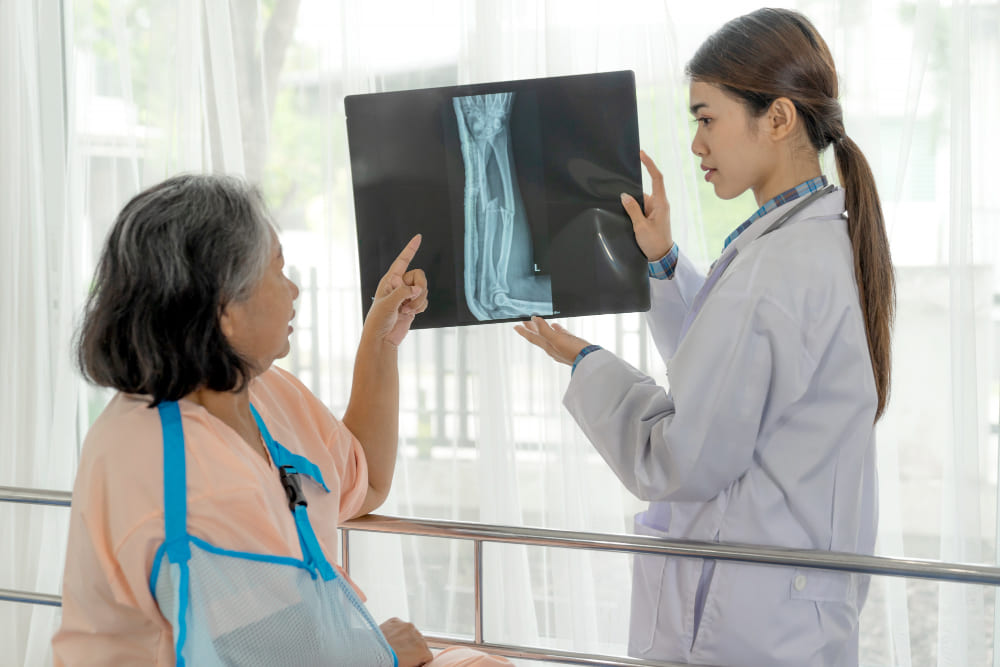
Vitamin D helps the body absorb calcium optimally. Calcium is the main component of bone formation. In the elderly, vitamin D deficiency can cause bones to become brittle and increase the risk of osteoporosis, a condition in which bones become porous and break easily, especially in the hips, wrists, and spine.
2. Improves Muscle Strength and Prevents Falls
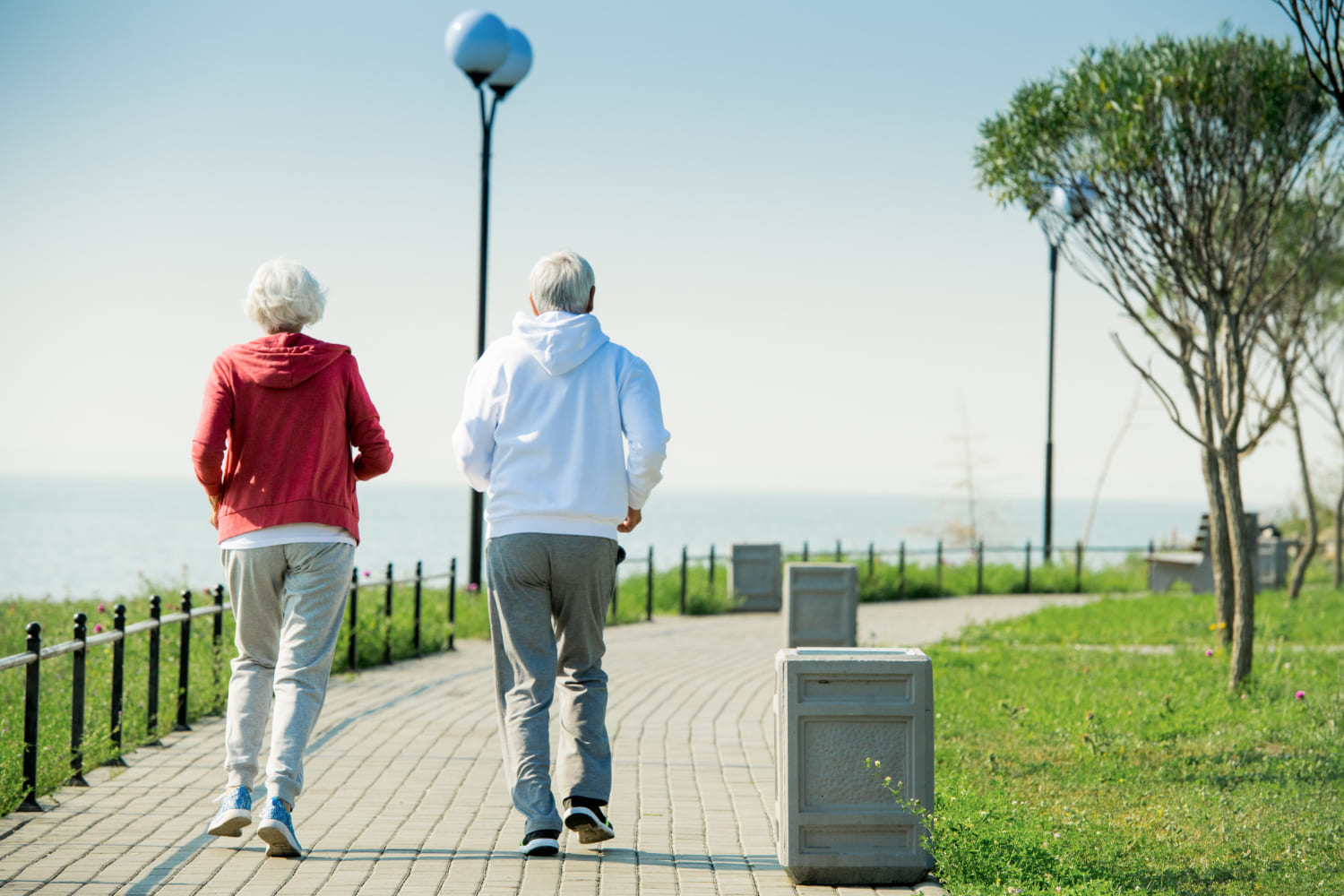
As we age, muscle mass shrinks and body strength decreases. Vitamin D plays an important role in maintaining optimal muscle function. Some studies have shown that older adults with adequate vitamin D levels have better muscle strength and a lower risk of falling.
3. Strengthens the Immune System
Vitamin D also plays a role in regulating the body's immune response. Vitamin D deficiency can make the elderly more susceptible to infections such as flu, pneumonia, and COVID-19. With adequate levels of vitamin D, the immune system of the elderly can increase and be better able to fight disease.
4. Maintain Mental and Emotional Health
Studies show that low vitamin D levels are associated with an increased risk of mood disorders such as depression. In the elderly, this condition is quite common and can impact overall quality of life. Vitamin D contributes to the production of the hormone serotonin, which plays a role in regulating mood and happiness.
5. Lower Risk of Chronic Disease
Vitamin D is also associated with a reduced risk of chronic diseases such as type 2 diabetes, heart disease, and hypertension. Although research is still ongoing, many preliminary results suggest that adequate vitamin D intake may support the long-term health of older adults.
Sources of Vitamin D
There are three main ways to get vitamin D:
1. Sunlight
The main source of vitamin D is exposure to direct sunlight. Seniors are advised to sunbathe in the morning around 7:00-09:00 for 10-15 minutes every day. Avoid the midday sun which is too strong as it can damage the skin. Make sure that some parts of the skin such as arms or legs are exposed so that the sunlight can be absorbed properly.
2. Foods Rich in Vitamin D
Some foods naturally contain vitamin D, such as:
- Fatty fish (salmon, sardines, mackerel, tuna)
- Cod liver oil
- Eggs (especially egg yolks)
- Beef liver
- Dairy products and cereals fortified with vitamin D
While these foods can help meet vitamin D needs, the amount is usually not enough if consumed alone without the help of sunlight or supplements.
3. Vitamin D supplements
If sun exposure and food intake are insufficient, your doctor may recommend vitamin D supplements. For the elderly, the dosage generally ranges from 800 to 2,000 IU (International Units) per day, depending on individual needs and blood test results. Do not take supplements without medical advice as excess vitamin D can also cause side effects.
Risks of Vitamin D Deficiency
Vitamin D deficiency in the elderly can cause various health problems that affect quality of life. Some of the risks to watch out for include:
- Osteomalacia (bone softening)
Unlike osteoporosis, osteomalacia makes bones painful, bendy, and weak due to lack of mineralization caused by vitamin D deficiency.
- Increased risk of falls and fractures
Weak muscles and brittle bones make older people more prone to falls, which can result in serious fractures.
- Immune disorders
Seniors with vitamin D deficiency are more susceptible to infections due to a weakened immune system.
- Cognitive and mood problems
Vitamin D deficiency is associated with decreased brain function, memory loss, and the risk of dementia and depression.
Therefore, it's important to check vitamin D levels regularly, especially if seniors are rarely exposed to sunlight or have symptoms such as fatigue, muscle pain, or decreased body strength.
Vitamin D is not just another vitamin, it's one of the key ingredients in maintaining the overall health of older adults. From keeping bones strong, boosting the body's immunity, to helping maintain a stable mood, all can be supported by this vitamin. Elderly people need to get vitamin D intake from sunlight, food, and if necessary supplements that are tailored to individual needs.
Let's start paying attention to the vitamin D intake of your parents or elderly relatives around you. With this simple step, you can help them enjoy old age with a healthy body and a cheerful spirit!