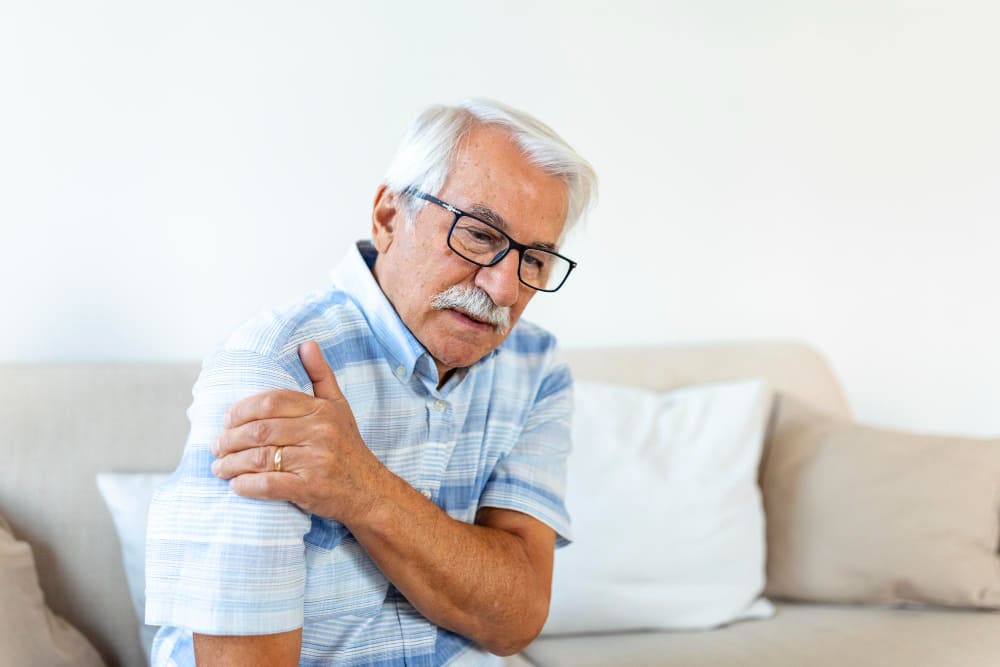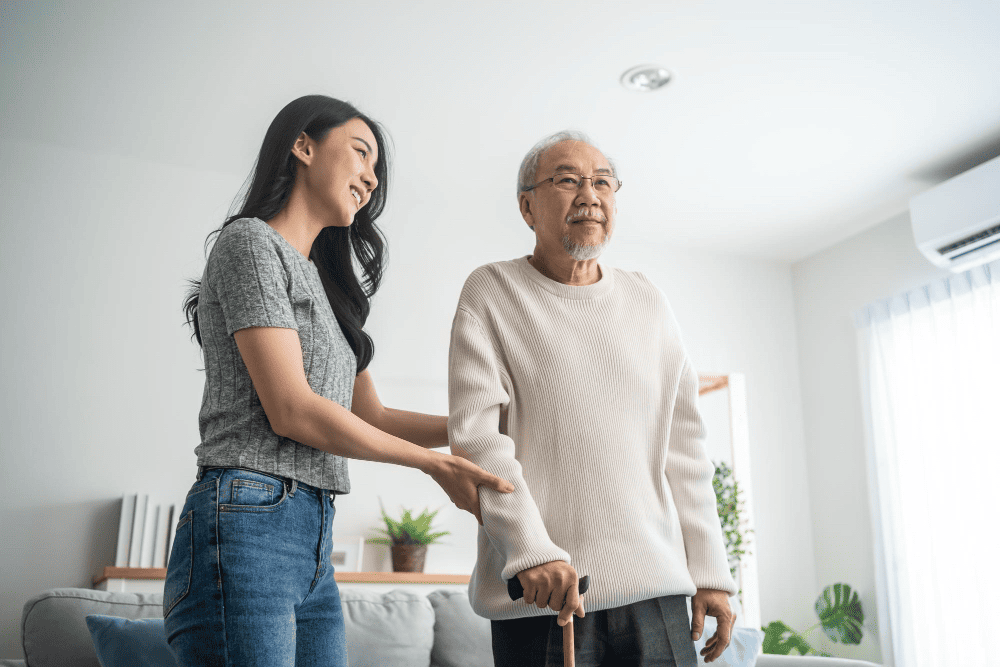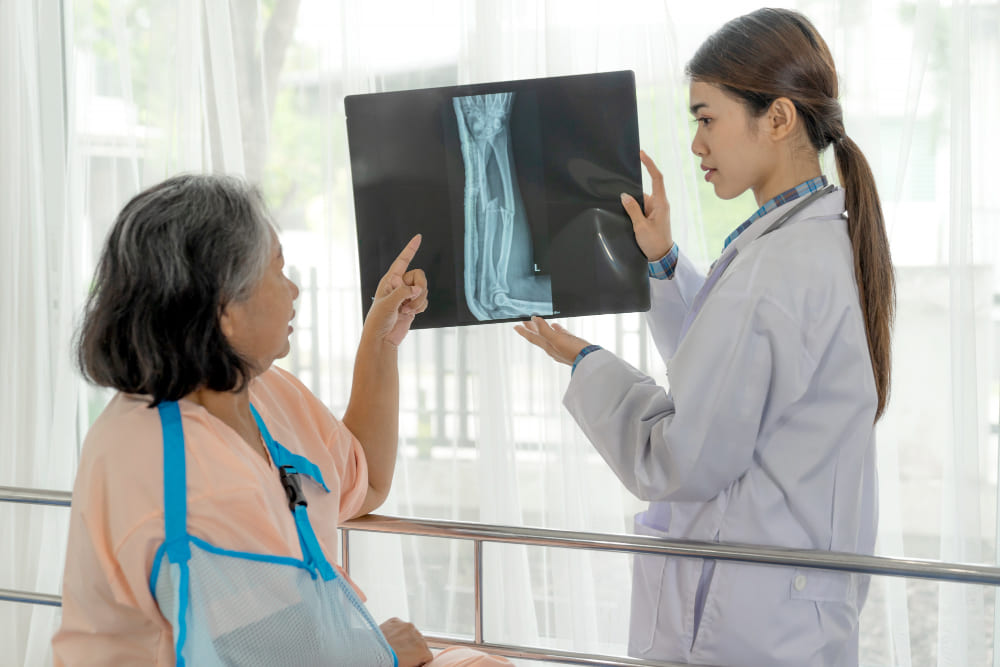
Bone calcification, or osteophyte formation, is a condition commonly experienced by older adults. Many people aged 30 to 60 begin to pay closer attention to their parents’ health when symptoms such as joint pain, stiffness, or difficulty moving start to appear. This condition not only affects the quality of life of seniors but also requires family involvement to ensure optimal care.
Medically, bone calcification is often linked to osteoarthritis, a degenerative joint disease. This process occurs gradually and is influenced by age, activity level, and overall health. Although it cannot be completely cured, the condition can be managed with proper treatment so older adults can stay active and comfortable.
What Is Bone Calcification?
Bone calcification is a condition in which calcium builds up around the joints, forming small bony projections called osteophytes. Osteophytes are bone growths that develop due to long-term friction or inflammation in the joints. This process is part of natural joint degeneration that occurs with aging.
According to the Arthritis Foundation, osteophyte formation is the body’s response to repairing damaged joints. However, this growth can cause pain, stiffness, or reduced mobility. Bone calcification most commonly occurs in the knees, hips, neck, lower back, and fingers.
In older adults, this condition is often associated with osteoarthritis, the most common form of arthritis. Osteoarthritis occurs when cartilage becomes thinner, causing bones to rub against each other and trigger inflammation. The WHO identifies osteoarthritis as one of the leading causes of mobility limitations in older age.
Causes of Bone Calcification
Bone calcification occurs due to a combination of several factors. Here are the most common causes based on clinical research:
Natural aging
As we age, cartilage degenerates, making joints more vulnerable to friction. The body then forms osteophytes as part of the repair process, which is why calcification is more frequent among seniors.
Excessive joint load
Excess weight increases pressure on the knees and hips, accelerating joint degeneration. The National Institutes of Health notes that obesity is a risk factor for osteoarthritis.
History of joint injuries
Previous injuries to the knees, wrists, or spine can increase the likelihood of osteophyte formation later in life.
Genetics and certain health conditions
Some people are genetically predisposed to higher risk. Diseases such as diabetes and chronic joint inflammation may also speed up joint damage.
Lack of physical activity
Joints need regular movement to maintain flexibility and proper nutrient circulation. Seniors who are less active tend to experience stiffness and inflammation more quickly.
How to Manage Bone Calcification in Older Adults
Treatment aims to reduce pain, improve joint function, and maintain quality of life. Below are recommended management strategies based on medical guidelines and physiotherapy practices.
Consult an orthopedic or geriatric specialist
The first step is to consult an orthopedic doctor or geriatrician. Examinations may include X-rays, MRI, and joint evaluation. Accurate diagnosis helps determine appropriate treatment, such as physical therapy, pain relief medication, or further intervention if needed.
Pain relievers and anti-inflammatory medications
Nonsteroidal anti-inflammatory drugs (NSAIDs) such as ibuprofen or naproxen may be prescribed to reduce pain and inflammation. According to NIH guidelines, these medications are safe for short-term use under medical supervision. For more severe pain, doctors may recommend additional therapies such as corticosteroid injections.
Joint exercises for seniors
Regular exercise can improve flexibility, strengthen muscles around the joints, and reduce stiffness. Recommended exercises include:
Light knee movements
Thigh muscle stretches
Simple balance exercises
Water aerobics or gentle walking
Routine exercise helps slow joint degeneration and improve daily mobility.
Physiotherapy
Physiotherapy is an important method for managing bone calcification. This therapy often includes manual techniques, controlled exercises, and modalities such as heat and cold therapy. According to the Arthritis Foundation, physiotherapy has been shown to reduce pain and improve joint function in older adults.
Heat and cold therapy
Warm compresses help relax stiff muscles, while cold compresses reduce swelling. Seniors are advised to apply compresses for 10 to 15 minutes as needed.
Calcium and Vitamin D supplements
Calcium and vitamin D play a crucial role in maintaining bone density. The National Institutes of Health recommends adequate vitamin D intake to support calcium absorption. Consult a doctor for the right dosage depending on the senior’s health condition.
Healthy diet for bone support
Diet greatly influences joint health. Recommended foods include:
Fatty fish such as salmon and sardines
Green vegetables such as spinach and broccoli
Antioxidant-rich fruits like berries
Calcium sources such as milk, yogurt, and almonds
These foods help reduce inflammation and provide essential nutrients for bone health.
Maintain a healthy weight
Maintaining an ideal weight reduces pressure on the knees and hips, lowering the risk of worsening osteoarthritis. The WHO emphasizes the importance of healthy weight management to prevent degenerative joint disorders.
Adequate rest
Inflamed joints need time to recover. Seniors should avoid overly strenuous activities and ensure sufficient rest.
Daily care with assistive devices
Some seniors may need assistive devices such as walking sticks or knee braces to reduce joint load. Use of such aids should be discussed with a healthcare professional.
Incontinence care for seniors with limited mobility
In cases of advanced bone calcification where mobility becomes limited, the risk of incontinence may increase. To support daily comfort, high-quality adult diapers such as Parenty Heavy Flow can be used. They offer six times stronger absorption and last up to twelve hours, keeping the skin dry.
Antibacterial materials and soft surfaces help prevent irritation, while the 360-degree elastic design provides optimal comfort so seniors can move with greater confidence.
Advanced medical interventions
If conservative treatments are no longer effective, doctors may consider interventions such as viscosupplementation injections or joint replacement surgery. These procedures are recommended only after thorough evaluation of risks and benefits.