
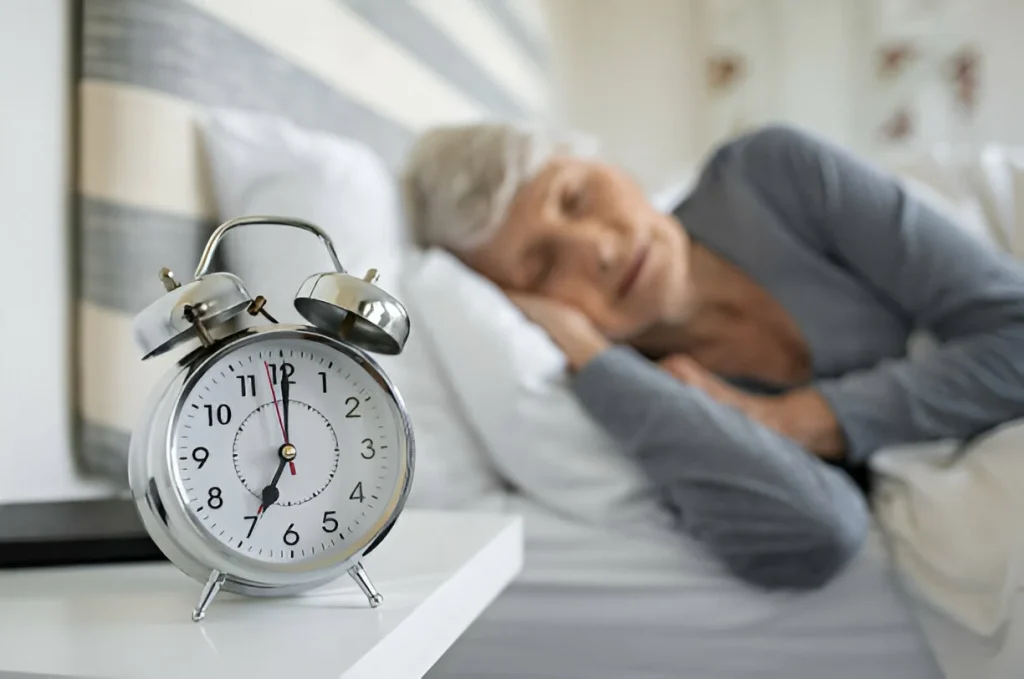
Sleep is a fundamental human need at every stage of life, including older adulthood. Getting enough quality sleep is essential for maintaining physical and mental health, while also improving overall quality of life. So, how much sleep do older adults need according to the World Health Organization (WHO)?
How Much Sleep Do Older Adults Need?
According to the WHO, adults aged 65 years and older should aim for 7–9 hours of sleep per day. This amount of sleep is generally considered sufficient to support healthy body function and overall well-being in older adults.
However, it’s important to remember that sleep needs vary from person to person. Factors such as medical conditions, lifestyle, medications, and individual health status can all influence how much sleep an older adult requires.
Signs That an Older Adult Is Getting Enough Sleep
Older adults are likely getting sufficient sleep if they:
- Wake up feeling refreshed and energized.
- Can carry out daily activities without excessive fatigue.
- Do not experience excessive daytime sleepiness.
- Fall asleep easily and sleep soundly.
- Do not wake up frequently during the night.
If an older adult consistently has trouble sleeping or shows signs of sleep deprivation, they should consult a healthcare professional for proper evaluation and treatment.
Benefits of Getting Enough Sleep for Older Adults
Adequate sleep offers many important health benefits, including:
Improved Cognitive Function
Quality sleep helps support memory, concentration, learning ability, and overall brain function.
Stronger Immune System
Sleep allows the body to repair itself and strengthens the immune system, helping protect against infections and illness.
Better Heart Health
Getting enough sleep may help lower the risk of high blood pressure, stroke, and cardiovascular disease.
Improved Mental Health
Adequate sleep can reduce the risk of depression, anxiety, mood swings, and emotional distress.
Better Overall Quality of Life
Well-rested older adults tend to feel more energetic, refreshed, emotionally balanced, and better able to enjoy daily life.
Common Sleep Disorders in Older Adults
Sleep is essential for healthy aging, yet many older adults experience sleep disorders that interfere with restful sleep and recovery. Below are some of the most common sleep-related conditions.
1. Insomnia
Insomnia is one of the most common sleep disorders among older adults. It is characterized by:
- Difficulty falling asleep.
- Frequent nighttime awakenings.
- Waking up too early.
- Feeling unrefreshed after sleeping.
As a result, individuals often experience daytime fatigue, reduced concentration, and low energy.
2. Sleep Apnea
Sleep apnea is a condition in which breathing repeatedly stops and starts during sleep. Common symptoms include:
- Loud snoring.
- Repeated pauses in breathing.
- Gasping or choking during sleep.
- Morning headaches.
- Excessive daytime sleepiness.
If left untreated, sleep apnea may increase the risk of serious health problems, including heart disease and stroke.
3. Restless Legs Syndrome (RLS)
Restless Legs Syndrome (RLS) causes uncomfortable sensations in the legs and an irresistible urge to move them, especially during periods of rest or at night. These symptoms often make it difficult to fall asleep and stay asleep.
4. Snoring
Snoring occurs when airflow causes the soft tissues in the throat to vibrate during sleep. While occasional snoring is common, persistent loud snoring may disrupt sleep for both the individual and their sleeping partner. It can also be a sign of obstructive sleep apnea.
5. Disrupted Circadian Rhythm
The circadian rhythm is the body’s internal clock that regulates the sleep-wake cycle. As people age, this rhythm may become disrupted, causing older adults to feel sleepy earlier in the evening, wake up very early in the morning, or experience difficulty maintaining a regular sleep schedule.
Health Risks of Sleep Deprivation in Older Adults
Not getting enough sleep can negatively affect many aspects of an older adult’s health, including:
- Persistent fatigue and lack of energy.
- Difficulty concentrating and remembering information.
- Mood changes, including depression and irritability.
- A weakened immune system.
- Increased risk of chronic diseases.
- Higher risk of falls, accidents, and injuries.
Conclusion
Maintaining healthy sleep habits is an important part of healthy aging. By getting 7–9 hours of quality sleep each day, older adults can support their physical health, protect their mental well-being, and enjoy a healthier, happier, and more active life.
If sleep problems become frequent or persistent, consult a healthcare professional or sleep specialist to identify the underlying cause and determine the most appropriate treatment.