
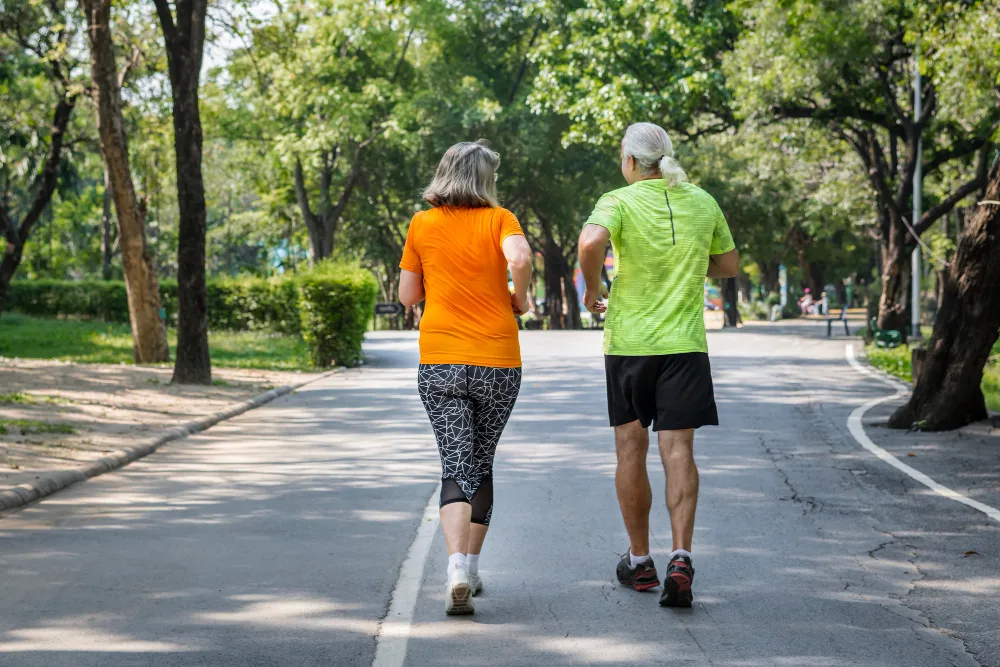
There are several ways to improve stamina in older adults, including gradually increasing physical activity, doing aerobic exercises, strength training, and practicing balance and flexibility exercises. In addition, protein intake, hydration, adequate rest, stress management, and essential nutrients such as vitamins B, C, and D should be considered based on each individual’s needs and health condition.
As people enter their senior years, their bodies may undergo changes that make everyday activities feel more exhausting. Loss of muscle mass, physical inactivity, an unbalanced diet, and insufficient sleep can all affect physical fitness and endurance.
However, these changes do not mean that older adults need to limit their activities. With the right habits and gradual adjustments, seniors can maintain their stamina and stay active in their daily lives.
Why Does Stamina Decrease in Older Adults?
Stamina refers to the body’s ability to perform activities over a certain period without becoming tired too quickly. As people age, muscle mass and strength may decline, making activities such as walking long distances, climbing stairs, or carrying objects feel more challenging.
A lack of physical activity can also make the body increasingly accustomed to a sedentary lifestyle. As a result, physical capacity may gradually decrease. Conversely, regular physical activity can help maintain bodily functions and support independence in older adults.
In addition to physical factors, inadequate nutrition, dehydration, poor sleep quality, and stress can also make seniors feel tired easily. If fatigue persists or is accompanied by other symptoms, they should consult a healthcare professional to identify the underlying cause.
Why Is Improving Stamina Important for Older Adults?
Maintaining stamina helps seniors perform everyday activities, such as walking around the house, shopping, cooking, and doing light household chores. Better physical fitness can also help older adults maintain their independence.
Regular physical activity includes aerobic exercise, muscle-strengthening activities, balance training, and flexibility exercises. Combining these activities can improve physical capabilities and help seniors remain active in their daily routines.
10 Ways to Improve Stamina in Older Adults
Several habits can help maintain and improve stamina in older adults. Choose activities based on their health conditions, mobility, and physical abilities.
1. Increase Physical Activity Gradually
Older adults who rarely exercise should avoid starting with strenuous workouts. Begin with light activities, such as walking around the house for a few minutes, stretching the arms and legs, or slowly standing up from and sitting down on a chair.
The duration of these activities can then be increased gradually according to individual abilities. For seniors who are already accustomed to physical activity, brisk walking, climbing stairs with assistance, or performing light household chores can become part of their daily routine.
2. Do Aerobic Exercises
Aerobic exercise helps improve the function of the heart, lungs, and circulatory system. Suitable activities for older adults include walking, using a stationary bicycle, senior fitness classes, swimming, and water aerobics.
Start with a comfortable duration and gradually increase the intensity. In general, adults aged 65 and older are encouraged to engage in at least 150 minutes of moderate-intensity aerobic activity per week, if their physical condition allows.
One simple way to assess exercise intensity is through the talk test. During moderate-intensity activity, breathing usually becomes faster, but seniors should still be able to hold a conversation. If they struggle to speak because they are too breathless, the intensity may be too high.
3. Add Strength Training
Strength training helps maintain the muscle strength needed for everyday activities. One example is the chair squat, which involves slowly sitting down on and standing up from a chair while maintaining controlled movements.
Other exercises include lifting lightweight water bottles, pulling resistance bands, and performing wall push-ups. Strength training can be done at least twice a week, depending on the individual’s abilities.
If seniors are not accustomed to strength training, they should start with light resistance and simple movements. Ensure proper posture and provide assistance when necessary, especially for those with balance difficulties.
4. Practice Balance and Flexibility Exercises
Balance and flexibility are important for helping older adults move more steadily. Simple exercises include standing while holding onto a chair, walking with heel-to-toe steps, or practicing standing up from a seated position.
For flexibility, perform gentle stretches targeting the shoulders, neck, arms, calves, and thighs. Movements should be performed slowly without forcing the joints or causing pain. Modified tai chi and yoga can also help improve balance and flexibility.
5. Eat Protein-Rich Foods
Protein is essential for maintaining and repairing muscle tissue. Adequate protein intake becomes increasingly important with age because muscle mass naturally tends to decrease.
Good sources of protein include fish, eggs, skinless chicken, lean meat, milk, tofu, tempeh, and legumes. Include protein in daily meals and combine it with vegetables, fruits, and carbohydrate sources to maintain a balanced diet.
6. Stay Properly Hydrated
Dehydration can make the body feel weak and low on energy. Older adults should drink water regularly throughout the day rather than relying solely on thirst as a signal to drink.
Water is a good primary choice for meeting daily fluid needs. However, individual hydration requirements may vary, particularly for seniors with certain medical conditions. Fluid intake should therefore follow recommendations from healthcare professionals.
7. Get Enough Rest
Sleep and rest allow the body to restore energy after physical activities. Seniors can maintain a healthy sleep routine by setting consistent bedtimes and wake-up times every day.
Create a comfortable sleeping environment, limit electronic device use before bedtime, and avoid consuming caffeinated beverages too close to bedtime. If seniors frequently experience sleep difficulties or continue to feel extremely tired despite getting enough rest, they should consult a doctor.
8. Manage Stress
Prolonged stress can make older adults feel tired more easily and reduce their motivation to stay active. Therefore, stress management is also an important part of maintaining stamina.
Encourage seniors to participate in enjoyable activities, such as reading, gardening, listening to music, talking with family members, or practicing breathing exercises. Enjoyable social activities can also help them stay connected with their surroundings.
9. Avoid Smoking and Limit Alcohol Consumption
Smoking can negatively affect lung health and the circulatory system, making physical activities feel more difficult. Quitting smoking is an important step toward maintaining overall health.
Alcohol consumption should also be avoided or limited according to individual health conditions. If seniors take certain medications, family members can consult a doctor about possible interactions between alcohol and their medications.
10. Take Multivitamins to Support Stamina
Vitamins and minerals do not directly function as stamina boosters. However, certain nutrients play important roles in energy metabolism and overall bodily functions. A deficiency in specific nutrients can cause fatigue, making proper nutritional intake important.
For example, vitamin B12 and folate play roles in red blood cell production, while vitamins C and D support various bodily functions. Minerals such as iron are also essential because they are needed to produce hemoglobin, which carries oxygen throughout the body.
Multivitamin requirements should be adjusted according to seniors’ diets and health conditions. Avoid giving high-dose supplements without medical advice, especially if older adults are taking medication or have specific medical conditions.
Improving stamina in older adults can start with simple habits, such as staying physically active, doing aerobic and strength exercises, and practicing balance and flexibility training. Activities should be increased gradually according to individual abilities.
In addition to physical activity, pay attention to protein intake, hydration, sleep quality, emotional well-being, and adequate vitamin and mineral consumption. If seniors experience persistent or worsening fatigue, family members should consult a healthcare professional to identify the underlying cause.
Frequently Asked Questions About Improving Stamina in Older Adults
1. What exercises are suitable for improving stamina in older adults?
Walking, light exercise, stationary cycling, swimming, and water aerobics are suitable options. Strength and balance training should also be included according to individual abilities to support physical fitness and bodily functions.
2. Can older adults who get tired easily still exercise?
Yes. Older adults can remain physically active by choosing exercises and intensity levels that match their physical condition. Start with light activities and gradually increase the intensity. If they have existing medical conditions, consult a doctor to determine the most appropriate exercises.
3. What vitamins can help reduce fatigue in older adults?
Vitamin B12, folate, vitamin C, and vitamin D perform various important functions in the body. However, vitamins are not direct stamina boosters. If fatigue is caused by a nutritional deficiency, a doctor can recommend appropriate tests and supplements.