
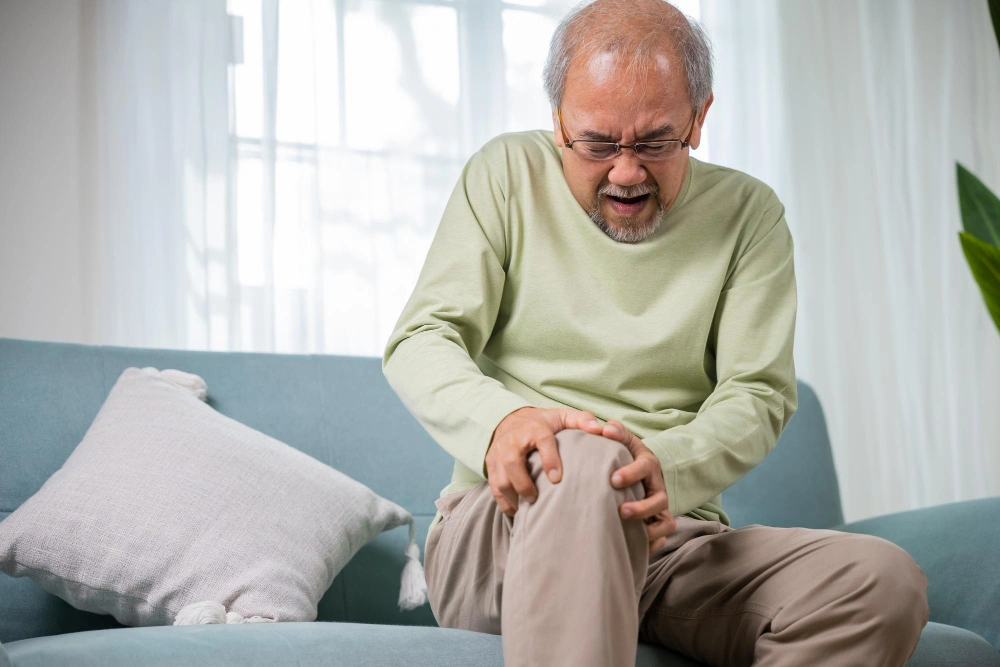
Managing knee pain in older adults involves a combination of adequate rest, appropriate therapy, and healthy lifestyle habits to help them remain active and comfortable. For seniors whose mobility has become limited due to knee pain, Parenty Adult Pants Heavy Flow can help provide lasting comfort, cleanliness, and confidence throughout the day.
How to Relieve Knee Pain in Older Adults and Stay Active
As people age, knee pain becomes one of the most common complaints among older adults. Besides causing discomfort, it can limit daily activities and significantly reduce overall quality of life.
For family members caring for elderly loved ones, understanding how to manage knee pain is essential. Proper treatment can help seniors remain active, independent, and comfortable while reducing unnecessary pain.
Why Is Knee Pain Common in Older Adults?
As we age, the knee joints naturally undergo wear and tear. Cartilage becomes thinner, joint lubrication decreases, and the muscles surrounding the knee gradually weaken. These changes make the knees more susceptible to pain during movement.
Years of repetitive stress on the knees also contribute to gradual joint damage. As a result, many older adults begin experiencing pain while walking, standing for long periods, or climbing stairs.
Related Reading: Osteoporosis vs. Osteoarthritis: What’s the Difference?
Symptoms of Knee Pain That Should Not Be Ignored
Knee pain in older adults does not always occur with the same intensity. Early symptoms may seem mild but can worsen over time if left untreated.
According to Alodokter, knee pain may be accompanied by stiffness, swelling, and reduced mobility. Recognizing these symptoms early can help prevent further limitations in daily activities.
1. Pain During Movement
Older adults may experience pain while walking, climbing stairs, standing up, or performing daily activities. The discomfort often becomes more noticeable after physical activity.
2. Knee Stiffness
Stiffness commonly occurs after sitting or lying down for extended periods, especially in the morning, making the knee difficult to move.
3. Swelling Around the Knee
The knee may appear swollen or feel warm to the touch, indicating inflammation that should be evaluated.
4. Clicking or Cracking Sounds
Some seniors notice clicking, popping, or cracking sounds when moving the knee, which may indicate joint degeneration.
Common Causes of Knee Pain in Older Adults
Knee pain can result from various conditions. Identifying the underlying cause helps determine the most appropriate treatment.
1. Osteoarthritis
Osteoarthritis is caused by the gradual breakdown of joint cartilage and is the most common cause of knee pain in older adults.
2. Previous Injuries
Old knee injuries may leave lasting damage that becomes more noticeable with age.
3. Excess Body Weight
Being overweight places additional pressure on the knee joints, accelerating cartilage wear and increasing pain.
4. Lack of Physical Activity
Weak muscles provide less support for the knee joint, making movement more difficult and increasing joint stress.
How to Relieve Knee Pain in Older Adults
Managing knee pain usually requires a gradual and comprehensive approach. The goal is to reduce pain while maintaining joint function.
1. Get Enough Rest
Allowing the knee adequate rest helps reduce strain. Avoid activities that may worsen the pain.
2. Apply Warm or Cold Compresses
Cold compresses help reduce swelling and inflammation, while warm compresses improve circulation and relieve joint stiffness.
3. Exercise Regularly
Low-impact exercises such as walking and gentle stretching help strengthen the muscles around the knee, providing better joint support.
4. Take Medications as Prescribed
Pain relievers may be recommended by a healthcare provider to help reduce discomfort. Always use medications according to medical advice.
5. Physical Therapy
Physical therapy helps improve knee strength, flexibility, and mobility through exercises tailored to the individual’s condition.
How to Prevent Knee Pain from Returning
Preventive care plays an important role in reducing recurring knee pain. Small daily habits can make a significant long-term difference.
1. Maintain a Healthy Weight
Keeping a healthy body weight reduces stress on the knee joints and helps preserve joint health.
2. Stay Physically Active
Regular light exercise keeps joints flexible and strengthens the muscles that support the knees.
3. Wear Supportive Footwear
Proper shoes provide better support and help reduce pressure on the knees while walking.
4. Avoid High-Risk Movements
Limit activities such as prolonged squatting, kneeling, or lifting heavy objects, as these can place excessive stress on the knee joints.
Related Reading: How to Treat Bone Calcification (Osteoarthritis) in Older Adults
Conclusion
Knee pain is a common condition among older adults, often resulting from age-related joint degeneration, osteoarthritis, or years of repetitive stress on the knees. With proper management—including adequate rest, warm or cold compresses, regular low-impact exercise, and physical therapy—many seniors can continue living active and comfortable lives.
When knee pain limits mobility or causes older adults to spend more time resting or in bed, maintaining comfort and hygiene becomes equally important. Parenty Adult Pants Heavy Flow provides practical protection with up to 12 hours of absorbency and a comfortable pants-style design, helping seniors stay dry, comfortable, and confident throughout the day.
FAQ
1. Can knee pain in older adults be completely cured?
Not always. However, with appropriate treatment and lifestyle changes, knee pain can often be effectively managed, allowing older adults to remain active.
2. When should knee pain be evaluated by a doctor?
Seek medical attention if the pain lasts for several days, is accompanied by significant swelling, or makes walking difficult.
3. Are joint supplements safe for older adults?
Joint supplements are generally safe when taken under a doctor’s guidance and may help support joint health.
4. Is massage therapy safe for knee pain?
Yes, but it should be performed by a qualified professional to avoid worsening joint problems.
5. Can assistive devices such as a cane help?
Yes. A cane or walking aid can reduce pressure on the knee joint and improve stability while walking.
6. Are Parenty tape-style adult diapers comfortable for seniors with sensitive skin?
Yes. Parenty products are made with soft materials designed to help reduce the risk of skin irritation.
7. Can Parenty adult diapers be worn for extended periods?
Yes. Their high absorbency helps keep the skin dry for longer, although regular changing is still recommended to maintain skin health and hygiene.