
Urination is an important process that helps the body remove waste and maintain fluid balance. However, some people may experience discomfort, difficulty urinating, or a feeling of incomplete bladder emptying due to various factors such as dehydration, lifestyle habits, or urinary tract issues.
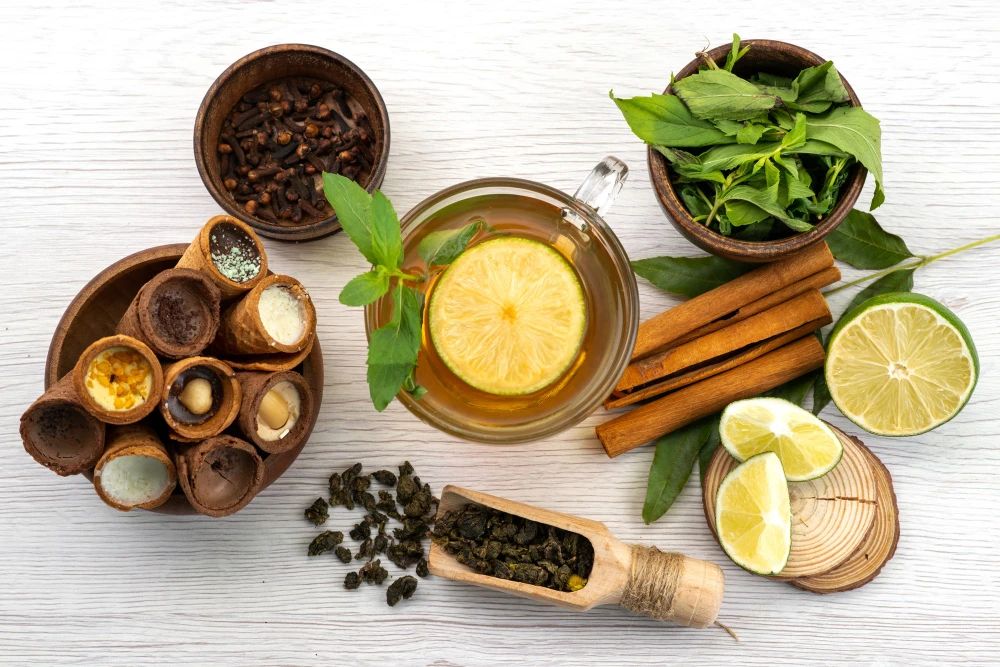
In traditional medicine, several types of leaves have been used as herbal remedies to support urinary health. These leaves are commonly prepared as boiled water and consumed as a natural drink. While some plants contain compounds that may support the body’s natural cleansing process, they should not replace medical treatment for urinary problems.
Here are some herbal leaves that are traditionally believed to help support smoother urination.
1. Betel Leaves (Piper betle)
Betel leaves have long been used in traditional remedies across Southeast Asia. They contain natural compounds with antioxidant properties that may help maintain overall body health.
Traditionally, boiled betel leaf water has been consumed to support urinary comfort and help maintain a healthy urinary system. However, more scientific research is needed to confirm its effectiveness specifically for improving urination.
2. Guava Leaves (Psidium guajava)
Guava leaves are commonly known for their traditional use in digestive health. They contain flavonoids and other plant compounds that have antioxidant activity.
Some people consume guava leaf tea as part of their wellness routine. Maintaining good hydration and a balanced lifestyle can also support normal kidney and bladder function.
3. Salam Leaves (Syzygium polyanthum)
Salam leaves are widely used as a cooking ingredient in Indonesian cuisine and are also used in traditional herbal preparations.
The leaves contain bioactive compounds that may contribute to general health benefits. Boiled salam leaf water is traditionally consumed by some communities to support the body’s natural elimination process.
4. Celery Leaves (Apium graveolens)
Celery leaves are often associated with natural diuretic properties. They contain high water content and plant compounds that may encourage the body to release excess fluids.
Celery leaf drinks are sometimes consumed to support healthy fluid balance. However, people with kidney conditions or those taking certain medications should consult a healthcare professional before using herbal diuretics regularly.
5. Pandan Leaves (Pandanus amaryllifolius)
Pandan leaves are popular for their pleasant aroma and are commonly used in beverages and traditional preparations.
Although pandan is not specifically proven as a urinary treatment, drinking herbal infusions made from natural ingredients may contribute to overall hydration when consumed appropriately.
6. Cat’s Whiskers Leaves (Orthosiphon aristatus)
Cat’s whiskers, also known as Java tea, is one of the most well-known traditional herbs associated with urinary health.
This plant has traditionally been used to support kidney and urinary tract function. Some studies suggest that compounds in cat’s whiskers may influence urine production, although further research is still needed.
7. Moringa Leaves (Moringa oleifera)
Moringa leaves are recognized for their nutritional content, including vitamins, minerals, and antioxidants.
While moringa is not a direct treatment for urinary problems, maintaining adequate nutrition and hydration can support overall organ function, including the kidneys.
How to Prepare Herbal Leaf Boiled Water
Preparing herbal leaf drinks is generally simple:
- Wash fresh leaves thoroughly under clean running water.
- Boil water and add the prepared leaves.
- Simmer for several minutes until the water absorbs the plant compounds.
- Strain the liquid before drinking.
Always ensure that the leaves are properly identified and clean before consumption.
Important Things to Consider Before Using Herbal Remedies
Although herbal drinks are popular in traditional practices, they are not a substitute for professional medical care. Urinary problems may sometimes indicate conditions that require proper diagnosis and treatment.
Seek medical advice if you experience:
- Pain or burning sensation during urination
- Blood in urine
- Frequent urination that affects daily activities
- Difficulty passing urine
- Lower abdominal or back pain
Conclusion
Several herbal leaves, including cat’s whiskers, celery, salam leaves, and moringa, have traditionally been used to support urinary health. These natural ingredients may complement a healthy lifestyle by supporting hydration and overall wellness.
However, maintaining proper water intake, practicing healthy habits, and consulting healthcare professionals when symptoms appear remain the most important steps for protecting urinary health.