
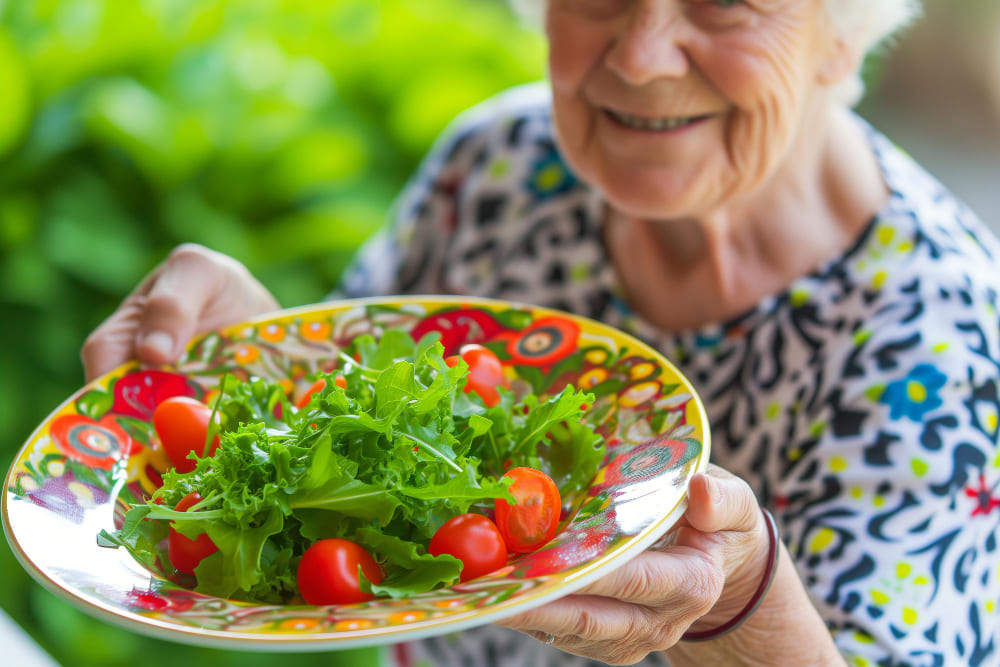
Proper nutrition plays a vital role in maintaining the health and quality of life of older adults. Although nutritional needs vary depending on factors such as overall health, physical activity, and lifestyle, there are several essential nutrients that every older adult should include in their daily diet.
Essential Nutrients Older Adults Need
Each individual has unique nutritional requirements based on their health status and personal circumstances. As people age, their metabolism naturally slows down and physical activity often decreases, reducing overall energy needs. Older adults are also at greater risk of dehydration due to a diminished sense of thirst and age-related changes in kidney function.
The following are seven key nutrients that are essential for healthy aging.
1. Protein
Protein is essential for older adults because it supports many important bodily functions. Adequate protein intake helps:
- Maintain muscle mass and strength
- Repair and build body tissues
- Support bone health
- Meet daily nutritional needs
- Promote healthy brain function
Consuming enough protein can also help reduce the risk of age-related muscle loss (sarcopenia).
2. Calcium
Calcium plays a crucial role in maintaining overall health, particularly bone strength. Its benefits include:
- Supporting strong and healthy bones
- Regulating muscle contractions
- Maintaining electrolyte balance
- Supporting normal heart function
- Assisting enzyme and hormone activity
- Supporting normal blood clotting
- Helping reduce the risk of certain chronic diseases
3. Vitamin D
Vitamin D is especially important for older adults because it works closely with calcium to maintain healthy bones. Additional benefits include:
- Improving calcium absorption
- Helping prevent osteomalacia (softening of the bones)
- Supporting immune system function
- Promoting heart health
- Supporting cognitive function and brain health
Regular sunlight exposure and vitamin D-rich foods can help maintain adequate levels, although supplementation may be recommended for some individuals.
4. Vitamin B12
Vitamin B12 is essential for many important bodily functions, including:
- Maintaining healthy nerve function
- Supporting the production of red blood cells
- Assisting energy metabolism
- Preserving cognitive function
- Supporting immune health
- Maintaining a healthy digestive system
Because vitamin B12 absorption decreases with age, older adults are at greater risk of deficiency.
5. Omega-3 Fatty Acids
Omega-3 fatty acids provide numerous health benefits for older adults, including:
- Supporting cardiovascular health
- Promoting brain health and cognitive function
- Reducing inflammation
- Maintaining eye health
- Supporting bone and skin health
- Improving mood and emotional well-being
Good dietary sources include fatty fish such as salmon, sardines, and mackerel.
6. Dietary Fiber
Fiber is an important nutrient that supports many aspects of healthy aging by helping to:
- Improve digestive health
- Support heart health
- Maintain a healthy body weight
- Regulate blood sugar levels
- Reduce the risk of colorectal disease
- Lower the risk of chronic illnesses
- Maintain a healthy gut microbiome
Older adults should consume plenty of fruits, vegetables, whole grains, and legumes to meet their daily fiber needs.
7. Antioxidants
Antioxidants help protect the body from oxidative stress, which naturally increases with age. Their benefits include:
- Protecting cells from free radical damage
- Supporting brain health
- Helping reduce the risk of heart disease
- Lowering the risk of certain cancers
- Maintaining healthy eyes and skin
- Strengthening the immune system
Foods rich in antioxidants include berries, leafy green vegetables, citrus fruits, nuts, and colorful vegetables.
Conclusion
Meeting the nutritional needs of older adults is essential for maintaining good health, preserving independence, and improving overall quality of life. A balanced daily diet that includes protein, calcium, vitamin D, vitamin B12, omega-3 fatty acids, dietary fiber, and antioxidants can help support healthy aging and reduce the risk of many age-related health conditions.
By ensuring these essential nutrients are included in everyday meals, older adults can enjoy better physical health, improved cognitive function, and a higher quality of life.