
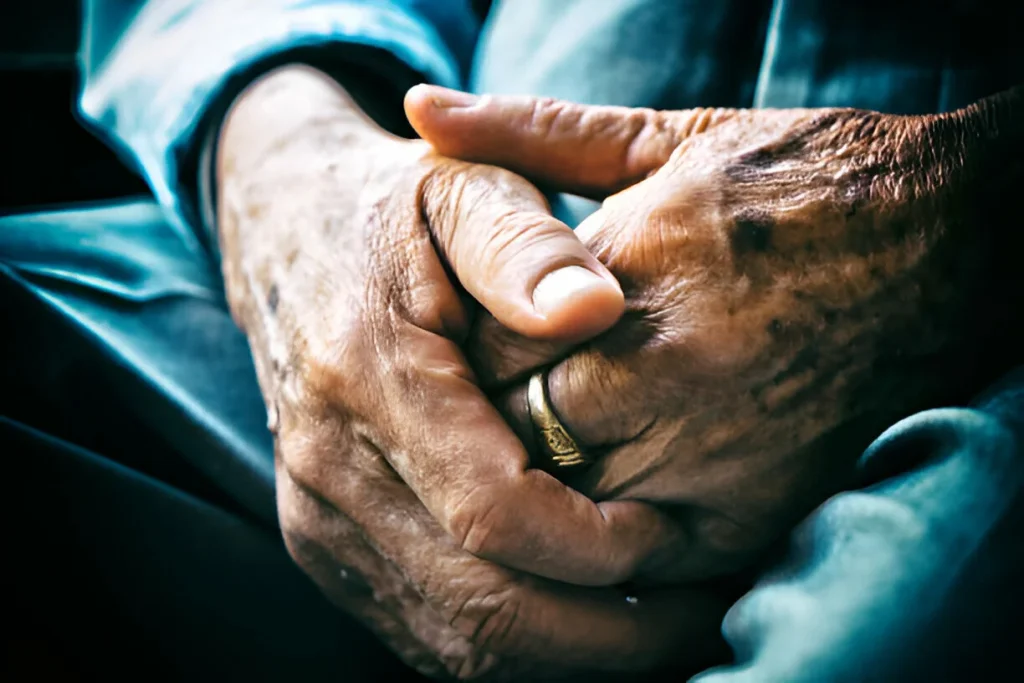
As people age, the body undergoes many changes, including changes to the skin. Older adults typically develop thinner, drier, and more fragile skin, making them more susceptible to various skin conditions. Understanding these common skin problems and how to prevent them can help seniors maintain healthier skin and improve their quality of life.
Common Skin Conditions in Older Adults
1. Dry Skin (Xerosis)
Dry skin, also known as xerosis, is one of the most common skin conditions among older adults. It is characterized by itching, flaking, scaling, and cracked skin. This occurs because the skin’s oil glands produce less natural oil as part of the aging process.
2. Eczema
Eczema is a skin condition that causes itching, redness, and inflammation. In older adults, eczema may be triggered by dry skin, allergies, environmental irritants, or emotional stress.
3. Atopic Dermatitis
Atopic dermatitis is a chronic inflammatory skin condition marked by persistent itching, redness, and irritated skin. It often recurs in older adults who had the condition during childhood.
4. Psoriasis
Psoriasis is an autoimmune disease that causes skin cells to build up rapidly, resulting in thick, red, scaly patches. In older adults, psoriasis commonly affects the scalp, elbows, knees, and lower back.
5. Skin Cancer
Skin cancer is the most serious skin condition that can affect older adults. The risk increases with prolonged exposure to ultraviolet (UV) radiation from the sun. The two most common types of skin cancer in seniors are basal cell carcinoma and squamous cell carcinoma.
6. Skin Infections
Skin infections in older adults may be caused by bacteria, fungi, or viruses. These infections commonly develop in areas where the skin is moist, damaged, or irritated.
7. Pressure Ulcers (Bedsores)
Pressure ulcers, also known as bedsores or pressure injuries, develop when prolonged pressure reduces blood flow to the skin. They commonly occur in older adults with limited mobility, particularly those who remain in bed or in a wheelchair for extended periods.
How to Help Prevent Skin Conditions in Older Adults
Although not every skin condition can be prevented, the following healthy habits can significantly reduce the risk.
1. Wear Sunscreen Every Day
Excessive sun exposure is one of the leading causes of skin damage and skin cancer. Older adults should apply a broad-spectrum sunscreen with SPF 30 or higher every day, even on cloudy days.
Choose a water-resistant sunscreen and apply it generously to all exposed skin 15 minutes before going outdoors. Reapply every two hours, or more frequently after swimming or excessive sweating.
2. Maintain Good Skin Hygiene
Bathe regularly using lukewarm water and a mild, fragrance-free cleanser to remove dirt, sweat, and bacteria. Avoid harsh soaps or products containing irritating chemicals, as they can worsen dry skin. Apply a moisturizer immediately after bathing to help lock in moisture.
3. Eat a Healthy Diet
A balanced diet rich in fruits, vegetables, whole grains, and lean protein provides essential nutrients that support healthy skin.
Vitamins A, C, and E act as antioxidants that help protect skin cells from free radical damage. Zinc and selenium also play important roles in maintaining healthy skin and promoting wound healing.
4. Stay Hydrated
Proper hydration is essential for healthy skin. Drinking at least eight glasses of water per day helps keep the skin hydrated, soft, and elastic. Dehydration can make the skin dry, cracked, and more prone to irritation.
5. Wear Skin-Protective Clothing
Choose loose-fitting, breathable clothing made from moisture-wicking fabrics to keep the skin cool and comfortable. Avoid tight-fitting or synthetic clothing that may trap heat and cause irritation. When outdoors, wear a wide-brimmed hat and UV-protective sunglasses to shield your skin from harmful sunlight.
6. Manage Stress
Stress can worsen several skin conditions, including eczema and psoriasis. Older adults should practice healthy stress management techniques such as meditation, yoga, deep breathing exercises, or spending quality time with family and friends.
7. Avoid Smoking and Excessive Alcohol Consumption
Smoking and excessive alcohol intake can accelerate skin aging, impair healing, and increase the risk of various skin conditions. Avoiding tobacco and limiting alcohol consumption can benefit both skin health and overall well-being.
8. Schedule Regular Skin Examinations
Check your skin regularly for changes such as new rashes, persistent redness, itching, unusual moles, or non-healing sores. If you notice any concerning changes, consult a healthcare professional or dermatologist promptly for evaluation and treatment.
Conclusion
Maintaining healthy skin is just as important as caring for any other part of the body during the aging process. By adopting healthy lifestyle habits and following preventive skincare measures, older adults can reduce their risk of common skin conditions and enjoy healthier, more comfortable skin throughout their later years.