
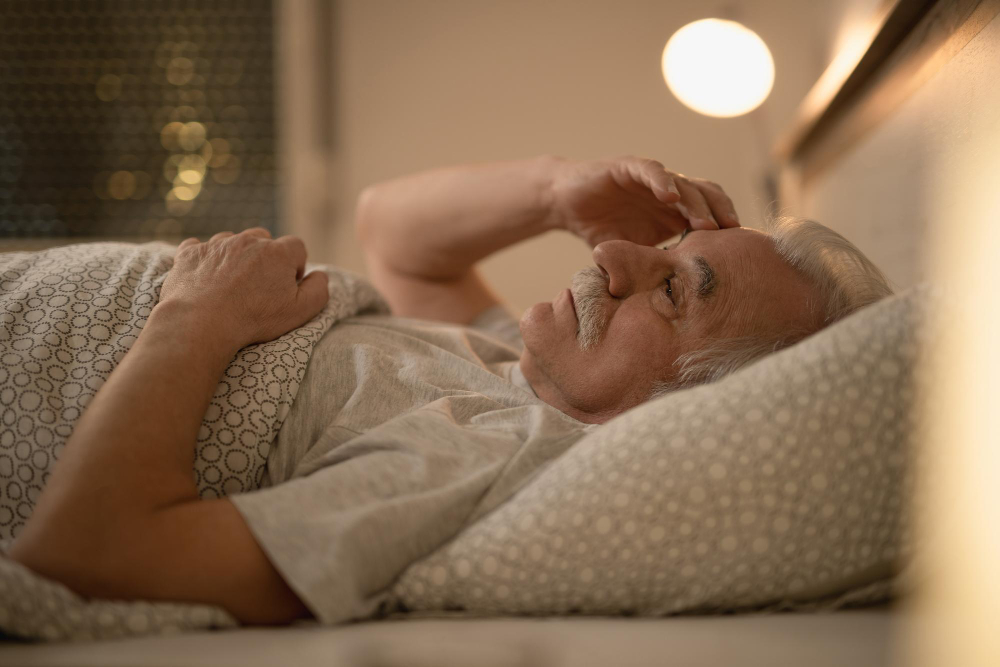
Sleep is essential for maintaining physical health, mental well-being, and overall quality of life. However, sleep disorders in older adults become increasingly common with age. Many seniors experience difficulty falling asleep, staying asleep, or waking up feeling refreshed.
If left untreated, poor sleep can contribute to fatigue, memory problems, mood changes, and a higher risk of chronic health conditions. Understanding the symptoms and causes of elderly sleep problems can help caregivers and families provide better support.
Why Do Older Adults Experience Sleep Disorders?
Older adults aged 60 years and above generally need 6.5 to 7 hours of sleep each night. However, the natural aging process affects the brain’s sleep-wake cycle (circadian rhythm), making it more difficult to maintain healthy sleep patterns.
As a result, many seniors experience lighter sleep, frequent awakenings, or excessive daytime sleepiness.
Common Symptoms of Sleep Disorders in Older Adults
Recognizing the signs of sleep disorders is the first step toward finding the right treatment.
1. Insomnia
Insomnia in older adults is one of the most common sleep disorders. Seniors may have difficulty falling asleep, wake up frequently during the night, or wake up too early and struggle to return to sleep.
2. Frequent Nighttime Awakenings
Many older adults wake up several times during the night, reducing the quality of their sleep and leaving them feeling tired the next day.
3. Excessive Daytime Sleepiness
Poor sleep at night often causes seniors to feel sleepy during the day. This can reduce concentration, increase the risk of falls, and interfere with daily activities.
4. Snoring
Snoring occurs when the muscles in the throat relax and partially block the airway during sleep. While occasional snoring may be harmless, persistent snoring can sometimes indicate a more serious sleep disorder.
5. Sleep Apnea
Sleep apnea in seniors causes repeated pauses in breathing during sleep. These interruptions reduce oxygen levels, disrupt sleep quality, and may increase the risk of high blood pressure, heart disease, and stroke if left untreated.
Additional Signs of Sleep Disorders
Besides the five conditions above, older adults may also experience:
- Restlessness during sleep
- Anxiety or agitation while sleeping
- Sleepwalking (although less common)
- Confusion immediately after waking up
- Difficulty concentrating due to poor sleep quality
How to Improve Sleep in Older Adults
Fortunately, many sleep disorders can be managed with healthy lifestyle habits and appropriate medical care.
Maintain Good Sleep Hygiene
Create a comfortable sleeping environment by using a supportive mattress, keeping the bedroom dark and quiet, and maintaining a cool, comfortable room temperature.
Exercise Regularly
Regular physical activity during the morning or afternoon helps improve sleep quality. Avoid vigorous exercise close to bedtime, as it may make it harder to fall asleep.
Limit Caffeine and Alcohol
Reducing caffeine and alcohol intake, especially in the afternoon and evening, can help seniors sleep better.
Practice Relaxation Techniques
Meditation, deep breathing exercises, gentle stretching, or yoga before bedtime can relax both the mind and body, making it easier to fall asleep.
Consider Cognitive Behavioral Therapy (CBT)
Cognitive Behavioral Therapy for Insomnia (CBT-I) is one of the most effective non-medication treatments for chronic insomnia. It helps identify and change unhealthy thoughts and behaviors that interfere with sleep.
Consult a Healthcare Professional
If sleep problems continue despite lifestyle changes, consult a healthcare provider. Persistent sleep disorders may be linked to underlying medical conditions that require proper diagnosis and treatment.
Helping Older Adults Sleep More Comfortably
Quality sleep is essential for maintaining energy, supporting brain function, and improving overall health in later life. By recognizing the symptoms of sleep disorders in older adults and adopting healthy sleep habits, seniors can enjoy more restful nights and better quality of life.
For seniors experiencing nighttime urinary incontinence, using comfortable and highly absorbent adult diapers can help reduce sleep interruptions caused by frequent bathroom visits. Parenty Adult Diapers are designed to provide reliable overnight protection, helping older adults stay dry and sleep more comfortably throughout the night.