
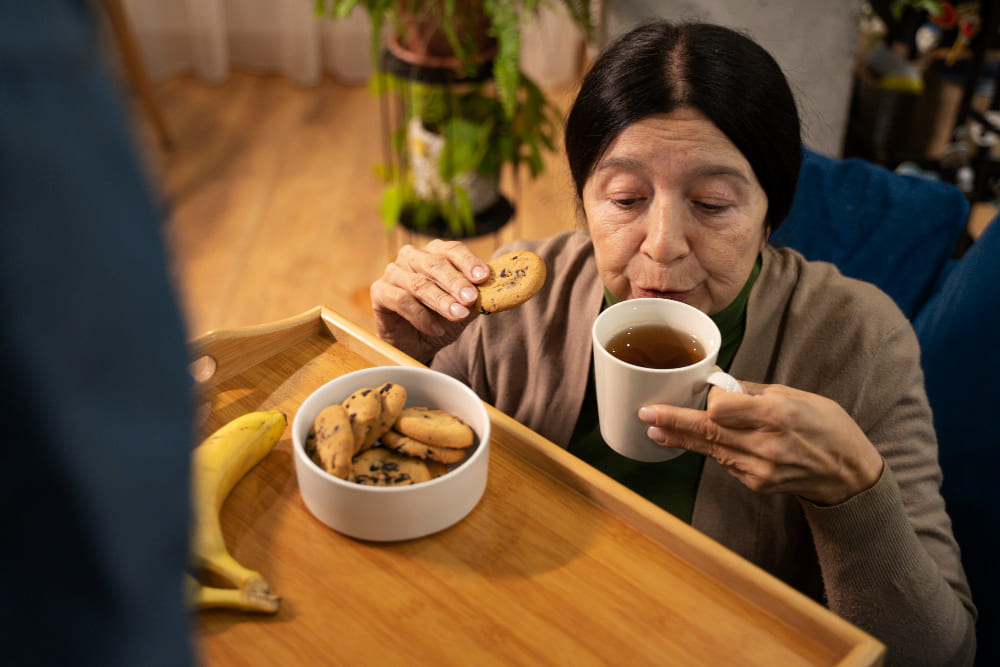
Ramadan fasting offers many spiritual and potential health benefits. However, older adults are among the groups who may be exempt from fasting if doing so could harm their health. Whether fasting is safe depends on each person’s medical condition, nutritional status, and overall physical ability.
So, can older adults fast during Ramadan, and what are the possible health benefits? Here’s what you should know.
Can Older Adults Fast Safely During Ramadan?
The safety of fasting varies from person to person. Many healthy seniors can fast safely, while others with chronic medical conditions may need medical advice before fasting.
Older adults should consider several factors before deciding to fast, including:
- Their overall health condition
- Physical strength and mobility
- Cognitive function
- Current medications
- Support from family or caregivers
Seniors with conditions such as diabetes, heart disease, kidney disease, digestive disorders, or uncontrolled high blood pressure should consult their healthcare provider before fasting.
Some medications must be taken with food or at specific times, which may require adjustments during Ramadan. A healthcare professional can help determine whether fasting is appropriate and how to do it safely.
5 Health Benefits of Ramadan Fasting for Older Adults
When practiced safely and under appropriate medical guidance, Ramadan fasting may provide several health benefits for older adults.
1. May Support Heart Health
Research suggests that healthy fasting habits may contribute to better cardiovascular health by helping improve:
- Blood pressure
- Cholesterol levels
- Body weight
- Blood sugar control
A balanced Ramadan diet that limits processed foods and saturated fats further supports heart health.
2. May Improve Blood Sugar Regulation
For some individuals, fasting may improve insulin sensitivity and help regulate blood glucose levels.
However, older adults with diabetes should never fast without consulting their doctor, as fasting can increase the risk of both low and high blood sugar depending on medications and overall health.
3. May Help Support Brain Health
Some studies suggest that intermittent fasting may have positive effects on brain function by reducing inflammation and supporting healthy brain cells.
While more research is needed, maintaining healthy lifestyle habits—including balanced nutrition, exercise, and adequate sleep—remains essential for preserving cognitive health as we age.
4. May Promote Healthy Weight Management
For overweight older adults, fasting combined with healthy eating habits may help reduce excess body weight.
Maintaining a healthy weight can improve:
- Mobility
- Joint health
- Energy levels
- Overall quality of life
It is important to avoid overeating during iftar and suhoor to achieve these benefits.
5. May Support Immune Function
Healthy lifestyle habits during Ramadan—including nutritious meals, adequate sleep, proper hydration during non-fasting hours, and moderate physical activity—may help support normal immune function.
Although fasting alone is not a guarantee of stronger immunity, it can be part of an overall healthy lifestyle for suitable individuals.
Tips for Older Adults Who Want to Fast
To fast more safely during Ramadan, older adults should:
- Drink enough water between iftar and suhoor.
- Eat balanced meals rich in protein, fiber, and healthy fats.
- Avoid excessive sugary or salty foods.
- Get enough rest.
- Monitor for signs of dehydration or low blood sugar.
- Break the fast immediately if they feel dizzy, confused, faint, or unwell.
- Follow their healthcare provider’s advice regarding medications.
When Should an Older Adult Avoid Fasting?
Older adults should seek medical advice before fasting if they have:
- Uncontrolled diabetes
- Advanced kidney disease
- Severe heart disease
- Frequent dehydration
- Frailty or unintended weight loss
- Acute illness
Islam provides exemptions for individuals whose health could be harmed by fasting, emphasizing the importance of protecting one’s well-being.
Final Thoughts
The benefits of Ramadan fasting for older adults may include improved heart health, better blood sugar regulation, support for healthy weight management, and potential benefits for brain and immune health. However, these benefits depend on the individual’s overall health and should always be balanced against potential risks.
Before fasting, older adults with chronic medical conditions should consult a healthcare professional to ensure Ramadan fasting can be practiced safely.
For seniors managing urinary incontinence during Ramadan, comfort is equally important. Parenty Adult Diapers provide high absorbency, leak protection, and soft, skin-friendly materials to help older adults stay dry, comfortable, and confident throughout the holy month.