
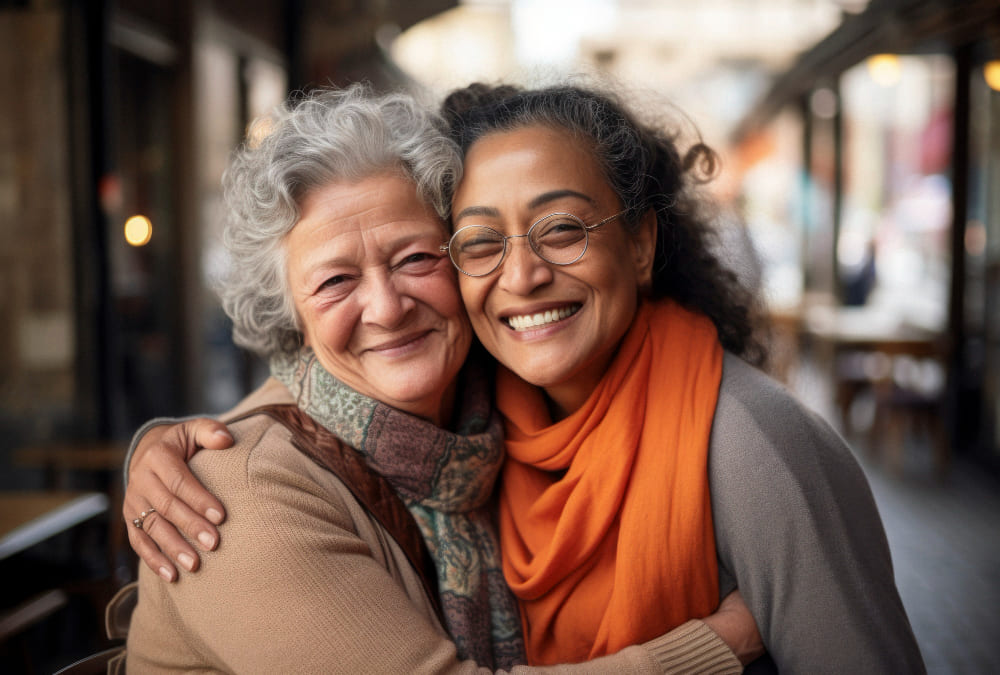
Every person is unique, and this individuality becomes even more evident as people age. Older adults develop distinct personalities shaped by their life experiences, health, and environment. Understanding these personality types can help family members and caregivers provide more appropriate and compassionate care.
Before exploring the different personality types, it’s important to understand the factors that influence personality in older adults.
Factors That Influence Personality in Older Adults
An older adult’s personality is shaped by a combination of genetics, life experiences, health conditions, and social environment. These factors interact throughout life and continue to influence behavior and emotional well-being in later years.
1. Genetics
Genetics plays an important role in shaping personality traits throughout life. Certain characteristics, such as extroversion, emotional sensitivity (neuroticism), and aspects of intelligence, may have a genetic component.
Although genes do not completely determine personality, they provide the foundation upon which life experiences build, influencing personality well into old age.
2. Life Experiences
Life experiences have a significant impact on personality development. Both positive and negative experiences help shape an individual’s attitudes, values, habits, and coping mechanisms.
A lifetime of diverse experiences influences how older adults respond to challenges, relationships, and social interactions.
3. Health Conditions
Physical and mental health strongly affect personality and behavior in older adults. Chronic illnesses, cognitive decline, depression, anxiety, and other health conditions may influence their thoughts, emotions, and daily interactions.
Conversely, older adults who maintain good physical and mental health often display a more positive outlook and remain socially engaged.
4. Social Environment
Relationships with family, friends, caregivers, and the community play a vital role in shaping emotional well-being.
Positive social interactions, emotional support, and participation in community activities can improve mental health and life satisfaction. On the other hand, social isolation or ongoing interpersonal conflict may contribute to stress, loneliness, and personality changes.
Overall, personality in older adults is the result of a complex interaction between these factors. Understanding them allows caregivers and family members to provide more personalized support and promote healthy aging.
Common Personality Types in Older Adults
While every older adult has a unique personality, several personality patterns are commonly observed in later life.
1. Constructive Personality
Older adults with a constructive personality generally maintain a positive and proactive attitude toward aging. They tend to:
- Stay physically and socially active
- Maintain hobbies and personal interests
- Remain open to learning new things
- Adapt well to life changes
- Approach challenges with optimism
These individuals are often resilient and enjoy a high quality of life.
2. Independent Personality
Older adults with an independent personality prefer to solve problems and manage daily life on their own. They often:
- Value self-reliance
- Make their own decisions whenever possible
- Maintain independence in daily activities
- Appreciate having control over their routines
Caregivers should respect their independence while offering assistance only when needed.
3. Dependent Personality
Some older adults become more dependent on family members or caregivers for physical, emotional, or financial support. They may require assistance with:
- Daily living activities
- Personal care
- Emotional reassurance
- Decision-making
- Mobility and transportation
Providing patient and respectful support can help them maintain dignity and confidence.
4. Hostile Personality
Older adults with a hostile personality may appear suspicious, defensive, or easily irritated. They may:
- Be reluctant to accept help
- Frequently disagree with others
- Display anger or frustration
- Avoid social interaction
- Distrust caregivers or family members
Responding with patience, empathy, and consistent communication can help reduce conflict and build trust over time.
5. Self-Hating Personality
Some older adults develop a self-hating or highly self-critical personality. They may:
- Have low self-esteem
- Feel worthless or like a burden
- Lack confidence
- Focus on their perceived failures or limitations
These feelings may be associated with depression, chronic illness, or difficult life experiences. Emotional support and, when appropriate, professional mental health care can be extremely beneficial.
How to Care for Older Adults with Different Personality Types
Every personality type requires a different caregiving approach. Some general recommendations include:
- Listen with empathy and avoid being judgmental.
- Respect the older adult’s independence whenever possible.
- Encourage participation in meaningful activities and hobbies.
- Maintain regular social interaction with family and friends.
- Provide emotional reassurance during times of stress or illness.
- Seek professional medical or psychological support if significant behavioral or emotional changes occur.
Conclusion
Every older adult has a unique personality shaped by genetics, life experiences, health, and social relationships. Understanding these personality differences enables caregivers and family members to provide more compassionate, personalized, and effective care.
By recognizing each individual’s emotional and psychological needs, families can help older adults maintain their dignity, independence, and overall quality of life throughout the aging process.