
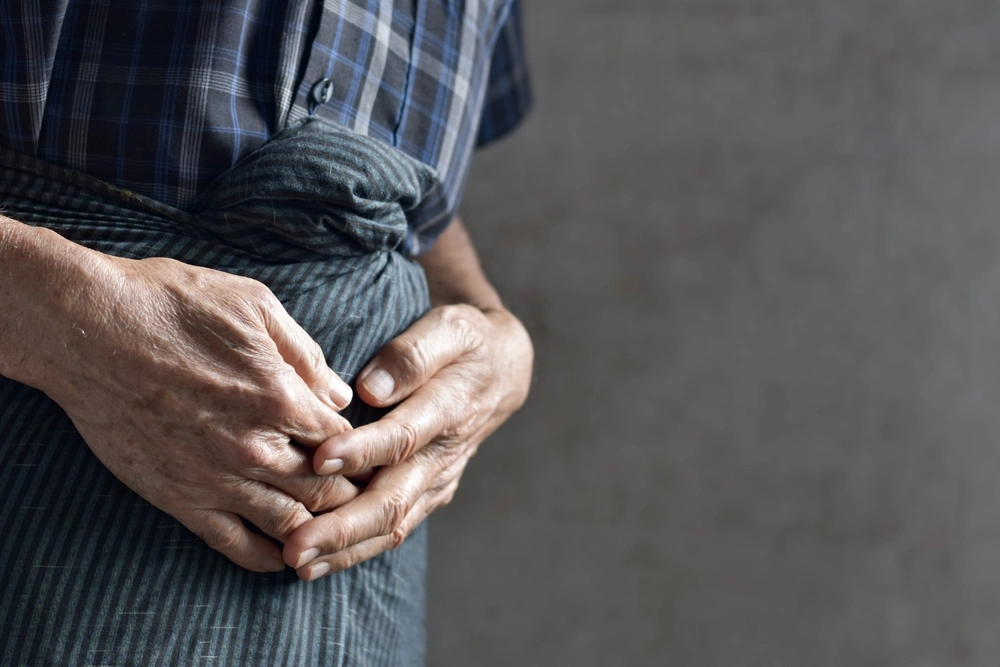
Bladder distension is a condition in which the bladder becomes overstretched because urine is retained and cannot be emptied completely. Parenty Soft Adult Pull-Up Diapers help keep older adults comfortable and clean while managing urinary problems.
Causes of Bladder Distension: Learn the Causes and How to Treat It
Causes of Bladder Distension
As we age, the body undergoes many changes, including changes to the urinary system. One condition that commonly affects older adults is bladder distension, which occurs when the bladder becomes excessively stretched because urine remains trapped for too long.
For families caring for elderly loved ones, understanding this condition is essential. Proper treatment not only relieves discomfort but also helps prevent complications such as urinary tract infections (UTIs) and impaired kidney function.
What Is Bladder Distension?
Bladder distension is more than simply having difficulty urinating. It occurs when the bladder is full, but urine cannot be emptied completely. As a result, the bladder wall continues to stretch, causing a feeling of fullness or tightness in the lower abdomen.
In older adults, the bladder muscles may lose strength over time. This makes it less effective at emptying urine than it was at a younger age. The condition is often associated with urinary retention, in which the bladder cannot be completely emptied.
When urine remains in the bladder for too long, pressure inside the bladder increases. Over time, this can lead to infections and other serious health complications.
Symptoms of Bladder Distension to Watch For
In older adults, symptoms may not always be obvious. Even subtle changes in urination habits should not be ignored.
1. Fullness or Pain in the Lower Abdomen
Older adults may experience tightness, fullness, or discomfort in the lower abdomen because the bladder is overly full but cannot be emptied properly.
2. Difficulty Urinating
There is an urge to urinate, but only a small amount of urine comes out, or the urine flow is weak or interrupted. Even afterward, there is still a sensation that the bladder has not emptied completely.
3. Irregular Urination Frequency
Some seniors may need to visit the bathroom more often, yet only pass a very small amount of urine each time. This pattern may indicate poor bladder emptying.
4. Unintentional Urine Dribbling
Excess pressure inside the bladder can cause urine to leak or dribble unexpectedly. This is often mistaken for ordinary urinary incontinence, but it may actually be a sign of bladder distension.
Causes of Bladder Distension in Older Adults
The underlying cause can vary from person to person. Identifying the cause helps determine the most appropriate treatment.
1. Enlarged Prostate
In older men, an enlarged prostate can compress the urethra, restricting urine flow and preventing the bladder from emptying completely.
2. Nerve Disorders
Conditions such as diabetes or stroke can damage the nerves that control bladder function. As communication between the brain and bladder becomes impaired, urination becomes more difficult.
3. Medication Side Effects
Certain medications may reduce the bladder muscles’ ability to contract effectively. If an older adult takes prescription medications regularly, consult a healthcare provider about possible urinary side effects.
4. Habitually Holding Urine
Frequently delaying urination can worsen bladder function. In older adults, this habit may increase the risk of recurring bladder distension.
How to Treat Bladder Distension
Treatment depends on the underlying cause. A medical evaluation is necessary to confirm the diagnosis and determine the most effective treatment.
1. Catheterization
In some cases, a doctor may insert a urinary catheter to drain retained urine. This immediately relieves pressure inside the bladder.
2. Treating the Underlying Cause
If bladder distension is caused by an enlarged prostate or a neurological condition, treatment will focus on managing those conditions. Early intervention helps reduce the risk of complications.
3. Bladder Training
Bladder training exercises can help improve bladder control and urinary function. Family support is valuable in helping older adults follow the program consistently.
When Should You See a Doctor Immediately?
Seek medical attention without delay if any of the following occur:
- Inability to urinate at all, accompanied by severe pain.
- Fever, painful urination, or blood in the urine.
These symptoms may indicate an infection or another medical emergency requiring prompt evaluation.
How to Prevent Recurring Bladder Problems
Daily care plays an important role in maintaining urinary health in older adults.
1. Stay Well Hydrated
Drinking enough fluids helps support kidney function and promotes healthy urine flow.
2. Follow a Regular Bathroom Schedule
Encouraging regular bathroom visits helps prevent the bladder from becoming overly full, especially for seniors with nerve-related conditions.
3. Maintain Good Intimate Hygiene
Proper hygiene reduces the risk of urinary tract infections. Choose gentle, comfortable products that help older adults stay clean and confident throughout the day.
Support Comfort with Parenty Soft Adult Pull-Up Diapers
Bladder distension is a condition that deserves careful attention, particularly in older adults. Symptoms such as lower abdominal fullness, difficulty urinating, and urine leakage should never be ignored. During these situations, Parenty Soft Adult Pull-Up Diapers provide practical, reliable protection.
Parenty is an adult care brand specially designed with soft materials, high absorbency, and a comfortable fit to help minimize leaks. The product not only enhances comfort for older adults but also makes daily caregiving easier for families.
Give your loved ones the care and protection they deserve by choosing Parenty as part of their daily routine. With the right support, they can enjoy greater comfort and dignity every day.
Frequently Asked Questions
Can bladder distension be completely cured?
Yes, depending on the underlying cause. If the cause is identified and treated early, bladder function may gradually improve.
Does bladder distension always cause pain?
Not necessarily. Some older adults may experience bladder distension without pain, particularly if nerve damage is involved.
Are older adults with diabetes at higher risk of bladder distension?
Yes. Diabetes can damage the nerves that control bladder function, making it more difficult to empty the bladder completely.
Can bladder distension lead to kidney problems?
Yes. If left untreated, increased pressure within the urinary system can affect kidney function and increase the risk of complications.
Does diet affect bladder health?
Yes. A balanced diet and adequate fluid intake help maintain urinary tract health, although they do not directly cure bladder distension.
Are Parenty Soft Adult Pull-Up Diapers safe for sensitive skin?
Yes. Parenty Soft Adult Pull-Up Diapers are made with soft, skin-friendly materials that help minimize the risk of irritation when used as directed.
Can Parenty adult pull-up diapers be worn for extended periods?
Yes. With high absorbency and good airflow, they are designed to help keep the skin dry and comfortable for longer periods.
You have not enough Humanizer words left. Upgrade your Surfer plan.