
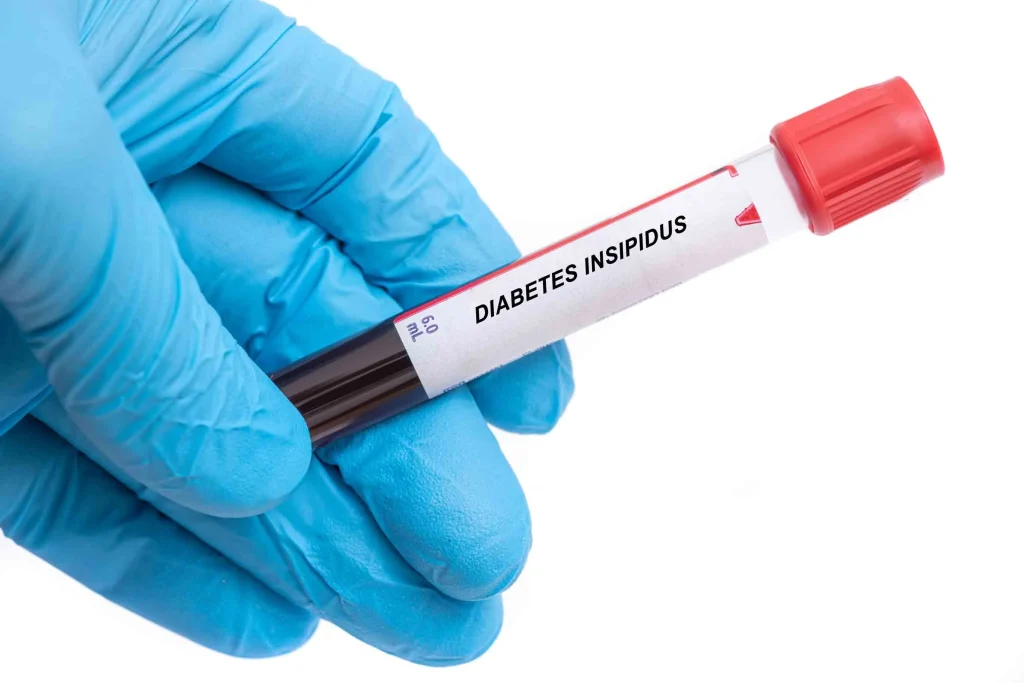
Changes in urination patterns and excessive thirst in older adults are often dismissed as a normal part of aging. However, these symptoms may indicate a disruption in the body’s fluid balance, known as diabetes insipidus.
If these symptoms persist, they can interfere with sleep quality and daily activities. Recognizing these subtle changes early can help ensure timely diagnosis and treatment.
What Is Diabetes Insipidus?
Diabetes insipidus is a condition in which the body is unable to properly regulate its fluid balance. Unlike diabetes mellitus, it is not related to blood sugar levels. In older adults, it is commonly characterized by excessive urination and persistent thirst.
The condition occurs when the body does not produce enough antidiuretic hormone (ADH) or when the kidneys do not respond to the hormone properly. As a result, large amounts of diluted urine are produced. Without proper management, diabetes insipidus can affect comfort and significantly reduce an older adult’s quality of life.
Causes of Diabetes Insipidus
Understanding the underlying cause helps determine the most appropriate treatment. Diabetes insipidus is generally classified into several types based on the affected part of the body.
1. Central Diabetes Insipidus
This type occurs when the hypothalamus or pituitary gland is damaged. It may result from head injuries, brain tumors, infections, or brain surgery. As a result, ADH production decreases, making it difficult for the body to regulate urine output.
2. Nephrogenic Diabetes Insipidus
In this type, the kidneys do not respond properly to ADH. It may be caused by chronic kidney disease, certain medications, or inherited genetic conditions. Older adults with kidney disorders are at greater risk of developing this form of diabetes insipidus.
3. Dipsogenic Diabetes Insipidus
This type is associated with abnormalities in the brain’s thirst center. People with this condition experience excessive thirst and consume unusually large amounts of fluids. The increased fluid intake leads to excessive urine production.
Symptoms of Diabetes Insipidus
The hallmark symptom of diabetes insipidus is producing unusually large amounts of urine repeatedly throughout the day. In older adults, this is often mistaken for a normal consequence of aging. However, when frequent urination is accompanied by persistent thirst, further medical evaluation is necessary.
Excessive thirst often continues throughout the night, disrupting sleep. Older adults may have to make repeated trips to the bathroom, increasing fatigue and the risk of falls while walking in the dark or while drowsy.
Other symptoms include weakness, dehydration, dry mouth, and low blood pressure. If left untreated, fluid imbalance can affect overall health and make daily activities increasingly difficult.
Treatment for Diabetes Insipidus
Treatment depends on the type and underlying cause of the condition. A thorough medical evaluation is essential to ensure the most appropriate treatment plan.
For central diabetes insipidus, doctors typically prescribe medications that replace or mimic ADH to help regulate urine production.
For nephrogenic diabetes insipidus, treatment focuses on managing kidney disease and adjusting medications that may contribute to the condition. A low-sodium diet may also help reduce the kidneys’ workload.
Potential Complications of Diabetes Insipidus
Without proper treatment, diabetes insipidus can lead to electrolyte imbalances. Abnormal sodium levels in the blood may cause confusion, seizures, or even decreased consciousness in older adults.
Frequent urination can also increase the risk of skin irritation and chronic sleep disruption. Over time, these problems may weaken the immune system and significantly reduce quality of life.
Preventing and Managing Diabetes Insipidus
Although not all cases can be prevented, the risk of complications can be reduced through regular medical monitoring. Routine health checkups help detect hormone or kidney function problems at an early stage.
It is also important to maintain adequate fluid intake according to your doctor’s recommendations. Keeping a record of daily fluid consumption and urine output can help monitor the condition and maintain proper fluid balance.
Conclusion
Diabetes insipidus is caused by problems with the production of antidiuretic hormone (ADH) or the kidneys’ ability to respond to it. This condition causes older adults to urinate more frequently, which may disrupt sleep, increase the risk of dehydration, and raise the likelihood of falls due to frequent nighttime trips to the bathroom.
Because urinary frequency can increase significantly, extra protection during both rest and daily activities is essential. Parenty is an adult care brand designed with soft materials and high absorbency to help keep the skin dry while minimizing the risk of leaks, allowing older adults to feel more secure and comfortable.
With reliable protection, older adults can rest more peacefully without worrying about accidents. Support their daily care routine with Parenty Adult Pants Soft to help maintain their comfort and confidence every day.
Frequently Asked Questions
Is diabetes insipidus an inherited condition?
Some forms, particularly nephrogenic diabetes insipidus, can be inherited. However, many cases result from medical conditions such as kidney disease or injuries affecting specific areas of the brain.
Can diabetes insipidus be completely cured?
It depends on the underlying cause. If the condition is triggered by a temporary factor, such as medication side effects, symptoms may improve once the cause is properly addressed.
Does diabetes insipidus affect body weight in older adults?
Yes. Weight loss may occur if dehydration persists for an extended period. Monitoring fluid intake and overall health is therefore an important part of treatment.
Should people with diabetes insipidus limit physical activity?
Physical activity is generally encouraged as long as the condition is stable. However, adequate fluid intake is essential to minimize the risk of dehydration during exercise or other activities.
When should an older adult see a doctor immediately?
Seek medical attention immediately if severe dehydration, confusion, extreme weakness, or changes in consciousness occur. These symptoms require prompt medical treatment.
Do Parenty products leak easily when used overnight?
Parenty products are designed with high absorbency and a secure fit to help minimize leaks. However, regular changing is still recommended based on individual needs.
Do Parenty products provide good airflow for the skin?
Yes. The materials are designed to remain comfortable while promoting airflow and helping keep the skin dry, reducing the risk of irritation.