
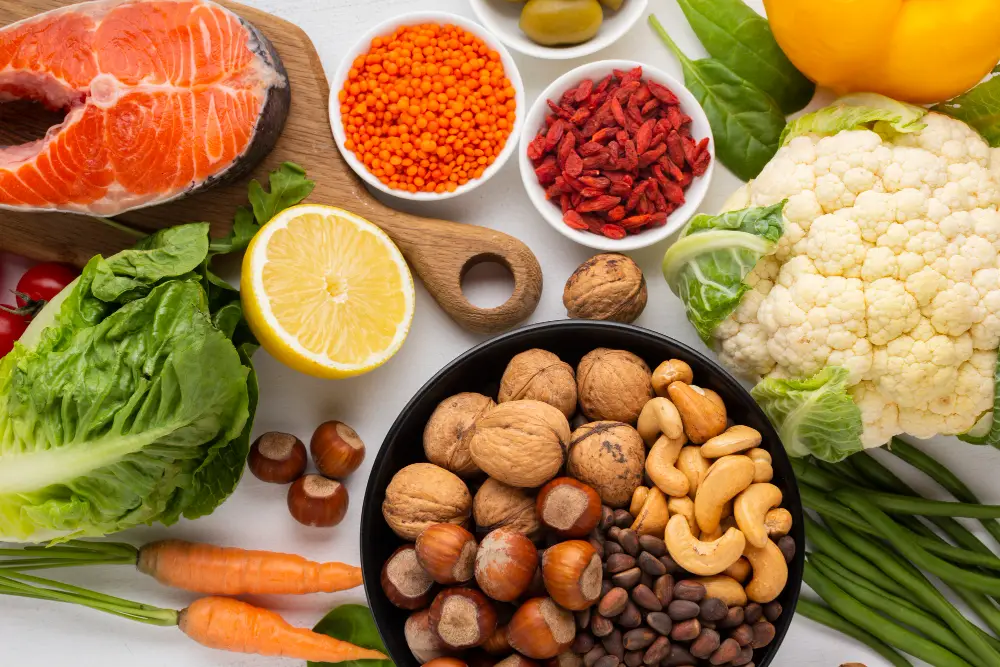
Foods that support bone and joint health include chia seeds, salmon, oatmeal, sardines, olive oil, walnuts, turmeric, soybeans, tofu, spinach, broccoli, and almonds. These foods provide nutrients such as calcium, vitamin D, vitamin K, magnesium, and omega-3 fatty acids, each of which plays a different role in maintaining bone health and supporting overall bodily functions.
Maintaining healthy bones and joints is important for keeping the body comfortable and mobile during everyday activities, especially as we age. One way to support bone and joint health is by meeting nutritional needs through a varied diet.
No single food can strengthen bones and joints instantly. However, a combination of foods containing calcium, vitamin D, vitamin K, magnesium, and healthy fats can help support bone health and overall bodily functions.
Read Also: Heart-Healthy Foods and Meal Ideas
Essential Nutrients for Healthy Bones and Joints
Bones are living tissues that continuously undergo a process of formation and breakdown throughout life. To support this process, the body needs various nutrients that work together, not just calcium.
1. Calcium
Calcium is the primary mineral needed to build and maintain strong bones. Long-term calcium deficiency can contribute to reduced bone strength and increase the risk of osteoporosis, especially in older adults.
Calcium can be obtained from various foods, including sardines with edible bones, tofu made with calcium sulfate, soybeans, chia seeds, and certain green vegetables.
2. Vitamin D
Vitamin D helps the body absorb calcium in the intestines and maintain the calcium and phosphate levels needed for bone mineralization. Vitamin D deficiency can cause bones to become thinner, more fragile, or inadequately mineralized.
Some food sources of vitamin D include fatty fish such as salmon and fortified food products. Sunlight exposure also helps the body produce vitamin D, although individual needs may vary.
3. Vitamin K
Vitamin K plays a role in producing proteins involved in bone metabolism. Green vegetables such as spinach and broccoli are examples of foods that provide vitamin K as part of a daily diet.
However, people taking blood-thinning medications such as warfarin need to monitor changes in their vitamin K intake and should discuss them with their doctor.
4. Magnesium
Magnesium is involved in various bodily processes, including bone formation. A diet that provides sufficient magnesium is known to support bone health, although research is still ongoing to better understand its role in osteoporosis prevention.
Sources of magnesium include almonds, chia seeds, soybeans, oatmeal, green vegetables, and various nuts and seeds.
5. Omega-3
Omega-3 fatty acids are a type of unsaturated fat found in fatty fish and certain plant-based sources, such as chia seeds and walnuts. Some studies suggest that omega-3s may provide modest benefits for symptoms of certain inflammatory conditions, such as rheumatoid arthritis. However, they are not a substitute for medical treatment for joint disorders.
Therefore, foods containing omega-3 should be considered part of an overall nutritious diet rather than a treatment for joint pain or disease.
Foods That Help Strengthen Bones and Joints
The following foods can help provide the nutrients the body needs to maintain bone health and support joint function. For more complete nutritional benefits, eat them as part of a varied diet that includes protein sources, vegetables, fruits, and other nutritious foods.
1. Chia Seeds
Chia seeds provide several essential nutrients, including calcium and magnesium, as well as omega-3 fatty acids in the form of alpha-linolenic acid (ALA). For reference, one tablespoon of chia seeds contains approximately 76 mg of calcium.
Chia seeds are easy to incorporate into daily meals. For example, add one tablespoon as a topping for oatmeal or yogurt, or mix them into a smoothie.
2. Salmon
Salmon is a fatty fish that provides protein, vitamin D, and omega-3 fatty acids in the form of EPA and DHA. If you choose canned salmon with its bones, it can also be a source of calcium. Approximately 85 grams of canned salmon with bones contains around 181 mg of calcium.
Salmon can be grilled or steamed and served with broccoli, potatoes, or rice for lunch or dinner.
3. Oatmeal
Oatmeal is not a primary source of calcium, but it provides magnesium, phosphorus, zinc, and fiber. For this reason, oatmeal can be part of a nutritious breakfast when combined with other bone-supporting foods.
For example, serve oatmeal with milk or fortified soy milk, chia seeds, fruit, and a few almonds to create a more varied nutritional profile.
4. Sardines
Sardines with edible bones are a good source of calcium because their bones are soft enough to eat along with the fish. Approximately 85 grams of canned sardines with bones can provide around 325 mg of calcium, or about 25% of the Daily Value based on FDA references.
Sardines can be served with rice and vegetables or used as a sandwich filling. For canned products, also check the sodium content, especially if you need to limit your salt intake.
5. Olive Oil
Olive oil is a source of unsaturated fats that can replace some saturated fats in your daily diet. Although it is not a major source of calcium or vitamin D, using olive oil can be part of a healthy eating pattern that supports overall health.
Use olive oil in moderation as a salad dressing, mixed with roasted vegetables, or for sautéing. There is no need to consume it in excessive amounts because oil is still high in calories.
6. Walnuts
Walnuts provide unsaturated fats and omega-3 fatty acids in the form of ALA. In addition, nuts can help increase your intake of protein, magnesium, and other minerals.
For example, walnuts can be enjoyed as a small snack or added to oatmeal, yogurt, and salads. Choose unsalted or unsweetened walnuts to keep their nutritional profile simple.
7. Turmeric
Turmeric contains curcumin, a compound that has been widely studied for its potential role in inflammatory processes. Some early studies suggest that curcumin may help improve pain and function in people with knee osteoarthritis. However, the available evidence is not yet strong enough to conclude that turmeric can treat joint disorders.
Therefore, turmeric can be used as part of everyday cooking, such as in fish dishes, soups, curries, or stir-fries. Do not consider turmeric a substitute for medication or treatment recommended by a doctor.
8. Soybeans
Soybeans are a source of plant-based protein and also provide minerals such as calcium and magnesium. For reference, approximately half a cup of cooked soybeans can provide around 131 mg of calcium.
Soybeans can be enjoyed as boiled edamame, fortified soy milk, tempeh, or various other preparations. Choose cooking methods that do not add excessive salt, sugar, or oil.
9. Tofu
Tofu is a plant-based protein option that can provide a substantial amount of calcium when made with calcium sulfate. For example, half a cup of firm tofu made with calcium sulfate can provide approximately 253 mg of calcium.
Since calcium content can vary between products, check the nutrition label when available. Tofu can be added to soups, stir-fried with vegetables, steamed, or grilled as part of a daily meal.
10. Spinach
Spinach provides vitamin K and magnesium, along with some calcium. However, spinach is also high in oxalates, which reduce calcium absorption. As a result, the body does not absorb calcium from spinach as efficiently as it does from certain other foods. The NIH notes that calcium absorption from spinach is approximately 5%.
This means spinach is still nutritious, but it should not be relied on as the only source of calcium. Include other options such as tofu, sardines, milk or fortified alternatives, broccoli, and other calcium-rich foods.
11. Broccoli
Broccoli provides vitamin K, vitamin C, and some calcium. Although its calcium content per serving is not as high as that of sardines or certain types of tofu, calcium from vegetables such as broccoli is relatively bioavailable.
Broccoli can be lightly steamed, stir-fried with tofu, or added to soup. You can also include bok choy, kale, and other vegetables to keep your meals varied.
12. Almonds
Almonds provide magnesium, protein, and unsaturated fats, and can also contribute calcium to your diet. This combination of nutrients makes almonds a suitable addition to an eating pattern that supports overall and bone health.
For example, enjoy a small handful of unsalted almonds as a snack or add sliced almonds to oatmeal and yogurt. Keep portions in check because nuts are relatively high in calories.
Read Also: Fruits That Support Bone Health in Older Adults
Chia seeds, salmon, oatmeal, sardines, olive oil, walnuts, turmeric, soybeans, tofu, spinach, broccoli, and almonds can all be part of a diet that supports bone and joint health. To meet nutritional needs more completely, combine these foods with a balanced diet and physical activities suited to your abilities.
For older adults with mild incontinence and high mobility, comfort is also important to help them continue their daily activities with ease. Parenty Adult Pants Soft is designed like thin, close-fitting underwear and features Luxurious Soft for an extra-soft feel, 3D Surface to help distribute liquid quickly and dry evenly, 360° Elastic to help prevent leakage, and 4x absorbency.
Parenty understands that caring for older adults’ health is not just about meeting their nutritional needs. It is also about helping them stay comfortable while moving around and enjoying the activities they love. With proper nutrition, physical activity, and suitable protection, older adults can continue their daily routines comfortably and independently.
1. Is Food Alone Enough to Maintain Bone Strength?
No. Bone health is also influenced by physical activity, age, hormones, vitamin D exposure, lifestyle habits, and overall health.
2. How Much Calcium Do Older Adults Need Every Day?
Adults aged 71 and older generally need approximately 1,200 mg of calcium per day. Requirements may vary depending on age, sex, and health conditions.
3. Should People with Joint Pain Avoid Physical Activity?
Not necessarily. Appropriate physical activity can actually help maintain bodily function. However, the type and intensity of exercise should be adjusted to the cause of the pain and each person’s individual condition.