
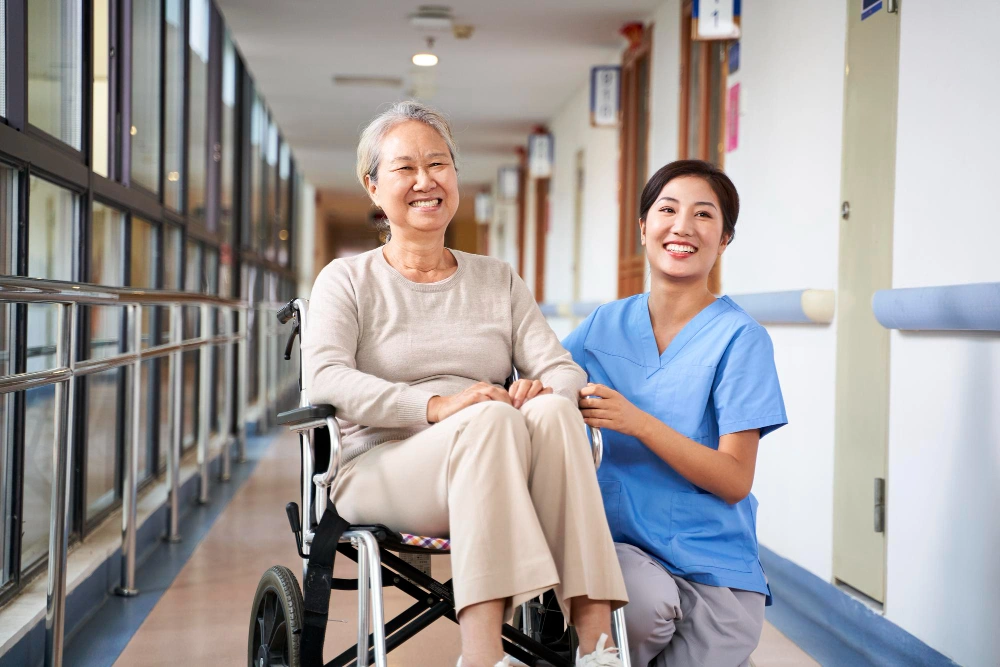
The requirements to become a caregiver include having good physical health as well as strong mental and emotional resilience to provide quality care for older adults. Aspiring caregivers are also encouraged to complete basic caregiver training before taking on the role.
Becoming a caregiver is one of the most meaningful ways to support older adults. A caregiver not only assists with daily activities but also provides emotional support that helps seniors feel comfortable, respected, and valued. Therefore, understanding the requirements to become a caregiver is essential to ensure they can provide the best possible care based on each senior’s needs.
However, being a caregiver involves much more than helping with everyday tasks. It requires physical readiness, emotional resilience, and a variety of specialized skills to support the health, safety, and overall quality of life of older adults.
What Is a Caregiver?
A caregiver is someone who provides assistance and care to individuals in need, particularly older adults who have difficulty performing daily activities independently. This role may be fulfilled by either a family member or a professional caregiver.
A caregiver does not necessarily need a healthcare background. Instead, they can become qualified by completing caregiver training.
The primary responsibility of a caregiver is to assist with daily living activities such as eating, bathing, taking medications, and providing emotional support. The goal is not only to care for seniors physically but also to help them maintain comfort and dignity in their daily lives.
Challenges of Being a Caregiver
From the outside, caregiving may seem straightforward, but it comes with significant physical and emotional challenges. One of the most common difficulties is fatigue caused by remaining attentive and available for extended periods.
Caregivers may also experience stress when witnessing the declining health of the older adults they care for. If left unmanaged, this stress can lead to caregiver burnout, ultimately affecting the quality of care they provide.
Requirements to Become a Caregiver
Before deciding to become a caregiver, it is important to understand several key requirements to ensure that the role can be performed effectively and sustainably.
1. Physical and Mental Readiness
Caregivers need to be in good physical condition, with sufficient strength and stamina to assist older adults with mobility, such as transferring or supporting them safely without causing injury.
Mental stability is equally important. Patience and emotional self-control enable caregivers to remain calm when dealing with behavioral or emotional changes that older adults may experience during the caregiving process.
2. Empathy and Patience
Caring for older adults requires a high level of empathy. Caregivers should be able to understand seniors’ circumstances without judging or forcing their own opinions.
Patience is another essential skill. As people age, they may experience memory loss, hearing impairment, or physical limitations that require more time to complete daily activities.
3. Basic Caregiving Knowledge
Another requirement for becoming a caregiver is understanding the fundamental techniques of elderly care. This includes practical skills such as safely assisting with bathing and dressing, ensuring medications are administered on schedule, and maintaining a safe home environment.
Caregivers should also understand proper patient transfer techniques to assist seniors with limited mobility, reducing the risk of falls and injuries.
4. Communication Skills
Communication skills are often underestimated but play a crucial role in caregiving. Effective communication enables caregivers to understand the needs of older adults while coordinating with family members and healthcare professionals when necessary.
In addition to communicating with seniors, caregivers should be able to share important information with family members and medical staff. Updates regarding health conditions, medication schedules, dietary habits, and behavioral changes should be communicated clearly to avoid misunderstandings.
How to Become a Caregiver
There are several steps you should take to become a caregiver. One of the most important is completing basic caregiver training, which provides the essential knowledge and skills needed before caring for older adults.
1. Complete Basic Caregiver Training
Basic training is the first and most important step for aspiring caregivers. Through training, you can learn how to assist seniors with mobility, maintain personal hygiene, provide first aid, and understand various health conditions.
For example, older adults recovering from a stroke require different transfer techniques than seniors who remain physically active. Likewise, seniors living with dementia require specialized communication approaches to help them feel safe and comfortable.
2. Develop Strong Observation Skills
Observation is one of the most valuable skills a caregiver can possess. By paying close attention to an older adult’s condition and daily habits, caregivers can better understand their needs and provide more personalized care.
Through daily observation, caregivers can recognize eating patterns, sleep schedules, mood changes, and early signs of health problems. This enables them to respond more quickly and helps maintain the senior’s comfort and quality of life.
3. Understand Your Limitations
Knowing when to step back and ask for help is essential for long-term success as a caregiver. Trying to manage every aspect of a senior’s care alone can quickly lead to physical and emotional exhaustion.
By recognizing their own limits, caregivers can better protect their health and well-being. In many situations, collaborating with family members, healthcare professionals, or using assistive care equipment is essential to ensure older adults continue receiving safe and appropriate care.
Conclusion
Becoming a caregiver requires physical and mental preparedness, empathy, effective communication skills, and a solid understanding of elderly care. These qualities are among the most important requirements for anyone considering caring for older adults. In addition, hands-on experience, basic caregiver training, and the ability to recognize personal limitations are essential for providing high-quality care while maintaining the caregiver’s own well-being.
To help keep older adults comfortable and maintain daily hygiene more conveniently, choose Parenty Adult Pants Soft. Designed with soft materials, high absorbency, and a comfortable fit for extended wear, these adult diapers help keep skin dry while simplifying daily caregiving routines, allowing seniors to stay comfortable throughout the day.
Frequently Asked Questions
1. Do caregivers need a healthcare background?
No. Individuals can become caregivers by completing specialized caregiver training, even without a medical or healthcare background. Professional caregiving training provides valuable knowledge and practical skills for daily caregiving responsibilities.
2. What is the difference between a family caregiver and a professional caregiver?
Family caregivers are usually unpaid relatives who provide care without formal training. Professional caregivers, on the other hand, typically complete specialized training and provide care according to professional service standards.
3. Do caregivers need to provide 24-hour care?
It depends on the senior’s condition. Not all older adults require full-time care. Twenty-four-hour caregiving is generally recommended for seniors with limited mobility, dementia or cognitive impairment, post-stroke conditions, or chronic illnesses requiring continuous monitoring.
4. When should families consider hiring additional caregiving support?
Additional caregiving assistance should be considered when an older adult requires intensive care or when family members find it increasingly difficult to manage daily needs, such as bathing, eating, or moving independently.
5. Are Parenty Adult Diapers suitable for older adults with incontinence?
Yes. Parenty Adult Diapers are designed to help manage urinary incontinence with high absorbency, keeping older adults dry and comfortable for longer periods.
6. How do I choose the right Parenty Adult Diaper?
Select the appropriate size based on the senior’s waist circumference and activity level to ensure a secure, comfortable fit and optimal protection.