Have you ever felt joint pain when waking up or noticed your back becoming more bent than usual? These conditions may indicate problems in the bones and joints that many adults commonly experience. Two diseases often associated with these symptoms are osteoporosis and osteoarthritis. Although they may sound similar, the two are fundamentally different.
According to the Indonesian Ministry of Health (Kemenkes), about 1 in 3 women and 1 in 5 men over the age of 50 are at risk of developing osteoporosis. Meanwhile, data from the 2018 Basic Health Research (Riskesdas) recorded an increase in joint pain cases caused by osteoarthritis, especially in people aged 45 and above.
To avoid misunderstanding the symptoms and proper treatment steps, let’s take a closer look at the differences between osteoporosis and osteoarthritis, and how to maintain bone and joint health early on.
What Is Osteoporosis?
Osteoporosis is a degenerative bone disease characterized by decreased bone mass and density. This condition makes bones fragile and prone to fractures, especially in the spine, wrist, and hip.
It is often called the “silent disease” because it does not cause noticeable symptoms until a bone fracture occurs. People usually realize it only after experiencing a fracture caused by minor activities such as bending or lifting light objects.
Causes and Risk Factors of Osteoporosis
Several factors increase the risk of osteoporosis:
- Long-term deficiency of calcium and vitamin D
- Menopause, due to decreased estrogen levels that help maintain bone density
- Natural aging, which gradually reduces bone mass
- Lack of physical activity, especially weight-bearing exercises like walking or yoga
- Smoking and alcohol consumption, which interfere with calcium absorption
- Genetic factors and family history of osteoporosis
Common Symptoms of Osteoporosis
- Stooped posture or a decrease in height
- Back pain caused by small fractures (compression fractures)
- Increased risk of fractures, even from minor impacts
To diagnose the condition, doctors usually perform a Bone Mineral Density (BMD) test to measure bone density. This test is crucial, especially for postmenopausal women and men over 50.
What Is Osteoarthritis?
Osteoarthritis is a degenerative joint disease that occurs due to damage to the cartilage that cushions the ends of the bones. When this protective layer thins, the bones rub against each other, causing pain, stiffness, and swelling.
The condition most commonly affects the knees, hips, hands, and spine. According to the Indonesian Rheumatology Association (IRA), osteoarthritis is the leading cause of joint disability among adults in Indonesia.
Causes and Risk Factors of Osteoarthritis
- Aging, which reduces cartilage elasticity
- Obesity, because excess body weight puts more pressure on joints
- Prior joint injuries or repetitive physical activities such as squatting or climbing stairs
- Genetics and congenital joint deformities
- Sedentary lifestyle that reduces circulation and joint flexibility
Common Symptoms of Osteoarthritis
- Joint pain that worsens after activity
- Morning stiffness or stiffness after sitting for long periods
- Mild swelling and cracking sounds when moving the joint
- Limited mobility, especially in the knees and hips
Diagnosis is performed through X-ray or MRI imaging to observe cartilage damage and bone structure around the joint.
Differences Between Osteoporosis and Osteoarthritis
Many people still assume osteoporosis and osteoarthritis are the same disease because both affect the musculoskeletal system. In fact, they differ in affected areas, causes, disease mechanisms, symptoms, and treatment. Understanding these differences helps avoid misdiagnosis and improper treatment.
1. Affected Body Part
Osteoporosis affects the inner structure of the bone, causing a loss of minerals—mainly calcium and phosphorus—making bones porous and fragile. The spine, hips, and wrists are most commonly affected.
Osteoarthritis, on the other hand, affects the outer part of the joints, specifically the cartilage that cushions the bones. As the cartilage wears down, the bones rub together, causing inflammation, pain, and swelling.
2. Causes and Mechanism
In osteoporosis, the main issue is an imbalance between bone formation and bone loss. As people age, they lose bone mass faster than they can rebuild it. The condition worsens due to calcium and vitamin D deficiency, hormonal imbalance (especially decreased estrogen during menopause), and an inactive lifestyle.
In osteoarthritis, the primary cause is mechanical and degenerative damage from repeated joint use over long periods. Factors like obesity, joint injuries, aging, and congenital joint issues accelerate cartilage thinning. Bone friction triggers chronic inflammatory joint disease.
3. Clinical Symptoms
The most striking difference lies in the early symptoms.
Osteoporosis is known as a “silent disease” because it causes no pain until a fracture occurs. Early signs often include a bent posture, reduced height, and back pain caused by small fractures.
Osteoarthritis, however, is marked by joint pain during activities such as walking, climbing stairs, or gripping objects. Other typical symptoms include morning stiffness, swelling, and cracking sounds when moving. Over time, mobility becomes limited.
4. Diagnostic Process
Osteoporosis is diagnosed using Bone Mineral Density (BMD) testing. A T-score below –2.5 strongly indicates osteoporosis.
Osteoarthritis diagnosis uses X-rays or MRI, which show joint space narrowing, bone spurs (osteophytes), and cartilage thinning. Doctors may also assess joint movement to determine severity.
5. Possible Complications
Osteoporosis increases the risk of spontaneous fractures, particularly in postmenopausal women. Hip or spinal fractures may lead to permanent disability, chronic pain, and reduced quality of life.
In osteoarthritis, complications involve long-term joint function decline. If untreated, patients may develop joint deformities or require joint replacement surgery (arthroplasty).
6. Treatment and Management
Osteoporosis treatment focuses on improving bone density and preventing fractures. Therapy includes:
- Calcium and vitamin D supplements
- Hormone therapy for postmenopausal women
- Weight-bearing exercises like walking or yoga
- Bone-strengthening medications such as bisphosphonates
Osteoarthritis management focuses on reducing pain and slowing joint damage:
- Nonsteroidal anti-inflammatory drugs (NSAIDs)
- Physical therapy and gentle exercises to maintain flexibility
- Weight loss for obese individuals to reduce joint pressure
- Corticosteroid injections or joint replacement surgery for severe cases
7. Prevention
Prevention for both conditions starts with a healthy lifestyle, but with different focuses:
- For osteoporosis: adequate intake of calcium and vitamin D, regular weight-bearing exercise
- For osteoarthritis: maintaining a healthy weight, proper posture, and low-impact physical activities
8. Impact on Quality of Life
Osteoporosis often limits activity due to the risk of fractures, while osteoarthritis restricts movement due to joint pain. Both can lead to reduced independence if not properly managed.
Maintaining Bone and Joint Health Early
Prevention is better than cure. The key to healthy bones and joints lies in an active lifestyle and balanced nutrition. Some simple steps include:
- Consume calcium and vitamin D from milk, fish, and leafy greens
- Do regular light exercise such as brisk walking or yoga
- Avoid smoking and excessive alcohol consumption
- Maintain a healthy weight to reduce joint pressure
- Get regular bone and joint check-ups, especially for postmenopausal women
With the right lifestyle, the risks of osteoporosis and osteoarthritis can be significantly reduced, helping maintain optimal quality of life into older age.
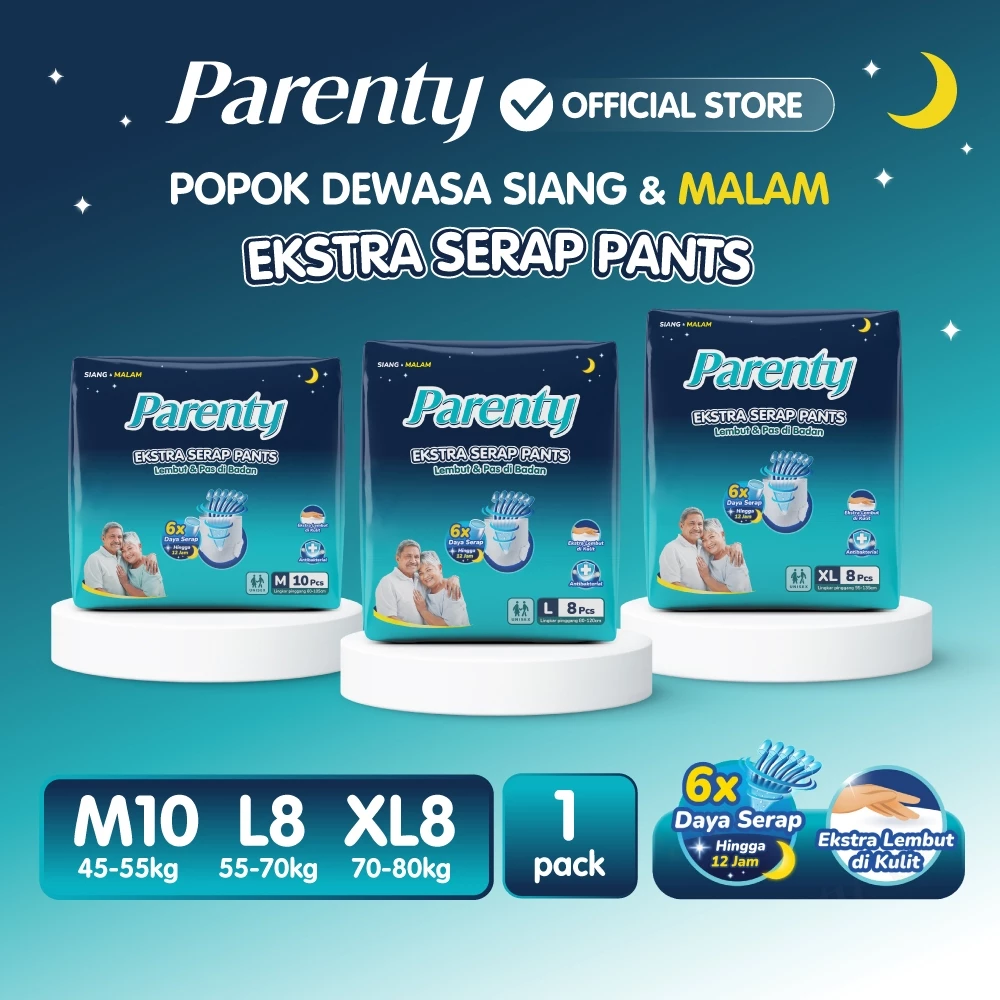
Parenty Heavy Flow Adult Diapers
As we age, some people begin experiencing urinary incontinence—the inability to control urination—which often appears alongside bone or joint problems.
To maintain comfort and confidence, Parenty Heavy Flow comes as an adult pull-up diaper with 6× absorption capacity that lasts up to 12 hours. Its antibacterial material helps prevent irritation, while the soft surface and 360° elastic design keep you moving freely and feeling fresh all day.
With Parenty Heavy Flow, you can stay active and confident, even when facing challenges like osteoporosis or osteoarthritis.
Although both conditions affect the musculoskeletal system, osteoporosis is related to reduced bone density, while osteoarthritis is related to cartilage damage and joint inflammation.
Both can be prevented through an active lifestyle, balanced nutrition, and regular check-ups. Early awareness and education are key to maintaining mobility and quality of life as we age.