
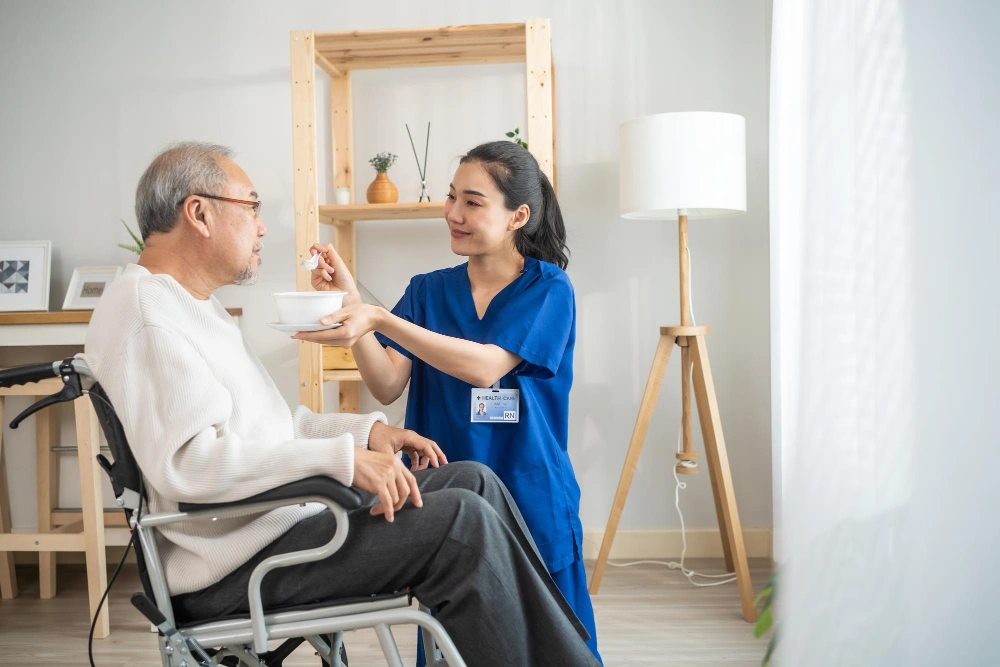
A caregiver and a nurse differ primarily in their education, responsibilities, and level of medical authority. Caregivers focus on providing daily living assistance and emotional support, while nurses are licensed healthcare professionals responsible for medical care, health monitoring, and clinical procedures.
Caregiver vs. Nurse: Which One Does Your Elderly Loved One Need?
As parents and loved ones grow older, they often require additional support with their daily routines. Many families struggle to decide whether they should hire a caregiver or a nurse to provide the right level of care at home.
Although both play important roles in elderly care, their responsibilities, qualifications, and expertise are quite different. Understanding these differences can help you choose the most appropriate type of care based on your loved one’s health condition and daily needs.
What Is a Caregiver?
A caregiver is someone who assists older adults with their daily living activities and provides companionship. Their role primarily focuses on non-medical support, ensuring seniors can continue living comfortably and safely at home.
Unlike nurses, caregivers are not required to have formal medical degrees. However, many receive specialized training that prepares them to care for elderly individuals effectively.
Typical caregiver responsibilities include:
- Assisting with bathing, dressing, and personal hygiene
- Helping with meals and feeding
- Supporting mobility and transferring
- Providing companionship and conversation
- Reminding seniors to take prescribed medications
- Assisting with light household tasks
Beyond physical assistance, caregivers often become trusted companions. Their emotional support helps reduce loneliness, improve mental well-being, and enhance seniors’ overall quality of life.
What Is a Nurse?
A nurse is a licensed healthcare professional who has completed formal nursing education and clinical training. Nurses provide medical care, monitor patients’ health, and perform clinical procedures based on their professional qualifications.
When caring for older adults, nurses may:
- Monitor vital signs and overall health
- Administer medications prescribed by physicians
- Perform wound care
- Manage chronic medical conditions
- Operate certain medical equipment
- Coordinate treatment plans with doctors and family members
Their role is especially important for seniors with complex medical conditions that require ongoing clinical supervision.
Caregiver vs. Nurse: Key Differences
Although both caregivers and nurses support older adults, they differ significantly in education, scope of practice, workplace, and responsibilities.
1. Education and Training
Caregivers generally receive practical training focused on elderly care, communication, daily assistance, and basic first aid. Many professional caregivers also hold certifications that prepare them to respond to emergencies such as falls, choking, fainting, heart attacks, or breathing difficulties.
Nurses, however, complete accredited nursing programs and must obtain professional licensure before practicing. Their education includes anatomy, physiology, pharmacology, clinical nursing, patient assessment, and emergency care.
2. Scope of Responsibilities
Caregivers primarily assist with everyday activities, including:
- Bathing
- Dressing
- Eating
- Walking and mobility
- Medication reminders
- Emotional companionship
Nurses handle more advanced healthcare responsibilities, such as:
- Checking blood pressure, pulse, and temperature
- Administering medications
- Wound management
- Using medical devices
- Monitoring disease progression
- Providing clinical interventions
3. Workplace
Caregivers commonly work in:
- Private homes
- Assisted living facilities
- Nursing homes
- Senior care agencies
Their primary objective is helping seniors remain comfortable, independent, and safe.
Nurses work in a wider range of healthcare settings, including:
- Hospitals
- Clinics
- Rehabilitation centers
- Nursing homes
- Home healthcare services
- Long-term care facilities
Their work focuses on medical treatment and healthcare management.
4. Required Skills
A successful caregiver needs:
- Strong communication skills
- Patience
- Compassion
- Empathy
- Practical caregiving abilities
- Relationship-building skills
Because caregivers often spend extended periods with seniors, emotional connection plays a major role in their work.
Nurses require additional clinical competencies, including:
- Patient assessment
- Medication administration
- Medical equipment operation
- Critical thinking
- Emergency response
- Clinical decision-making
5. Salary and Career Opportunities
Caregivers and nurses generally earn different salaries due to differences in education, certification, responsibilities, and medical expertise. Nurses typically receive higher compensation because they perform licensed medical duties and require formal education.
Demand for both professions continues to grow as aging populations increase worldwide. Families increasingly seek professional support for elderly loved ones, making both careers highly valuable with strong long-term employment prospects.
Should You Hire a Caregiver or a Nurse?
The right choice depends on your loved one’s specific needs.
A caregiver may be the better option if your elderly parent:
- Is medically stable
- Needs help with daily activities
- Requires companionship and supervision
- Benefits from emotional support
A nurse is usually more appropriate if the senior:
- Has chronic or complex medical conditions
- Requires regular health monitoring
- Needs medication management
- Requires wound care or other medical procedures
In many cases, families benefit from hiring both professionals. The caregiver manages daily living activities, while the nurse oversees medical care.
Conclusion
Caregivers and nurses both play essential roles in improving seniors’ quality of life, but they serve different purposes. Caregivers provide daily assistance and emotional companionship, while nurses deliver professional medical care and health monitoring.
In addition to choosing the right caregiver, using appropriate elderly care products can significantly improve comfort and hygiene.
Parenty Adult Diapers are designed to help seniors stay comfortable throughout the day. Made with soft materials and high absorbency, they help keep skin dry and protected, especially for elderly individuals who spend extended periods in bed.
Whether your loved one requires full-time assistance or occasional support, choosing high-quality adult diapers can make daily caregiving easier while improving overall comfort and dignity.
Frequently Asked Questions (FAQs)
1. Does a caregiver need certification?
Not always. Certification may not be necessary if the caregiver only assists with daily living activities such as eating, bathing, and companionship. However, certified caregivers are highly recommended for seniors with dementia, stroke, respiratory conditions, or other complex health needs.
2. Can nurses provide care at home?
Yes. Many home healthcare services offer licensed nurses who can provide medical care, monitor health conditions, administer medications, and assist with recovery in the comfort of the patient’s home.
3. When does an elderly person need a full-time caregiver?
A full-time caregiver is typically recommended when a senior can no longer safely perform everyday activities independently, including eating, bathing, moving around, or requires supervision throughout the day.
4. Can caregivers assist seniors with dementia?
Yes. Caregivers can help individuals living with dementia by providing daily assistance, maintaining routines, ensuring safety, and offering emotional support.
5. How do you choose the right caregiver?
Look for someone who is compassionate, patient, experienced, communicative, trustworthy, and understands the unique needs of older adults.
6. Are Parenty adult diapers suitable for active seniors?
Yes. Parenty Adult Diapers are designed with a comfortable fit and flexible materials that allow seniors to move confidently while helping prevent leaks.
7. What makes Parenty adult diapers different from regular adult diapers?
Parenty Adult Diapers feature high absorbency, soft skin-friendly materials, leak protection, and reliable dryness to help seniors remain comfortable for longer periods throughout the day.