
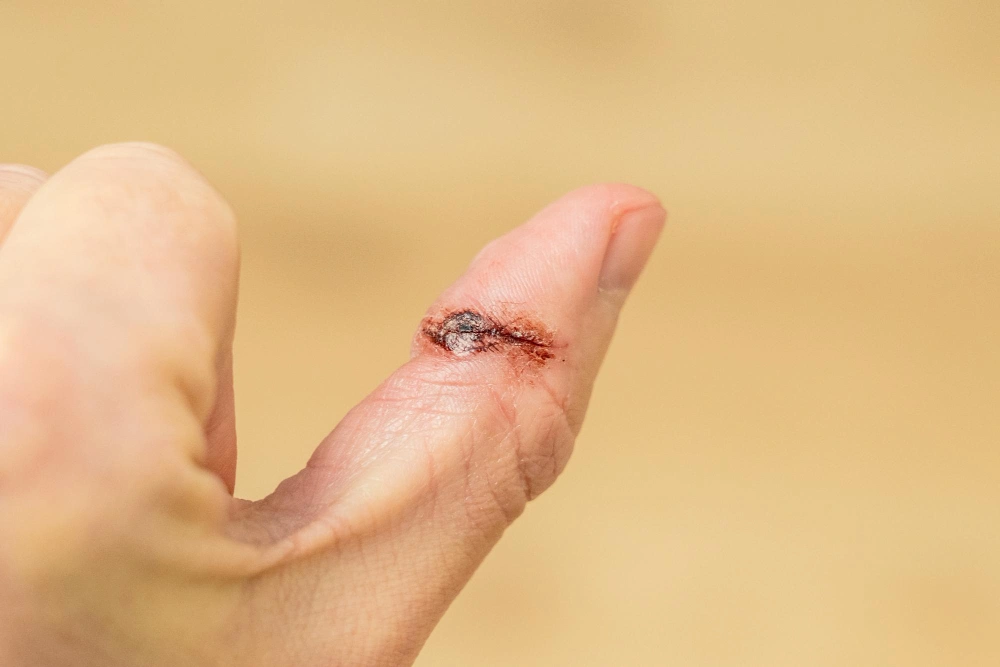
Caring for an older adult with diabetes at home requires extra attention, especially when it comes to maintaining healthy skin. One of the most important aspects families should understand is diabetic wound care.
Diabetes can affect blood circulation, nerve function, and the immune system. As a result, even minor cuts or wounds tend to heal more slowly and are more susceptible to infection. Early and appropriate wound care is therefore essential to prevent serious complications while helping your loved one stay comfortable.
Why Are People with Diabetes More Prone to Wounds?
Several factors make people with diabetes more vulnerable to developing wounds, ranging from nerve damage to certain daily habits.
1. Nerve Damage
Persistently high blood sugar levels (above 200 mg/dL) can damage nerves, a condition known as diabetic neuropathy. Older adults with neuropathy often lose sensation, especially in their feet.
Because pain is reduced or absent, wounds often go unnoticed until they become more severe, increasing the risk of infection.
2. Poor Blood Circulation
Diabetes can also impair blood flow, particularly to the feet. Reduced circulation limits the supply of oxygen and nutrients needed for wound healing.
As a result, wounds heal more slowly than they do in people without diabetes, increasing the risk of open wounds and infection.
3. Weakened Immune System
People with diabetes are more susceptible to infections because their immune system does not function as effectively. This allows bacteria to multiply more easily in open wounds.
Without prompt treatment, diabetic wounds may lead to serious complications, including gangrene, sepsis, and even amputation of the affected limb.
4. Certain Daily Habits
Seemingly minor habits can also contribute to diabetic wounds. Common examples include:
- Walking barefoot
- Wearing shoes that are too tight and cause blisters
- Cutting toenails too short or rounding the corners, increasing the risk of ingrown toenails and small wounds
Signs of an Infected Diabetic Wound
Recognizing the early signs of infection is crucial for preventing diabetic wounds from becoming more serious.
1. Wounds Around the Feet
Diabetic wounds most commonly develop on the feet, especially the soles, heels, and between the toes, since these areas bear body weight and experience frequent friction.
A wound may begin as a small blister caused by tight shoes or a cracked callus before developing into an open ulcer that goes unnoticed because of numbness.
2. Drainage or Pus
When bacteria infect a diabetic wound, it may produce clear, yellowish, or thick pus-like drainage, indicating that the body’s immune cells are struggling to fight the infection.
During dressing changes, you may notice that the gauze becomes soaked with foul-smelling fluid or yellow-green pus.
3. Foul Odor
A strong unpleasant odor coming from the wound is often a sign of anaerobic bacterial infection or tissue death (gangrene).
The smell is usually strong enough to remain noticeable even when the wound is covered with a dressing.
4. Pain, Redness, and Swelling
An infection causes inflammation, making the skin around the wound become red, warm, swollen, and painful.
For example, a foot wound may cause swelling that extends across the top of the foot, making it difficult for an older adult to wear shoes or sandals comfortably.
How to Properly Care for a Diabetic Wound
Diabetic wounds require careful treatment to prevent complications and promote faster healing.
1. Clean the Wound Properly
Clean diabetic wounds regularly using running water and a doctor-recommended wound cleanser, such as sterile saline solution (0.9% sodium chloride).
Avoid products that may damage healthy tissue or irritate the skin, including:
- Alcohol
- Hydrogen peroxide
- Highly concentrated iodine (Betadine)
After cleaning, gently pat the surrounding skin dry with a clean towel or sterile gauze. Avoid rubbing the wound, as friction can damage fragile healing tissue.
2. Cover the Wound with a Sterile Dressing
After cleaning, cover the wound with a clean, sterile dressing.
A dressing helps protect the wound from dust, dirt, and bacteria that could cause infection.
For people with diabetes, even a minor infection can worsen quickly because elevated blood sugar weakens the body’s natural immune defenses.
3. Reduce Pressure on the Wound
Older adults with diabetic wounds should minimize pressure on the affected area.
For example:
- Avoid putting weight on an injured foot.
- Use a heel cushion or pillow to keep the heel off the mattress.
Reducing pressure improves blood circulation and allows damaged tissue to heal more effectively.
For seniors who spend most of their time in bed, reposition them every two hours to prevent pressure ulcers (bedsores).
Using supportive equipment such as anti-pressure air mattresses and comfortable bedding can also help protect the skin.
4. Monitor for Signs of Infection
Family members should closely monitor diabetic wounds for symptoms such as:
- Redness
- Swelling
- Warm skin
- Pus
- Foul odor
These signs indicate bacterial infection and require immediate medical attention.
If the wound shows no signs of improvement—or becomes larger—within 2–3 days, consult a healthcare provider as soon as possible.
Early treatment is essential to prevent the infection from spreading.
5. Keep Blood Sugar Under Control
Blood glucose should remain within your healthcare provider’s recommended target range:
- Below 130 mg/dL before meals
- Below 180 mg/dL two hours after meals
Conversely, blood sugar levels above 200 mg/dL (hyperglycemia) damage blood vessels, reducing the delivery of oxygen and nutrients needed for healing.
High blood sugar also weakens white blood cells, making it harder for the body to fight infection.
Together, these factors significantly delay wound healing and increase the risk of chronic inflammation.
6. Maintain Proper Nutrition
Good nutrition plays a vital role in wound healing.
Families and caregivers should ensure older adults consume sufficient:
- High-quality protein such as fish, eggs, and chicken breast to rebuild tissue
- Vitamin C
- Zinc to strengthen the immune system
Inadequate protein and fluid intake can leave wounds dry, sunken, and slow to close despite proper daily wound care.
Tips to Prevent Diabetic Wounds in Older Adults
Preventing wounds is just as important as treating them.
1. Inspect the Skin Every Day
Carefully examine the older adult’s body—especially the feet—every day, ideally before bedtime or after bathing.
Daily inspections help detect:
- Small cuts
- Blisters
- Calluses
- Skin discoloration
Pay particular attention to the soles of the feet and between the toes. A handheld mirror can make it easier to inspect hard-to-see areas.
2. Trim Toenails Carefully
Improper nail trimming is a common cause of diabetic foot injuries.
Toenails should be:
- Cut straight across
- Not trimmed too short
- Not rounded at the corners to prevent ingrown toenails
If the nails are thick or difficult to cut, soak the feet in warm water first or seek assistance from a healthcare professional.
3. Wear Comfortable Footwear
Shoes or sandals that are too tight can cause friction and blisters.
Choose footwear with:
- A roomy toe box
- Soft cushioned insoles
- Thick, slip-resistant soles
Proper footwear protects the feet from pressure, sharp objects, impact, and slips.
4. Keep the Skin Clean and Moisturized
Older adults with diabetes often have very dry skin.
Apply a moisturizer twice daily:
- After bathing
- Before bedtime
However, avoid applying lotion between the toes, as excessive moisture can encourage fungal growth and infection.
Conclusion
Caring for diabetic wounds at home requires consistency and attention to detail. Proper wound cleaning with sterile saline, routine monitoring for infection, maintaining healthy blood sugar levels, and providing adequate nutrition all play essential roles in promoting healing.
Preventive measures—such as daily foot inspections, proper nail care, appropriate footwear, and good skin hygiene—are equally important for reducing the risk of serious diabetic complications.
To help improve comfort and reduce the risk of pressure ulcers (bedsores) in older adults who spend extended periods in bed during recovery, choosing the right adult diaper is also important. Parenty Adult Diapers Tape Soft offers high absorbency of up to 900 ml, along with a 3D surface that helps distribute moisture evenly, dries quickly, and minimizes skin irritation to keep seniors comfortable throughout the day.
Frequently Asked Questions
1. Do diabetic wounds always occur on the feet?
No. Although diabetic wounds most commonly develop on the feet, they can also occur on the hands, back, or other parts of the body that experience pressure or injury.
2. Should diabetic wounds always remain covered with a bandage?
Yes, provided the dressing is changed regularly and the wound is monitored to prevent excessive moisture buildup.
3. Can people with diabetes use regular antiseptics?
It is best to use wound-cleaning solutions recommended by a healthcare professional to avoid skin irritation and damage to healing tissue.
4. When should a diabetic wound be examined by a doctor?
Seek medical attention immediately if the wound becomes swollen, produces pus, develops a foul odor, or fails to improve within 2–3 days.
5. Does diet affect diabetic wound healing?
Yes. A diet rich in protein (such as fish, chicken, and eggs) supports tissue repair, while high-fiber complex carbohydrates like brown rice and oatmeal help maintain stable blood sugar levels.
6. Are Parenty Adult Diapers comfortable for older adults?
Yes. Parenty Adult Diapers are made from soft, skin-friendly materials with excellent absorbency to help keep older adults comfortable throughout the day.
7. What are the advantages of Parenty Adult Diapers?
Parenty Adult Diapers are designed with reliable leak protection, soft and comfortable materials, and high absorbency to support users’ daily comfort and caregiving needs.