
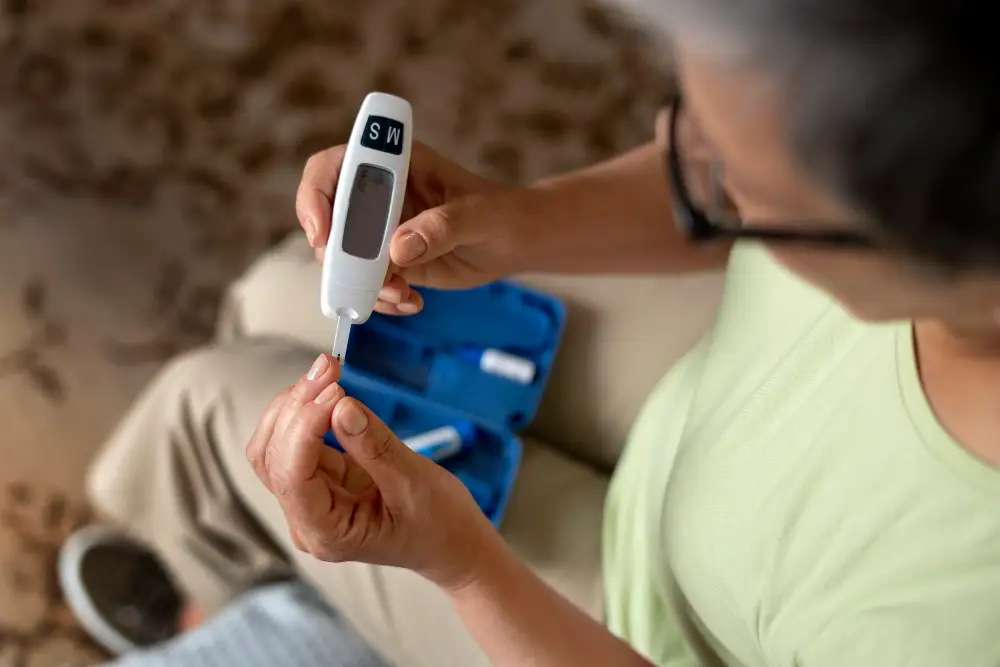
Signs of diabetes in older women may include yeast infections, urinary tract infections, sexual dysfunction, slow-healing wounds, blurred vision, and persistent fatigue. Some symptoms may develop gradually, making blood glucose testing important to determine the underlying cause.
Diabetes is a condition in which blood glucose, or blood sugar, levels become too high because the body does not produce enough insulin or cannot use insulin effectively. In women, diabetes can cause common symptoms such as increased thirst and frequent urination, as well as other concerns related to vaginal health, the urinary tract, and sexual function.
Some signs of diabetes in older women may even resemble symptoms of other health conditions, making them difficult to recognize as blood sugar-related problems. Therefore, recognizing changes in the body can encourage earlier medical examinations and treatment.
Read Also: 6 Tips for Diabetes Wound Care You Should Know
Signs and Symptoms of Diabetes in Older Women
In addition to common diabetes symptoms that can affect anyone, women may experience several more specific or frequently reported symptoms. However, experiencing any one of the following symptoms does not automatically mean someone has diabetes. Medical testing is still necessary to determine the cause.
1. Yeast Infections
Women with diabetes are more prone to vaginal yeast infections because high blood glucose levels can create an environment that supports fungal growth, including Candida.
Symptoms may include itching or irritation around the vagina and vulva, redness, and thick, white vaginal discharge that may resemble cottage cheese, usually without a strong odor.
2. Sexual Dysfunction
Diabetes can affect nerves, blood vessels, and hormonal changes, causing some women to experience reduced sexual desire, vaginal dryness, decreased genital sensation, difficulty reaching orgasm, or pain during sexual intercourse.
These symptoms may also be influenced by other conditions, such as menopause, so they should be evaluated by a healthcare professional.
3. Urinary Tract Infections
People with diabetes have a higher risk of developing urinary tract infections (UTIs), including cystitis.
Symptoms may include a frequent urge to urinate, sudden and urgent urination, pain or a burning sensation when urinating, and, if left untreated, the infection may spread to the kidneys.
Diabetes Symptoms in Older Women That Are Often Overlooked
Not all signs of diabetes are specific. Some symptoms develop gradually, particularly in people with type 2 diabetes.
1. Slow-Healing Wounds
High blood glucose levels can interfere with blood circulation and the body’s natural tissue repair process, causing wounds to take longer to heal.
This is particularly important when it comes to foot wounds because nerve damage can make small injuries difficult to notice until they become more serious.
2. Blurred Vision
High blood glucose levels can draw fluid from various body tissues, including the eye’s lens. This can affect the eye’s ability to focus and cause blurred vision.
If diabetes persists for a long time without proper management, the blood vessels in the retina may also become damaged. Therefore, regular eye examinations are important for people with diabetes.
3. Persistent Fatigue
The body needs glucose as an energy source. However, in people with diabetes, glucose cannot be used effectively by the body’s cells, which may cause weakness or increased fatigue.
Persistent fatigue is a common symptom of diabetes, especially when accompanied by other symptoms such as increased thirst, frequent urination, or unexplained weight loss.
Why Is Diabetes More Difficult to Manage in Older Women?
In women with diabetes, maintaining stable blood glucose levels can become more challenging during hormonal changes, such as menstruation, pregnancy, and menopause. Hormonal fluctuations can affect insulin sensitivity, making blood sugar levels less predictable and potentially causing sudden increases or decreases.
As women enter menopause, declining estrogen levels may also be accompanied by changes in body weight, metabolism, and sleep quality, which can affect diabetes management.
However, the level of difficulty varies depending on age, diabetes type, treatment, diet, physical activity, and other health conditions.
How to Manage Diabetes in Older Women
Diabetes management aims to keep blood glucose levels as close as possible to each individual’s recommended targets while helping prevent complications.
These targets may include blood glucose levels before and after meals, as well as HbA1c levels. The appropriate ranges can vary depending on individual health conditions. Therefore, a diabetes management plan should be developed with a doctor or healthcare professional.
Some recommended steps include:
- Monitor blood glucose levels as recommended by a doctor to track changes and evaluate treatment effectiveness.
- Take diabetes medication or insulin as prescribed. Do not change the dosage without consulting a healthcare professional.
- Maintain a balanced diet by paying attention to carbohydrate intake, added sugar, protein, fiber, and portion sizes.
- Engage in regular physical activity according to individual abilities to help improve insulin sensitivity and maintain a healthy weight.
- Maintain a healthy body weight to help reduce the risk of insulin resistance.
- Manage blood pressure and cholesterol levels because diabetes is also associated with an increased risk of cardiovascular disease.
- Maintain genital and urinary tract health, especially if experiencing recurrent yeast infections or UTIs.
- Schedule regular health checkups, including eye, kidney, nerve, and foot examinations.
- Discuss menstrual or menopausal changes with a doctor if they appear to affect blood glucose stability.
Read Also: Signs That Diabetes Is Getting Worse and Its Risk of Complications
Signs of diabetes in older women may include recurrent yeast infections, urinary tract infections, sexual dysfunction, slow-healing wounds, blurred vision, and persistent fatigue. If these symptoms occur repeatedly or appear together, medical examinations are necessary to determine their cause and assess blood glucose levels.
Diabetes can also affect bladder function and, in some people, cause increased urination or even urinary incontinence. This condition can affect daily comfort, but it should not necessarily prevent someone from continuing their usual activities.
To provide protection for moderate to heavy incontinence, Parenty Adult Pants Heavy Flow offers 6x absorption capacity, up to 12-hour protection, an extra-soft surface, antibacterial features, 360° elasticity, and breathable materials to support everyday comfort.
Choose Parenty Adult Pants Heavy Flow to help provide reliable protection and comfort, allowing older adults to stay active with greater confidence.
Parenty understands that changes in health conditions do not have to change the way someone lives. With the right support, older adults can continue their daily activities more comfortably and confidently.
1. Can diabetes cause irregular menstruation in older women?
It can affect some women, particularly when diabetes is associated with hormonal changes or conditions such as PCOS. However, irregular menstruation can also be caused by other health conditions.
2. Do recurrent yeast infections always indicate diabetes?
No. Yeast infections can be caused by various factors. However, if they occur frequently, blood glucose testing may be worth considering in consultation with a doctor.
3. What tests are used to diagnose diabetes?
Diabetes can be diagnosed through several tests, including fasting blood glucose, HbA1c, oral glucose tolerance tests, or random blood glucose tests, depending on medical indications.