
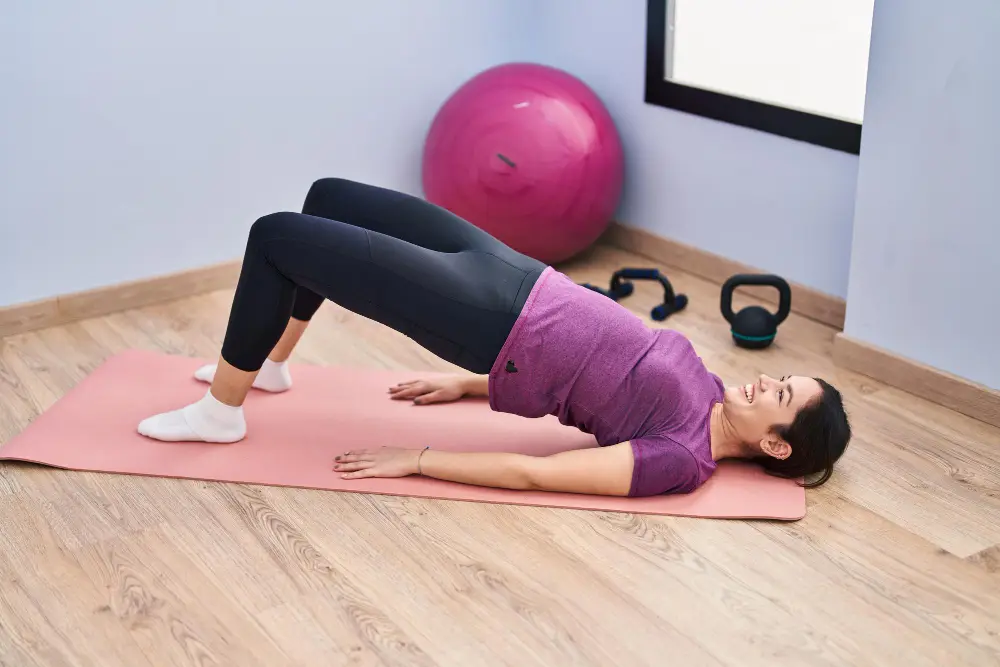
Kegel exercises can help strengthen the pelvic floor muscles, which play an important role in controlling urine flow and reducing leakage. You can start by contracting the muscles for 3–5 seconds, relaxing them for another 3–5 seconds, and repeating the movement approximately 10 times, depending on your ability.
Frequent urination in older adults can be caused by various conditions, including overactive bladder, urinary tract infections, diabetes, certain medications, and an enlarged prostate in men. One exercise that may help improve bladder control is Kegel exercises, particularly when the symptoms are related to weak pelvic floor muscles or urinary incontinence.
However, Kegel exercises do not address every cause of frequent urination. Older adults who experience new or worsening symptoms, pain, blood in their urine, or other accompanying symptoms should still seek medical evaluation to identify the underlying cause.
Read Also: 5 Benefits of Swimming for Older Adults
Why Do Older Adults Urinate Frequently?
The frequency of urination may increase with age due to changes in bladder and urinary tract function. Some people also develop overactive bladder, a condition that causes a sudden, difficult-to-control urge to urinate. It may also be accompanied by more frequent urination or urine leakage.
The same symptoms can also occur due to urinary tract infections, diabetes, excessive caffeine consumption, diuretic medications, or prostate problems in men. This means frequent urination should not automatically be considered a normal part of aging.
If frequent urination starts suddenly, significantly disrupts sleep and daily activities, or is accompanied by pain or changes in urine color, a medical examination is necessary to determine the cause and appropriate treatment.
Can Kegel Exercises Help Manage Frequent Urination?
Kegel exercises, also known as pelvic floor muscle training, strengthen the pelvic floor muscles that support the bladder and help control urine release. Stronger muscles may help reduce leakage and improve the ability to hold back the urge to urinate in some people.
For this reason, Kegel exercises can be part of a bladder training program, especially when symptoms are associated with urge incontinence or weak pelvic floor muscles. However, results are not immediate, and the benefits may vary depending on the underlying cause.
Kegel exercises also do not replace treatment for conditions such as infections, diabetes, urinary retention, or an enlarged prostate. If an underlying medical condition is causing the symptoms, it still needs to be treated directly.
Benefits of Kegel Exercises for Older Adults
Pelvic floor exercises can be performed by both men and women and do not require special equipment. When performed correctly and consistently, these exercises may provide several benefits.
1. Strengthen the Pelvic Floor Muscles
The pelvic floor muscles support the bladder and help open and close the urethra during urination. Kegel exercises train these muscles through repeated contractions and relaxations, which may improve urine control.
2. Help Control the Urge to Urinate
Pelvic floor muscle contractions can be used as a technique to help manage sudden urges to urinate. According to NIDDK, quick and strong pelvic floor contractions may help suppress urgency, giving someone more time to reach the toilet.
3. Reduce the Risk of Urine Leakage
Stronger pelvic floor muscles help hold urine when pressure on the bladder increases or when a sudden urge to urinate occurs. This is why Kegel exercises are commonly used to manage stress incontinence and may also help some people with urge incontinence.
4. Help Older Adults Feel More Comfortable During Daily Activities
Urine leakage or sudden urges to urinate may make some older adults hesitant to walk, travel long distances, or participate in social activities. Better bladder control may help reduce these concerns and improve comfort during daily activities.
5. Support Bladder and Urinary Tract Function
The pelvic floor muscles work together with the bladder and urethra to control urine release. Appropriate exercises may help improve muscle coordination, although the benefits still depend on the type of urinary disorder a person experiences.
How to Identify the Correct Pelvic Floor Muscles
A simple way to identify the pelvic floor muscles is to imagine holding in gas or stopping the flow of urine. The muscles that tighten and lift around the anus or genital area are the muscles used during Kegel exercises.
Stopping urine midstream can be used occasionally to identify the correct muscles, but it should not become a regular exercise. Repeatedly performing Kegels while urinating may prevent the bladder from emptying completely and increase the risk of urinary tract problems.
If you still have difficulty identifying the correct muscles, a doctor or physiotherapist can help assess your technique. One method is biofeedback, which uses a specialized device to provide feedback and help ensure that the muscles are contracting correctly.
How to Do Kegel Exercises for Older Adults
Once you have identified your pelvic floor muscles, you can perform the exercises while lying down, sitting, or standing. For older adults who are just starting, lying down or sitting is usually easier.
1. Empty Your Bladder Before Exercising
Urinate first to make the exercise more comfortable and avoid putting additional pressure on your bladder. Kegel exercises should be performed after urinating, not while urine is flowing.
2. Choose a Comfortable Position, Such as Lying Down or Sitting
Sitting comfortably with your back supported or lying down can help your body relax, making it easier to focus on your pelvic floor muscles. Once you have mastered the technique, you can also exercise while standing to add variety.
3. Tighten Your Pelvic Floor Muscles for 3–5 Seconds
Tighten your muscles as if you were holding in urine or gas, then hold the contraction for approximately 3–5 seconds. Keep your abdominal, thigh, and buttock muscles relaxed so that the contraction focuses on your pelvic floor.
4. Release and Relax Your Muscles for 3–5 Seconds
After contracting the muscles, release them completely for the same amount of time. The relaxation phase is important to prevent your muscles from remaining tense.
5. Repeat the Movement 10 Times
Perform approximately 10 contractions and relaxations in one session. MedlinePlus recommends 10 repetitions per set as one of the starting patterns for pelvic floor exercises.
6. Gradually Increase the Contraction Duration
Once holding a contraction for 3–5 seconds becomes easy, you can gradually increase the duration to approximately 10 seconds, depending on your ability and guidance from a healthcare professional. Do not increase the number of exercises too quickly, as muscle fatigue may actually worsen urine control.
How Often Should Older Adults Do Kegel Exercises?
A common exercise routine involves approximately 10 repetitions three times a day, such as in the morning, afternoon, and evening. NIDDK also recommends practicing regularly in different positions, including lying down, sitting, and standing.
Results do not appear within a day or two. Improvements in bladder control may begin after several weeks, while some people need several months of consistent practice to notice more significant changes.
Since everyone’s needs are different, the number of contractions and their duration can be adjusted by a doctor or physiotherapist. Consistency is more important than doing excessive exercises.
Mistakes to Avoid When Doing Kegel Exercises
Incorrect technique can make the exercises less effective or even cause pelvic floor tension. Avoid the following common mistakes.
1. Stopping the Flow of Urine Every Time You Exercise
Stopping urine midstream should only be used occasionally to identify the pelvic floor muscles. Doing this as a regular exercise may interfere with bladder emptying and increase the risk of urinary tract infections.
2. Tightening Your Abdominal, Thigh, or Buttock Muscles
The contraction should only be felt in the pelvic floor. Tightening your abdominal, thigh, or buttock muscles may increase pressure on the bladder and make the exercise less effective.
3. Holding Your Breath During Exercise
Continue breathing normally while tightening your pelvic floor muscles. Holding your breath can cause your body to tense up and make it harder to contract the muscles correctly.
4. Contracting Too Hard or Doing Too Many Repetitions
Doing pelvic floor exercises more frequently does not necessarily produce faster results. Excessive exercise can cause muscle fatigue and may even make urination or bowel movements more difficult.
5. Stopping Because You Have Not Seen Results Quickly
Muscles need time to become stronger. Improvements may only begin to appear after approximately 3–6 weeks, while some people need several months. Therefore, it is important to practice consistently.
Safety Tips for Older Adults Doing Kegel Exercises
To make Kegel exercises for frequent urination safer and more effective, keep the following points in mind:
- Start with short contractions: A 3-second contraction is sufficient for beginners before gradually increasing the duration.
- Keep breathing normally: Do not hold your breath while tightening your muscles.
- Allow time for relaxation: Relax your muscles for at least the same amount of time as each contraction.
- Do not exercise while urinating: Only use the technique of stopping urine to identify the correct muscles, not as a regular exercise.
- Do not force yourself to complete repetitions: Stop if you experience pain, tension, or difficulty urinating.
- Set daily reminders: Schedule your exercises in the morning, afternoon, and evening to help you stay consistent.
- Ask for guidance if the technique feels difficult: A doctor or pelvic floor physiotherapist can help ensure that you are performing the movements correctly.
Kegel exercises should also not be the only response to frequent urination. If urination continues to become more frequent or is accompanied by pain, blood in the urine, fever, difficulty passing urine, or severe leakage, a medical examination is still necessary.
Read Also: Benefits of Walking for 30 Minutes for Older Adults
Stay Active and Comfortable Despite Urinary Problems with Parenty Adult Pants Soft
Kegel exercises can help strengthen the pelvic floor muscles, improve control over the urge to urinate, and reduce leakage in some older adults. However, results take time, and frequent urination still needs to be addressed according to its underlying cause, especially when it is associated with a medical condition.
While following an exercise routine and treatment plan, Parenty Adult Pants Soft can provide additional protection for older adults with mild incontinence and an active lifestyle. Designed like thin, close-fitting underwear, the product features Luxurious Soft for an extra-soft surface, 3D Surface to help distribute liquid and dry quickly, 360° Elastic to help prevent leakage, and 4x absorbency.
Parenty understands that urinary problems should not force older adults to constantly limit their activities or lose their confidence. With regular exercises, treatment tailored to the underlying cause, and comfortable protection, older adults can continue their routines and enjoy their favorite activities with greater peace of mind.
1. Can Older Men Do Kegel Exercises?
Yes. Kegel exercises can help men strengthen their pelvic floor muscles and reduce certain types of urine leakage.
2. Can Kegel Exercises Be Done Every Day?
Yes. These exercises are usually performed daily, but you do not need to overdo them, as excessive exercise can cause pelvic floor muscle fatigue.
3. Can Kegel Exercises Be Done While Standing?
Yes. Once you have mastered the technique, you can do Kegel exercises while lying down, sitting, or standing.