
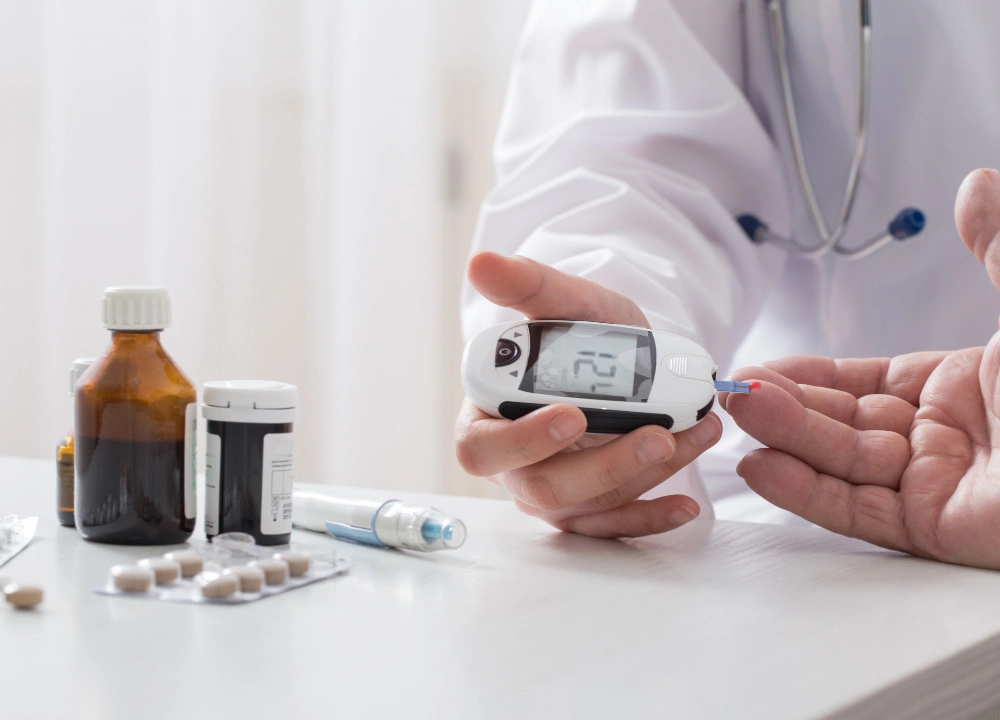
Natural ways to lower blood sugar in older adults include reducing sugar intake, following a balanced and nutritious diet, engaging in regular physical activity, maintaining a healthy weight, getting enough sleep, and managing stress.
Keeping blood sugar under control is an important part of caring for older adults, especially those with diabetes. In addition to supporting overall health, healthy lifestyle habits can help them stay active and carry out their daily activities.
However, natural ways to lower blood sugar do not mean stopping medication prescribed by a doctor. Changes to diet, physical activity, sleep, and daily habits should be made safely and adjusted to the older adult’s health condition.
What Is a Normal Blood Sugar Level for Older Adults?
There is no single blood sugar level that applies to all older adults. For older adults with diabetes, blood sugar targets may vary depending on their health condition, ability to stay active, cognitive function, and other medical conditions.
According to the American Diabetes Association (ADA) 2026 guidelines, pre-meal blood sugar targets for older adults should be adjusted according to their overall health. For healthy older adults, the target is around 80–130 mg/dL. Older adults with more complex health conditions may have a target of 90–150 mg/dL, while those with very complex health conditions or poor health may have a target of 100–180 mg/dL.
Therefore, blood sugar test results should not be interpreted independently. Consult a doctor to determine the appropriate target based on the older adult’s health condition and individual needs.
Read Also: Don’t Ignore These Early Signs of Diabetes
Signs of High Blood Sugar in Older Adults
High blood sugar, or hyperglycemia, can cause several symptoms. However, symptoms may vary from person to person and may not always be noticeable, making regular blood sugar monitoring important for older adults with diabetes.
Some signs to watch for include:
- Frequent urination: High blood sugar can cause the body to excrete more glucose through urine.
- Increased thirst: Frequent urination can cause the body to lose fluids, resulting in increased thirst.
- Fatigue: Uncontrolled blood sugar can make it harder for the body to use glucose effectively as an energy source.
- Blurred vision: Changes in blood sugar levels can affect the fluid and tissues in the eyes, making vision less clear.
- Slow-healing wounds: High blood sugar can increase the risk of infection and interfere with the wound-healing process.
If an older adult experiences persistent symptoms or their blood sugar levels are frequently above the target recommended by their doctor, they should undergo further examination and consultation.
Natural Ways to Lower Blood Sugar
There are several ways that may help naturally lower blood sugar and keep it under control. For older adults, changes should be introduced gradually to ensure they remain comfortable and are appropriate for their physical abilities and health conditions.
1. Limit Foods and Drinks High in Sugar
Foods and drinks high in sugar can cause free sugar intake to exceed the recommended amount, which is around 50 grams or 12 teaspoons per day on a 2,000-calorie diet. Limit sugary drinks, tea with added sugar, soft drinks, cakes, candy, and desserts with added sugar.
As an alternative, encourage older adults to drink water and choose foods with less added sugar. If they want to enjoy something sweet, pay attention to the type and portion size to avoid excessive intake.
2. Manage the Amount and Type of Carbohydrates
Carbohydrates can increase blood sugar after meals. However, older adults do not need to eliminate carbohydrates completely because the body still needs them as a source of energy.
Choose nutritious carbohydrate sources such as brown rice, oatmeal, sweet potatoes, potatoes, corn, or whole-grain bread, while keeping portions moderate. For older adults, carbohydrates can make up around ¼ of the plate at each meal, while still being adjusted to their energy needs and health condition.
3. Eat More High-Fiber Foods
Fiber can help slow digestion and carbohydrate absorption. Therefore, high-fiber foods such as leafy green vegetables, broccoli, carrots, apples, pears, kidney beans, and other legumes can be part of a diet that supports blood sugar management.
Offer options such as ½ a plate of vegetables, 1 whole fruit, or ½ cup of beans per meal. Choose foods with textures that are easy to chew and adjust portions according to the older adult’s chewing ability and digestive condition.
4. Choose Foods With a Low Glycemic Index
The glycemic index (GI) indicates how quickly carbohydrate-containing foods can raise blood sugar. Foods with a GI of ≤55 are considered low and tend to raise blood sugar more slowly, while a GI of 56–69 is considered moderate and ≥70 is considered high.
Examples of foods with a lower GI include oatmeal, legumes, apples, pears, and sweet potatoes. In contrast, white bread, white rice, and sugary foods tend to have a higher GI and may raise blood sugar more quickly.
5. Follow a Balanced and Nutritious Diet
In addition to reducing sugar intake, make sure meals provide protein, vegetables, fruit, appropriate amounts of carbohydrates, and healthy fats to meet nutritional needs.
For example, a daily menu could include brown rice, grilled mackerel, clear spinach soup, stir-fried broccoli, and papaya. For snacks, choose a whole pear, nuts, or yogurt without added sugar to maintain a balanced nutritional intake.
6. Pay Attention to Portion Sizes and Meal Times
Eating portions that are too large can result in excessive carbohydrate and calorie intake. In addition, skipping meals is not recommended, especially for older adults taking certain diabetes medications.
Maintain a regular meal schedule, such as breakfast at 7:00 a.m., lunch at 12:00 p.m., and dinner at 6:00 p.m., with healthy snacks between meals if needed. Try to keep meal times consistent each day and adjust them according to medication schedules and the older adult’s needs.
7. Engage in Regular Physical Activity
Physical activity helps the body use glucose for energy. Examples of exercises suitable for older adults include walking, yoga, and cycling.
Adjust the type and duration of physical activity to the older adult’s abilities. If they have limited mobility or certain medical conditions, consult a doctor first to ensure the chosen activities are safe.
8. Maintain a Healthy Weight
Maintaining a healthy weight is part of blood sugar management. For older adults, a BMI of 18.5–24.9 kg/m² is generally considered within the normal range for adults, although assessment should still take overall health and body condition into account.
If an older adult is overweight, adjusting their diet and physical activity can help them achieve a healthier weight gradually. Avoid strict diets without medical supervision, as older adults are also at risk of nutritional deficiencies and muscle loss.
9. Drink Enough Water
Water helps meet the body’s fluid needs without adding sugar, unlike sugary drinks. Older adults generally need around 1.5–2 liters of fluids per day, although individual needs may vary depending on their health condition and activity level.
Make sure they drink regularly throughout the day, such as one glass every 2–3 hours, to help meet their fluid needs. For older adults with conditions such as heart failure or certain kidney diseases that require fluid restriction, fluid intake should follow the doctor’s recommendation.
10. Get Enough Quality Sleep
Good sleep quality and a regular sleep schedule are also part of a healthy lifestyle that supports blood sugar management. Older adults generally need around 7–8 hours of sleep each night to support overall health and physical well-being.
A short nap of around 20–30 minutes can be taken if an older adult feels tired, but it should not be too late in the afternoon as it may interfere with nighttime sleep. Help them maintain a regular sleep schedule and create a comfortable sleeping environment.
11. Manage Stress Effectively
Stress can increase blood sugar levels. In older adults, stress may arise from changes in routine, health problems, limited activities, or other factors that affect daily life.
Encourage them to participate in activities that help them feel comfortable, such as taking a leisurely walk, talking with family members, pursuing hobbies, or practicing relaxation techniques. Family support can help older adults maintain lifestyle changes more consistently.
12. Quit Smoking and Limit Alcohol
Quitting smoking is an important step toward supporting overall health. Smoking can affect blood vessel health and increase the risk of diabetes complications, so older adults who smoke should begin reducing their intake and work toward quitting.
If an older adult still drinks alcohol, it should be limited or avoided, especially if they are taking certain diabetes medications. Consult a doctor about alcohol consumption to ensure it is safe and does not interfere with blood sugar management.
Read Also: 5 Causes of Swollen Feet in People With Diabetes
Natural ways to lower blood sugar in older adults include following a balanced diet, managing portion sizes, engaging in regular physical activity, getting enough sleep, and managing stress. However, lifestyle changes should always be adjusted to the older adult’s health condition and should not replace medication prescribed by a doctor.
In addition to maintaining health from within, older adults’ comfort during daily activities should also be considered, especially those experiencing mild incontinence. Parenty Adult Pants Soft features luxurious soft material, a 3D surface, 360° elasticity, and up to 4x absorbency to help provide comfort and protection during daily activities.
1. Can Stress Directly Increase Blood Sugar in Older Adults?
Yes. Stress can trigger the release of stress hormones such as cortisol and adrenaline, which can temporarily increase blood sugar levels, particularly in older adults with diabetes.
2. Are Fruits Safe for Older Adults With High Blood Sugar?
Yes, but portion sizes should still be controlled. Choose whole fruits such as apples, pears, oranges, strawberries, guava, and kiwi instead of fruit juice or fruit with added sugar.
3. Does Dinner Time Affect Blood Sugar?
Yes. Eating too late can increase blood sugar levels, so meals should be scheduled regularly and not too close to bedtime. For example, dinner can be scheduled no later than 6:00 p.m.