
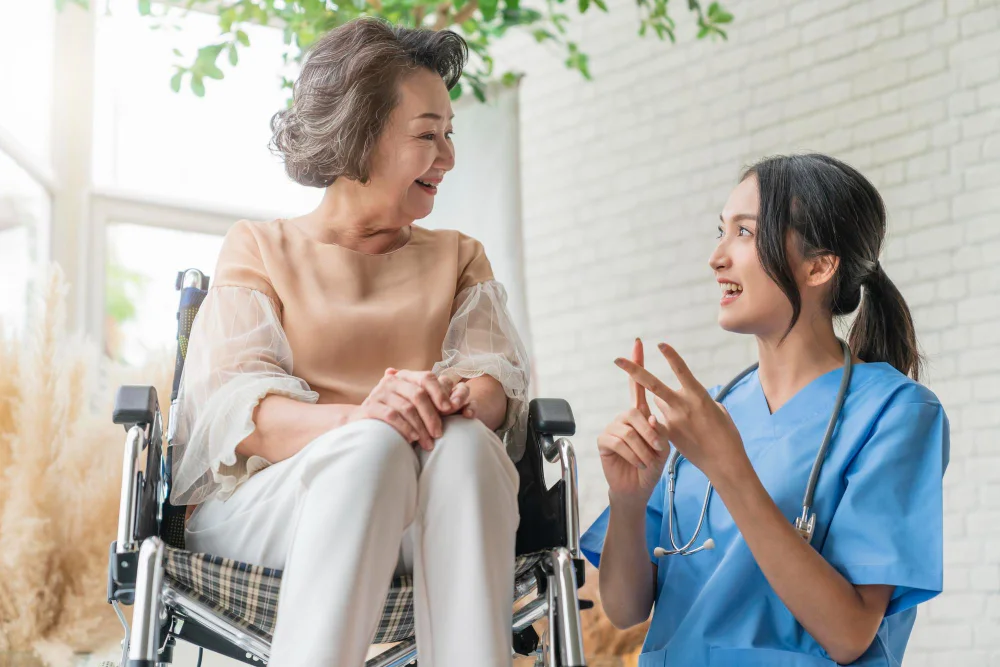
As people age, many older adults experience a decline in physical abilities or health that makes them require assistance with various activities. This is where caregivers play an important role in helping older adults carry out their daily lives safely and comfortably.
Caregivers do more than assist with basic needs such as eating, bathing, or moving around. They also play an important role in maintaining the emotional well-being of older adults. The presence of a caregiver can provide a sense of security, reduce loneliness, and help families ensure that their loved ones receive optimal care every day.
What Is a Caregiver?
A caregiver is someone who is responsible for caring for and accompanying individuals who need assistance with daily activities. This role is generally needed by older adults, people who are ill, or individuals with certain physical limitations.
Caregivers do not always come from professional healthcare backgrounds. In many cases, family members can also become caregivers for their own parents at home.
Caregiver support can help older adults go through their daily lives more comfortably. In addition to assisting with physical needs, caregivers also play a role in supporting their emotional well-being so that they do not feel alone.
Caregiver Duties and Responsibilities
Caregivers are responsible for assisting individuals, especially older adults who require special care. Here are some of the main responsibilities commonly performed by caregivers.
1. Caring for Older Adults
This assistance is particularly important when older adults experience physical limitations that make it difficult for them to perform daily activities independently. Caregivers play an important role in assisting with basic activities such as bathing, dressing, maintaining personal hygiene, and daily mobility.
Maintaining good hygiene and personal care not only helps prevent various health problems but can also significantly improve an older adult’s comfort and self-confidence throughout the day.
2. Providing Emotional Support
In addition to physical health, the mental well-being of older adults also needs to be maintained. Many older adults feel lonely because they rarely leave the house, have lost their spouse, or rarely have conversations with family members. This is where caregivers play an important role as good companions to talk to, who are willing to listen to their stories and understand their feelings.
In addition to accompanying older adults at home, caregivers can encourage them to maintain friendships and spend time with other people. For example, caregivers can accompany them to activities in their neighborhood, attend family events with them, or simply take an afternoon walk together. This type of support can help prevent older adults from experiencing excessive stress, anxiety, or sadness alone.
3. Helping with Household Chores
A safe and comfortable living environment is an important factor in maintaining the health of older adults. Therefore, caregivers are also responsible for helping manage daily household needs.
These tasks may include preparing nutritious meals, cleaning areas frequently used by older adults, doing laundry, and ensuring that the home is free from fall hazards. For example, caregivers can remove loose cables from walkways or install grab bars in the bathroom.
4. Assisting with Mobility
As people age, muscle strength, balance, and movement coordination may decline. This condition increases the risk of falls, which are one of the leading causes of serious injuries among older adults.
Caregivers assist older adults when walking, moving from one place to another, such as from a bed to a chair, using walking aids, or performing light physical activities. This assistance aims to ensure safety while helping older adults remain physically active.
5. Monitoring Health
Caregiver responsibilities also include regularly monitoring the health condition of older adults. This monitoring is important because many older adults have chronic conditions such as hypertension, diabetes, heart disease, or arthritis.
Caregivers can remind older adults about their medication schedules, accompany them to medical appointments, record changes in their health condition, and ensure that they follow medical recommendations provided by healthcare professionals.
Read Also: How to Prevent Osteoporosis and Keep Bones Strong
Types of Caregivers
Caregiver responsibilities vary depending on the needs of the individual receiving care. Some caregivers work in homes, while others work in healthcare facilities or specialized care services.
1. Home Caregiver
A home caregiver is an individual who provides direct assistance to older adults in their home environment. They help with daily activities such as bathing, dressing, eating, moving around, and accompanying older adults during various activities. This type of caregiver is suitable for older adults who still want to live at home but need assistance with their daily activities.
2. Nursing Home Caregiver
Nursing home caregivers work in facilities that provide 24-hour care and supervision for older adults. They are responsible for assisting multiple residents with their daily needs according to established care standards.
Their duties include assisting with mobility, maintaining the personal hygiene of older adults, providing assistance during meals, and regularly monitoring their health conditions. They also coordinate with medical professionals when specific health problems are identified.
Nursing home environments also typically provide various enjoyable activities that help older adults remain active. This is important because social interaction can help maintain mental health and cognitive function in older age.
3. Palliative Caregiver
Palliative caregivers provide assistance to patients with serious illnesses or chronic conditions that require special attention. Their primary focus is to improve the comfort and quality of life of patients.
Palliative caregivers help ensure that patients remain comfortable throughout the day. They also provide important emotional support when patients are facing complex health conditions.
4. Home Healthcare Caregiver
Home healthcare caregivers have specialized training to assist older adults with healthcare needs at home. They often work alongside doctors, nurses, or other healthcare professionals.
Their responsibilities may include monitoring blood pressure, assisting with light rehabilitation, supervising the use of medical equipment, and ensuring that treatment is carried out according to medical recommendations.
This type of caregiver is generally needed by older adults who have recently undergone surgery, have chronic illnesses, or require long-term recovery. The presence of a home healthcare caregiver can help reduce the risk of complications and support the recovery process.
5. Mental Health Caregiver
The mental health of older adults often requires the same level of attention as their physical health. Mental health caregivers have a specific focus on supporting the psychological and emotional well-being of older adults.
They assist older adults who experience dementia, depression, anxiety, or other cognitive disorders. Their support includes emotional companionship, activities that stimulate brain function, and helping maintain a healthy daily routine.
Read Also: How to Prevent Osteoporosis and Keep Bones Strong
A caregiver is someone who provides care and assistance to individuals who need support, particularly older adults who have physical limitations or certain health conditions. Caregiver responsibilities include personal care, emotional support, household management, mobility assistance, and regular health monitoring.
There are various types of caregivers, including home caregivers, nursing home caregivers, palliative caregivers, home healthcare caregivers, and mental health caregivers, each with responsibilities based on the care needs of older adults.
To make daily caregiving more comfortable, caregivers also need the right equipment and supplies. Practical care products can help reduce the challenges of caregiving while maintaining the comfort of older adults during daily activities and rest.
One option is Parenty Adult Tape Diapers, which feature soft materials, high absorbency, and maximum protection. This product is suitable for helping caregivers care for older adults who have difficulty walking or spend most of their time resting in bed. Help provide the best care for your loved ones with Parenty.