
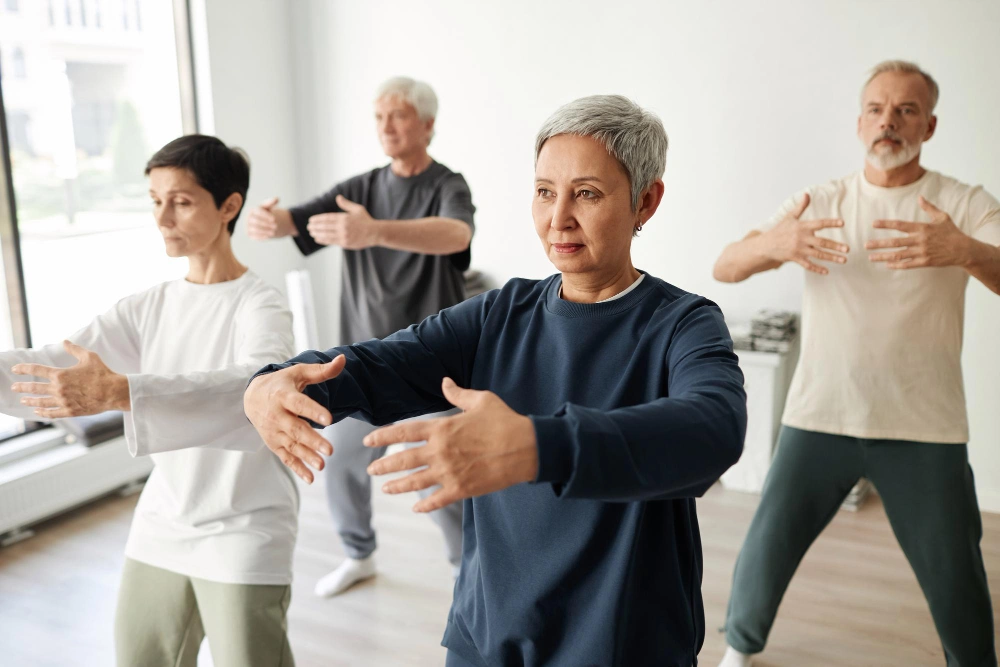
Staying physically active is one of the best ways for older adults to maintain their health and independence. One simple yet effective way to do this is through elderly exercise, which helps improve flexibility, strength, and endurance.
Although physical abilities naturally decline with age, the right type of low-impact exercise can help seniors remain active, comfortable, and confident in their daily lives. Consistent physical activity also contributes to a better overall quality of life.
What Is Elderly Exercise?
Elderly exercise refers to low-impact physical activities specifically designed for older adults. The movements are generally simple, gentle on the joints, and can be adjusted according to each person’s physical abilities.
The primary goal is to improve fitness without placing excessive stress on the body. With regular practice, seniors can maintain flexibility, mobility, and functional independence while reducing the risk of injury.
Benefits of Elderly Exercise
According to the World Health Organization (WHO), regular physical activity helps reduce the risk of chronic diseases while supporting mental well-being in older adults.
Some of the key benefits include:
1. Improves Muscle Strength
Regular exercise helps preserve muscle mass, making everyday activities such as walking, standing, and climbing stairs easier.
2. Enhances Balance
Balance-focused movements improve stability and coordination, reducing the risk of falls, one of the most common causes of injury among older adults.
3. Promotes Healthy Blood Circulation
Gentle movement encourages better circulation, supporting heart health and improving oxygen delivery throughout the body.
4. Reduces the Risk of Chronic Diseases
Consistent exercise may help lower the risk of conditions such as high blood pressure, type 2 diabetes, and cardiovascular disease.
5. Supports Mental Well-Being
Physical activity stimulates the release of mood-enhancing chemicals, helping seniors feel more relaxed, happier, and less stressed.
Common Types of Elderly Exercise
There are several types of exercise suitable for seniors. The best option depends on an individual’s health status and physical ability.
1. Stretching Exercises
Stretching focuses on improving flexibility in the muscles and joints, helping reduce stiffness commonly experienced with aging.
2. Low-Impact Aerobic Exercise
These rhythmic movements improve cardiovascular fitness and endurance without placing excessive strain on the body.
3. Balance Exercises
Balance training improves coordination and stability, making it an essential component of fall prevention.
4. Breathing Exercises
Breathing exercises help increase lung capacity while promoting relaxation and reducing tension.
Safe and Easy Exercise Movements for Seniors
Simple movements performed consistently can provide meaningful health benefits.
1. Slow Arm Raises
Raising the arms slowly strengthens the shoulders and upper arms while improving mobility.
2. Marching in Place
Marching gently on the spot increases circulation, improves coordination, and serves as an effective warm-up.
3. Shoulder Rolls
Rolling the shoulders helps relieve stiffness in the neck, shoulders, and upper back.
4. Leg Stretching
Gentle leg stretches improve flexibility and support comfortable walking and daily movement.
Conclusion
Elderly exercise is a simple yet effective way to maintain strength, balance, flexibility, and overall physical function as people age. Regular physical activity enables seniors to remain active, independent, and confident in their daily routines.
For seniors who experience light bladder leakage during exercise or other activities, Parenty Adult Pants Soft provides reliable protection with its soft materials and high absorbency. Designed for comfort and discretion, it allows older adults to stay active with greater confidence throughout the day.
FAQ
1. Should seniors exercise every day?
Not necessarily. Exercising 3–5 times per week is generally recommended to achieve health benefits while allowing adequate recovery.
2. What is the best time of day for seniors to exercise?
Morning is often ideal because energy levels are typically higher, but the best time depends on individual preference and health conditions.
3. Can seniors with medical conditions participate in exercise?
Yes, but they should consult their healthcare provider first to determine the safest type and intensity of exercise.
4. How long should an exercise session last?
A session of 15–30 minutes is generally sufficient for most older adults.
5. Can elderly exercise be done at home without equipment?
Yes. Many effective exercises require no special equipment and can be performed safely at home.
6. Do Parenty adult diapers help control odor?
Yes. Parenty Adult Pants Soft features absorbent materials that help lock in moisture and reduce unwanted odors.
7. Is Parenty suitable for everyday use?
Yes. It is designed for daily wear, offering comfort, reliable absorbency, and skin-friendly materials for long-lasting protection.