
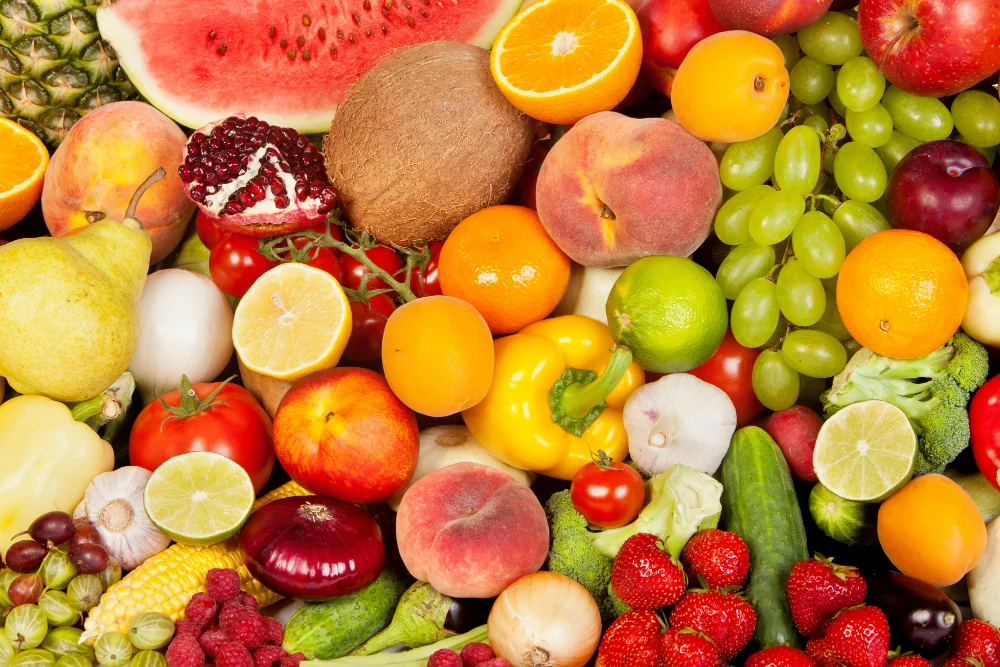
Maintaining a healthy diet is an essential part of diabetes management, including choosing the right fruits. Although fruits are generally considered healthy, not all varieties are suitable for people with diabetes because some contain high amounts of natural sugar that can affect blood glucose levels.
For older adults with diabetes, paying attention to fruit intake is even more important. Age-related changes in metabolism and insulin sensitivity make blood sugar management more challenging, increasing the risk of complications if not carefully controlled.
Why Should People with Diabetes Pay Attention to Fruit Intake?
Fruits are rich in vitamins, minerals, and fiber that support overall health. However, some fruits also contain relatively high levels of natural sugars. When consumed in excess, they may cause blood sugar levels to rise significantly.
Older adults often experience reduced insulin sensitivity. Therefore, choosing fruits that are lower in sugar is an important step in preventing blood sugar spikes and supporting better diabetes management.
Related Article: Watch Out! These Foods May Increase Your Risk of Diabetes
Fruits People with Diabetes Should Limit or Avoid
Some fruits should be limited or eaten only in small portions by people with diabetes. According to the Cleveland Clinic, fruits such as ripe bananas, mangoes, pineapples, watermelon, and raisins can contribute to blood sugar spikes if consumed in excess. Below are some examples:
1. Grapes
Grapes have a naturally sweet taste and contain a relatively high amount of sugar. Eating large portions may cause blood sugar levels to rise quickly.
2. Mangoes
Mangoes have a relatively high glycemic index. While delicious and nutritious, excessive consumption may contribute to rapid increases in blood glucose levels.
3. Ripe Bananas
Very ripe bananas contain more sugar than slightly green bananas. Their softer texture also allows the sugars to be absorbed more quickly by the body.
4. Pineapple
Pineapple contains a considerable amount of natural sugar and may affect blood glucose levels. Its refreshing taste can also make it easy to consume more than intended.
5. Watermelon
Although watermelon is high in water content, it also has a relatively high glycemic index, meaning its sugars can enter the bloodstream quickly.
6. Durian
Durian is known for its high sugar and calorie content. People with diabetes should consume it only in very limited amounts to avoid blood sugar spikes.
7. Canned Fruit
Canned fruit is often packed in sugar syrup. The added sugar makes it a less suitable choice than fresh fruit for people managing diabetes.
8. Packaged Fruit Juice
Commercial fruit juices often contain added sugars while providing less fiber than whole fruits. This allows sugar to be absorbed more rapidly.
9. Raisins
Raisins are dried grapes with a much higher concentration of sugar than fresh grapes. Even small portions can significantly affect blood sugar levels.
10. Fruit Served with Syrup or Added Sugar
Fruit desserts, sweet fruit salads, or fruits served with syrup should be avoided because the added sugar increases the risk of blood sugar spikes.
Related Article: 3 Causes of Diabetes Insipidus and Its Potential Complications
Conclusion
Choosing the right fruits is an important part of diabetes management, especially for older adults. Limiting fruits that are high in natural sugars can help maintain stable blood sugar levels and reduce the risk of serious health complications.
In addition to following a healthy diet, maintaining daily comfort is equally important for older adults with limited mobility or mild urinary incontinence. Parenty Adult Pants Soft features a thin, soft, and comfortable pant-style design that provides all-day comfort, allowing older adults to carry on with their daily activities with greater confidence and peace of mind.