
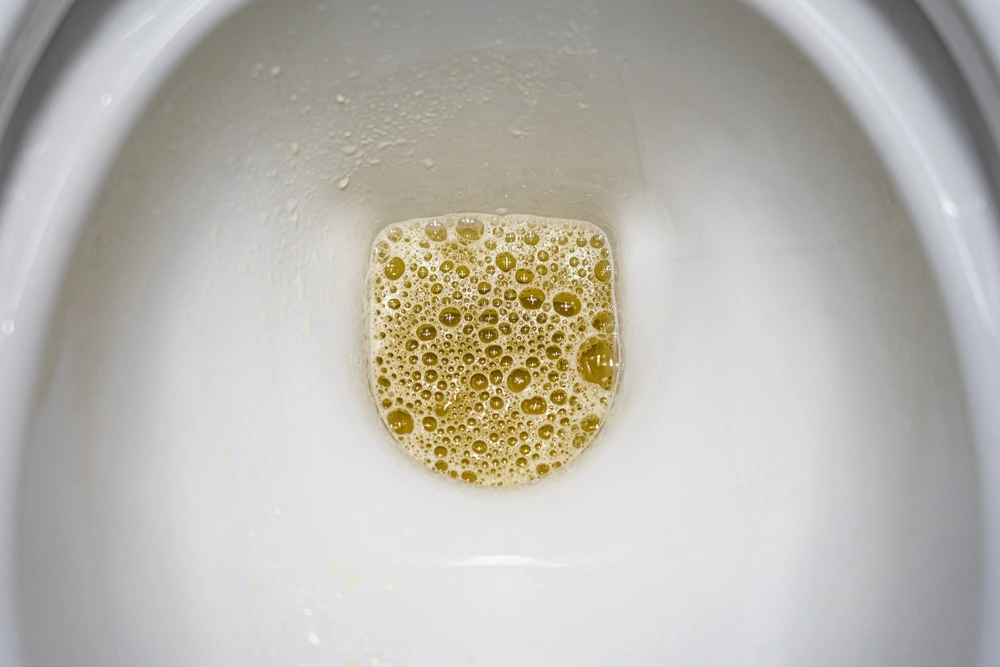
Foamy urine in women can be caused by something as simple as dehydration, but in older adults it may also indicate kidney disease or a urinary tract infection. That’s why it’s important to pay attention to how often it occurs and whether it is accompanied by other symptoms. To help maintain comfort and hygiene during daily care, Parenty Soft Adult Pull-Up Pants provide reliable protection to keep older adults dry and comfortable.
Foamy Urine in Women: Is It Normal or a Sign of a Health Problem?
Foamy urine in women is often a cause for concern, especially in older adults. While it can sometimes result from harmless causes, recurring foamy urine should not be ignored.
In seniors, changes in urine may be an early sign of an underlying health condition. Understanding the possible causes and warning signs can help families and caregivers take the appropriate steps as early as possible.
What Is Foamy Urine?
Foamy urine refers to urine that appears bubbly or forms foam similar to soap suds. In some situations, this can occur without indicating a serious medical condition. However, if it happens repeatedly, it deserves closer attention.
As people age, changes in urine should not be overlooked. The natural aging process affects organ function, including the kidneys, making regular monitoring increasingly important.
Causes of Foamy Urine in Women
Foamy urine can result from various factors, ranging from harmless conditions to more serious medical problems. Understanding the cause can help determine whether home care is sufficient or medical evaluation is needed.
1. Dehydration
When the body does not receive enough fluids, urine becomes more concentrated. The increased pressure during urination can create noticeable foam. This usually improves once adequate hydration is restored.
2. Protein in the Urine (Proteinuria)
Persistent foamy urine may indicate the presence of protein in the urine, a condition known as proteinuria. In older adults, this may be associated with impaired kidney function and should be evaluated promptly to prevent further complications.
3. Urinary Tract Infection (UTI)
A urinary tract infection can change the color, odor, and appearance of urine. Older women are at greater risk due to hormonal changes and factors that may affect personal hygiene.
4. Strong Urine Stream
A forceful urine stream can temporarily create bubbles or foam. In this case, the foam usually disappears quickly and does not occur consistently.
Symptoms That May Accompany Foamy Urine
Foamy urine deserves more attention if it occurs together with other symptoms. The combination of symptoms often helps determine whether the condition is mild or requires medical evaluation.
1. Swelling in the Legs or Face
Swelling may indicate kidney problems. Fluid retention commonly occurs when protein is lost through the urine.
2. Pain or Burning During Urination
Pain or burning is often associated with urinary tract infections. Older adults may also experience unusual discomfort in the lower abdomen.
3. Changes in Urine Color or Odor
Cloudy urine, foul-smelling urine, or urine containing blood should be evaluated promptly. These changes should not be considered a normal part of aging.
When Is Foamy Urine Still Considered Normal?
Not all foamy urine indicates a health problem. The following situations are generally considered harmless if no other symptoms are present.
1. The Foam Disappears Quickly
If the bubbles disappear within a few seconds, they are most likely caused by the force of urination or a reaction with the toilet water.
2. It Happens Occasionally
Foamy urine that occurs only once in a while and does not happen every day is generally not a cause for concern.
3. No Other Symptoms Are Present
If there is no swelling, pain, blood, or unusual urine color, the condition is usually mild.
When Is Foamy Urine a Cause for Concern?
Even small changes in an older adult’s health deserve attention. The following signs should not be ignored.
1. The Foam Persists
If the foam remains visible for several minutes, it may indicate excess protein in the urine.
2. It Occurs Every Day
Foamy urine that appears consistently is unlikely to be a coincidence and should be medically evaluated.
3. It Is Accompanied by Other Symptoms
Persistent fatigue, nausea, swelling, or other systemic symptoms may indicate kidney disease that requires medical attention.
How to Treat Foamy Urine in Women
Treatment depends on the underlying cause. In many cases, simple lifestyle measures can be taken while seeking medical advice.
1. Stay Well Hydrated
Drink enough water every day to keep urine properly diluted and maintain healthy hydration.
2. Maintain Good Intimate Hygiene
Proper intimate hygiene helps reduce the risk of urinary tract infections, especially in older adults with limited mobility.
3. Have a Urine Test
If foamy urine keeps recurring, a urine test can detect protein, infection, or other abnormalities at an early stage.
When Should You See a Doctor?
Consult a healthcare professional if foamy urine persists for several consecutive days, especially if it is accompanied by swelling, pain during urination, or changes in urine color.
For older adults with diabetes or high blood pressure, regular medical checkups are essential because these conditions increase the risk of kidney disease.
Foamy urine in women is not always a sign of a serious illness, but it should never be ignored in older adults. Monitoring how often it occurs, how long the foam lasts, and whether other symptoms are present can help ensure timely medical care.
In addition to proper medical attention, maintaining comfort during daily care is equally important. Parenty provides adult care products specifically designed for older adults using soft materials, excellent absorbency, and a comfortable fit. Parenty Soft Adult Pull-Up Pants help keep the skin dry, reduce excess moisture, and support confidence throughout daily activities.
Show your love and care by choosing Parenty as your trusted daily care solution. Get Parenty Soft Adult Pull-Up Pants today to help your loved ones stay comfortable, clean, and protected every day.
Frequently Asked Questions
Can stress cause foamy urine in women?
Stress does not directly cause foamy urine. However, it may affect hydration habits and overall physical health, which can indirectly influence urine appearance.
Can certain medications cause foamy urine?
Yes. Some medications that affect kidney function may alter the appearance of urine. Consult your healthcare provider if you notice changes after starting a new medication.
Can a high-protein diet cause foamy urine?
Excessive protein intake may increase the amount of protein processed by the body. If kidney function is impaired, this may contribute to protein in the urine and persistent foam.
Can foamy urine occur after exercise?
Yes. Intense physical activity may temporarily make urine more concentrated due to fluid loss, causing temporary foam that usually resolves after proper hydration.
Do hormonal changes in older women affect urine?
Yes. Hormonal changes after menopause can increase the risk of urinary tract infections and other urinary changes, making regular monitoring important.
Do Parenty adult diapers help reduce unpleasant odors?
Yes. Parenty products are designed with a highly absorbent core that quickly locks away moisture, helping keep the skin dry and minimize unpleasant odors.
Where can I buy Parenty Soft Adult Pull-Up Pants?
Parenty products are available through major online marketplaces, medical supply stores, and selected retail outlets.