
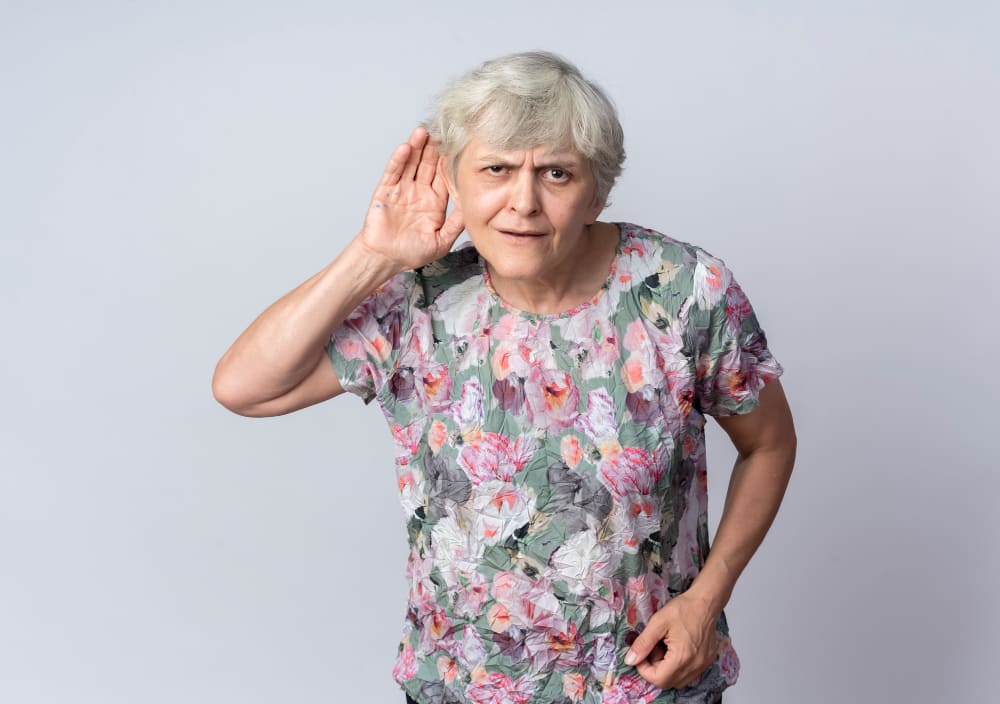
Hearing loss is a common health issue among older adults, yet it is often overlooked. One of the most common types of hearing loss associated with aging is presbycusis. Understanding what presbycusis is, along with its causes, risk factors, symptoms, and treatment options, is essential for providing proper care and improving the quality of life of older adults.
What Is Presbycusis?
Presbycusis is age-related hearing loss that occurs as part of the natural aging process. It typically begins in a person’s 60s and gradually worsens over time. This condition usually affects both ears and primarily reduces the ability to hear high-frequency sounds, such as women’s and children’s voices. It can also make it difficult to understand conversations, especially in noisy environments.
Causes of Presbycusis
Presbycusis results from several physiological changes that occur in the auditory system as people age. The most common causes include:
Degeneration of Hair Cells in the Cochlea
Hair cells inside the cochlea convert sound waves into electrical signals that are sent to the brain. As people age, these sensory hair cells gradually become damaged or die, leading to hearing loss.
Reduced Blood Flow to the Inner Ear
The buildup of plaque in blood vessels can decrease blood circulation to the inner ear, reducing oxygen and nutrient supply and damaging hearing structures.
Damage to the Auditory Nerve
The auditory nerve, which transmits sound signals from the ear to the brain, may gradually lose function over time, affecting hearing ability.
Long-Term Noise Exposure
Prolonged exposure to loud noises can damage the delicate hair cells in the inner ear that are essential for hearing, accelerating age-related hearing loss.
Risk Factors for Presbycusis
Several factors can increase the likelihood of developing presbycusis, including:
- Age: The most significant risk factor. Nearly everyone experiences some degree of hearing loss as they grow older.
- Genetics: A family history of hearing loss may increase the risk.
- Exposure to Loud Noise: Long-term exposure to loud sounds at work or from listening to music at high volumes.
- Chronic Medical Conditions: Diseases such as diabetes, hypertension, and cardiovascular disease can contribute to hearing loss.
- Certain Medications: Some medications, including specific antibiotics and chemotherapy drugs, may have ototoxic effects that damage hearing.
Symptoms of Presbycusis
The symptoms of presbycusis usually develop gradually and may include:
- Difficulty hearing conversations, particularly in noisy environments.
- Trouble hearing high-pitched sounds.
- Frequently asking others to repeat what they said.
- Experiencing tinnitus, such as ringing or buzzing in the ears.
- Feeling that other people’s speech sounds muffled or unclear.
Treatment for Presbycusis
Although presbycusis cannot be cured, several treatment options can help manage the condition and improve communication and quality of life.
Hearing Aids
Hearing aids amplify sounds, making it easier for individuals with hearing loss to hear conversations and environmental sounds.
Auditory Rehabilitation
Hearing therapy or auditory rehabilitation helps individuals improve their listening skills and better understand speech through specialized training.
Cochlear Implants
For people with severe hearing loss who receive little benefit from hearing aids, a cochlear implant may be recommended. This surgically implanted electronic device bypasses damaged parts of the inner ear and sends sound signals directly to the auditory nerve.
Healthy Lifestyle Changes
Avoiding prolonged exposure to loud noise, maintaining a healthy diet, managing chronic health conditions, and attending regular hearing checkups may help slow further hearing decline.
Conclusion
Age-related hearing loss, particularly presbycusis, is a common condition that can significantly affect an older adult’s quality of life. Understanding its causes, risk factors, symptoms, and treatment options enables families and healthcare providers to offer better support and care.
Early detection and appropriate management can help preserve hearing ability, improve communication, strengthen social interactions, and enhance the emotional well-being of older adults.