
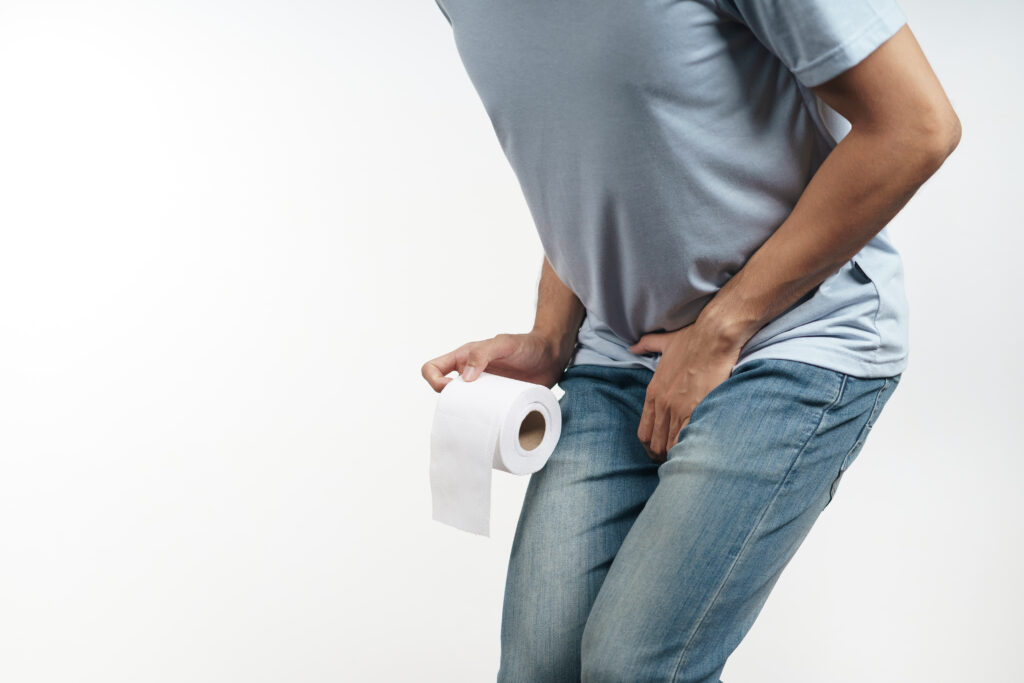
Urinary incontinence is a condition in which a person has difficulty controlling the release of urine, causing leakage that may occur suddenly or repeatedly. Although it is commonly associated with older adults, urinary incontinence can affect people of all ages depending on their individual risk factors. So, who is most at risk? Read on to learn more.
What Is Incontinence?
Incontinence is a medical condition characterized by the loss of bladder or bowel control, resulting in the unintentional leakage of urine or stool. It can affect anyone but is more common among older adults, women after childbirth, and people with certain medical conditions.
Types of Incontinence
- Urinary Incontinence: The inability to control urination.
- Stress Incontinence: Urine leakage that occurs during coughing, sneezing, laughing, or exercise.
- Urge Incontinence: A sudden, intense urge to urinate followed by involuntary urine leakage.
- Overflow Incontinence: The bladder does not empty completely, leading to continuous urine leakage.
- Functional Incontinence: Inability to reach the toilet in time due to physical or cognitive limitations.
- Fecal Incontinence: The inability to control bowel movements.
Who Is at Risk of Urinary Incontinence?
Urinary incontinence can affect anyone, but certain groups have a significantly higher risk.
1. Older Adults
Aging is one of the leading risk factors for urinary incontinence. As people age, the muscles surrounding the bladder naturally weaken, making it more difficult to hold urine effectively.
According to the National Institute on Aging, approximately 30% of women and 15% of men over the age of 65 experience urinary incontinence.
2. Women, Especially After Childbirth
Women are more likely than men to develop urinary incontinence due to hormonal changes and differences in anatomy. Pregnancy, vaginal childbirth, and menopause can weaken the pelvic floor muscles that support bladder control.
A study published in the American Journal of Obstetrics and Gynecology found that approximately 40% of women who have given birth experience urinary incontinence later in life.
3. People with Obesity
Excess body weight places additional pressure on the bladder and pelvic floor muscles, increasing the likelihood of urine leakage.
Research published in the Journal of Urology found that every 5-unit increase in Body Mass Index (BMI) raises the risk of urinary incontinence by about 50%. Maintaining a healthy weight can help reduce this risk.
4. People with Diabetes
Diabetes can cause diabetic neuropathy, a type of nerve damage that affects bladder control and may lead to urinary incontinence.
People with diabetes may also produce more urine due to elevated blood sugar levels, causing them to urinate more frequently.
According to the American Diabetes Association, approximately 50% of people with type 2 diabetes experience bladder dysfunction.
5. People with Neurological Disorders
Neurological conditions such as stroke, Parkinson’s disease, and multiple sclerosis can damage the nerves responsible for controlling bladder function.
Research published in Neurology reports that approximately 37% of people with Parkinson’s disease experience urinary incontinence because of impaired bladder muscle control.
6. People Who Frequently Consume Caffeine and Alcohol
Both caffeine and alcohol have a diuretic effect, increasing urine production and making the urge to urinate more frequent.
Excessive consumption may worsen urinary incontinence symptoms, particularly in people with an overactive or sensitive bladder.
7. Men with Prostate Problems
Men with benign prostatic hyperplasia (BPH) or those who have undergone prostate surgery are at greater risk of urinary incontinence.
An enlarged prostate can compress the bladder and urethra, leading to urine leakage or frequent urination.
8. People with Chronic Constipation
Long-term constipation places extra pressure on the pelvic floor muscles, gradually weakening bladder control.
People who frequently experience constipation are more likely to develop urinary incontinence than those with normal bowel function.
9. People Taking Certain Medications
Some medications can increase the risk of urinary incontinence, including:
- Diuretics (water pills)
- Sedatives
- Certain blood pressure medications
For example, diuretics increase urine production, which may lead to leakage if bladder control is already compromised.
How to Reduce the Risk of Urinary Incontinence
Although not all cases can be prevented, several lifestyle habits may help lower your risk:
- Maintain a healthy body weight.
- Limit caffeine and alcohol intake.
- Perform pelvic floor (Kegel) exercises regularly.
- Stay physically active.
- Manage chronic conditions such as diabetes.
- Avoid chronic constipation by eating a high-fiber diet and drinking enough water.
When Should You See a Doctor?
If you experience frequent urine leakage, difficulty controlling your bladder, or symptoms that interfere with your daily activities, consult a healthcare professional as soon as possible.
Early diagnosis and treatment can help manage urinary incontinence effectively, improve quality of life, and reduce the risk of complications.