
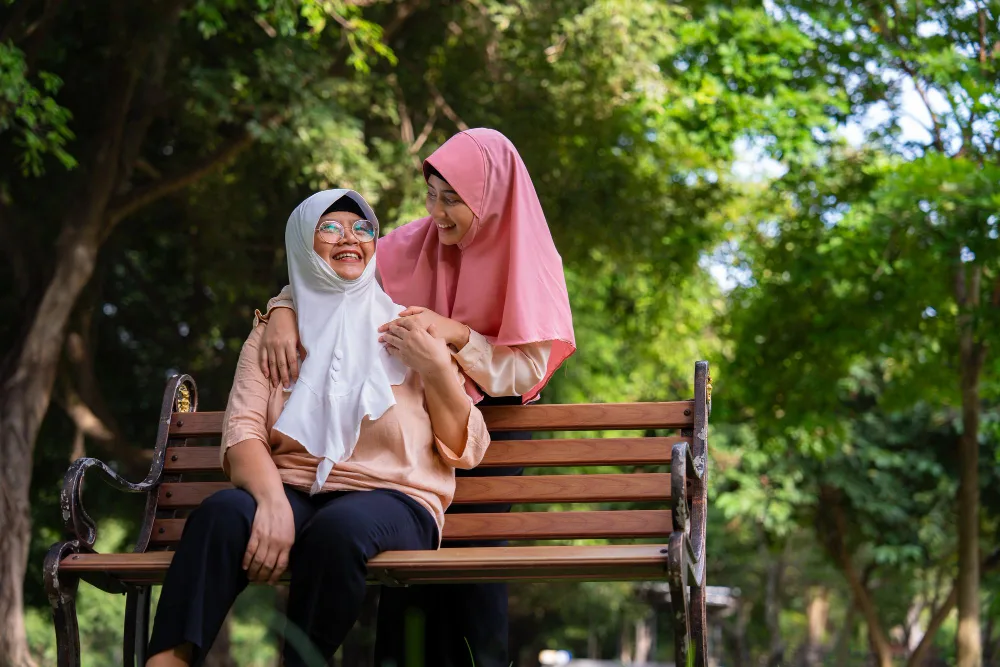
The pre-elderly age group refers to people aged 45 to 59 years old, according to the classification used by the Ministry of Health of the Republic of Indonesia (Kemenkes RI). This stage is not yet categorized as elderly, but it represents an important transition period before entering old age.
During the pre-elderly phase, the body begins to experience gradual changes related to aging, including changes in metabolism, muscle mass, hormones, and overall physical function. Because of these changes, the pre-elderly period is often considered a preparation stage for maintaining health before reaching 60 years old.
Building healthy habits during this stage can significantly influence quality of life and independence in later years.
What Is Pre-Elderly?
Pre-elderly refers to individuals between 45 and 59 years old who are entering a transition period before becoming elderly.
This classification is used by the Indonesian Ministry of Health as part of public health efforts to encourage early prevention and health management before people reach the elderly age category.
Although many people in their 40s and 50s still feel young and active, the body begins to experience gradual biological changes during this period.
Common changes include:
- Reduced muscle mass
- Slower metabolism
- Gradual decrease in bone density
- Changes in hormone levels
- Increased risk of chronic diseases
These changes may not always be noticeable immediately, but they can influence health conditions later in life.
Health experts consider the pre-elderly period a crucial stage because lifestyle choices made during these years can affect health outcomes in older age.
Factors such as:
- Diet quality
- Physical activity
- Sleep patterns
- Smoking habits
- Stress management
can influence the risk of developing chronic conditions in the future.
Why Is Pre-Elderly Health Important?
Many people consider the age of 45 to 59 years as still relatively young. However, medically, this period is when the risk of several non-communicable diseases begins to increase.
Common health risks during pre-elderly years include:
- High blood pressure (hypertension)
- Diabetes
- High cholesterol
- Heart disease
- Joint problems
- Reduced muscle strength
Therefore, the focus during the pre-elderly stage should not only be treating health problems but also preventing them from developing.
Maintaining healthy habits before reaching old age can increase the possibility of staying active, independent, and productive in later years.
Pre-Elderly and Elderly Population in Indonesia
Indonesia is currently experiencing a significant increase in its older population. This demographic change is known as an aging population, which occurs when the proportion of elderly people increases significantly within the total population.
According to population data, Indonesia has entered an aging population era, with millions of people now classified as elderly. This trend is expected to continue increasing in the coming decades.
The growing elderly population creates greater demand for:
- Healthcare services
- Long-term care support
- Social assistance
- Healthy aging programs
However, the health condition of elderly people is strongly influenced by the habits and health management developed during the pre-elderly period.
Based on health survey findings in Indonesia, most elderly individuals are still able to perform daily activities independently. This shows that maintaining health before reaching old age plays an important role in preserving independence.
Age Classification According to Indonesia’s Ministry of Health
The Ministry of Health of the Republic of Indonesia divides age groups into several categories to support healthcare planning and prevention programs.
Adult Age
Adults are generally classified as individuals aged 19 to 44 years old.
During this period, physical functions are usually still strong, although health risks may begin to appear due to lifestyle factors such as unhealthy eating habits, lack of exercise, and stress.
Pre-Elderly Age
The pre-elderly group includes individuals aged 45 to 59 years old.
This stage represents a transition period where people are encouraged to strengthen healthy habits and perform early health screenings.
Elderly Age
Elderly individuals are classified as those aged 60 years and above.
At this stage, age-related biological changes become more noticeable, and the risk of chronic diseases generally increases.
High-Risk Elderly
This category includes elderly individuals who experience:
- Chronic diseases
- Mobility limitations
- Functional decline
- Specific health conditions requiring closer monitoring
This classification helps healthcare providers provide appropriate education, prevention strategies, and medical support according to each age group’s needs.
Common Changes During the Pre-Elderly Stage
Entering the pre-elderly stage is a natural part of the aging process. Several physical changes may gradually occur.
1. Reduced Muscle Mass
Muscle mass naturally begins to decrease after around the age of 40.
Without sufficient physical activity and protein intake, individuals may experience:
- Reduced strength
- Easier fatigue
- Lower physical endurance
Maintaining muscle strength through regular exercise can help support mobility and independence.
2. Slower Metabolism
The body’s metabolism tends to slow down with age.
As a result, the body may burn fewer calories compared with younger years. Without adjustments in diet and activity levels, this may increase the risk of weight gain.
3. Changes in Blood Pressure, Blood Sugar, and Cholesterol
During pre-elderly years, some individuals may begin experiencing increases in:
- Blood pressure
- Blood sugar levels
- Cholesterol levels
Regular health screenings can help detect these changes early and allow preventive action.
4. Hormonal Changes
Hormonal changes may also occur during this stage.
In women, perimenopause may begin before menopause, causing symptoms related to declining estrogen levels.
In men, gradual testosterone decline may affect:
- Energy levels
- Muscle mass
- Physical performance
Tips to Stay Healthy During the Pre-Elderly Stage
Maintaining good health during the pre-elderly period can help improve quality of life, preserve independence, and reduce the risk of chronic diseases when entering old age.
Here are some healthy habits recommended for people aged 45–59 years old.
1. Consume a Balanced and Nutritious Diet
A healthy diet provides essential nutrients needed to maintain muscle strength, bone health, and immune function.
Recommended nutrients during the pre-elderly stage include:
- High-quality protein for maintaining muscle mass
- Fiber for digestive health
- Vitamins and minerals for body functions
- Healthy fats to support heart health
Choose more natural and nutrient-rich foods such as:
- Vegetables
- Fruits
- Fish
- Lean meat
- Eggs
- Whole grains
- Nuts
Reducing excessive sugar, salt, and highly processed foods can also help lower the risk of chronic diseases.
2. Exercise Regularly
Physical activity is one of the most important habits for maintaining health before entering old age.
Regular exercise can help:
- Maintain muscle strength
- Improve heart health
- Support bone density
- Maintain balance and mobility
- Control body weight
Simple activities such as walking for 30 minutes a day can provide significant health benefits.
Other recommended activities include:
- Strength training
- Stretching exercises
- Balance exercises
- Cycling
- Swimming
Exercise should be adjusted according to individual health conditions and physical abilities.
3. Perform Regular Health Checkups
Routine health screenings allow health problems to be detected earlier.
Important health checks during the pre-elderly stage include:
- Blood pressure measurement
- Blood sugar testing
- Cholesterol checks
- Body weight monitoring
Early detection allows individuals to make lifestyle changes before conditions become more serious.
4. Maintain a Healthy Weight
Maintaining an ideal body weight can reduce the risk of various health problems, including:
- Diabetes
- Hypertension
- Heart disease
- Joint problems
A healthy weight can be achieved through a combination of balanced nutrition and regular physical activity.
5. Manage Stress Effectively
Long-term stress can negatively affect both physical and mental health.
Healthy ways to manage stress include:
- Maintaining social relationships
- Spending time with family and friends
- Practicing relaxation techniques
- Doing enjoyable activities
- Taking enough rest
Good emotional health is an important part of healthy aging.
6. Get Quality Sleep
Adults approaching older age should maintain good sleep habits.
Getting around 7–9 hours of sleep per night can support:
- Body recovery
- Brain function
- Hormone regulation
- Immune system health
Poor sleep quality over a long period may increase the risk of several health problems.
Why Preparing for Old Age Should Start Before 60
Healthy aging does not begin when someone reaches 60 years old. The foundation for healthy aging is built years before, especially during the pre-elderly stage.
The habits developed between ages 45 and 59 can influence:
- Physical independence
- Disease risk
- Mobility
- Mental well-being
- Overall quality of life
By adopting healthier habits early, individuals have a greater opportunity to remain active and independent during their elderly years.
Supporting Elderly Family Members with Daily Comfort Needs
As family members grow older, some may experience changes in physical function, including reduced bladder control or urinary incontinence.
For caregivers supporting elderly family members, maintaining comfort, hygiene, and skin health becomes an important part of daily care.
Parenty Adult Pants Heavy Flow is designed as an adult pull-up diaper for moderate to heavy incontinence. It provides high absorbency, soft-touch material, 360-degree elasticity, antibacterial technology, and improved air circulation to help maintain comfort throughout daily activities.
With proper hygiene care and suitable protection, elderly individuals can feel more confident while continuing their daily routines comfortably.
Conclusion
Pre-elderly refers to individuals aged 45 to 59 years old according to the classification used by the Ministry of Health of the Republic of Indonesia.
This stage represents an important transition period before entering elderly age. Although aging-related changes begin gradually, maintaining healthy habits during this period can have a significant impact on future health and independence.
Eating a balanced diet, exercising regularly, maintaining a healthy weight, managing stress, getting enough sleep, and undergoing routine health screenings are important steps to support healthy aging.
For families caring for elderly individuals with incontinence issues, maintaining hygiene and comfort is also essential. Using suitable adult diapers such as Parenty Adult Pants Heavy Flow can help provide protection, dryness, and comfort throughout the day.
Frequently Asked Questions (FAQ)
1. What age is considered pre-elderly?
According to the Ministry of Health of the Republic of Indonesia, pre-elderly refers to individuals aged 45–59 years old.
2. Is someone aged 50 considered elderly?
No. A person aged 50 is generally categorized as pre-elderly, not elderly. Elderly classification begins at age 60 and above.
3. What is the difference between pre-elderly and elderly?
Pre-elderly refers to the transition period between ages 45–59, while elderly refers to individuals aged 60 years and above.
4. Why is the pre-elderly period important?
The pre-elderly period is important because lifestyle habits developed during these years can influence health, independence, and disease risk in later life.
5. What health checks should be done during pre-elderly years?
Recommended health checks include blood pressure, blood sugar, cholesterol levels, and general health assessments.
6. How can pre-elderly people stay healthy?
Maintaining a balanced diet, exercising regularly, managing stress, sleeping well, and having regular medical checkups can support healthy aging.
7. Why is Parenty Adult Pants Heavy Flow suitable for elderly individuals?
Parenty Adult Pants Heavy Flow is designed with high absorbency, soft materials, antibacterial technology, and comfortable elasticity to help manage incontinence while supporting daily hygiene and comfort.
8. How often should adult diapers be changed?
Adult diapers should be changed regularly based on usage and absorbency level. Changing diapers when they become wet or full helps maintain skin cleanliness and reduce discomfort.