
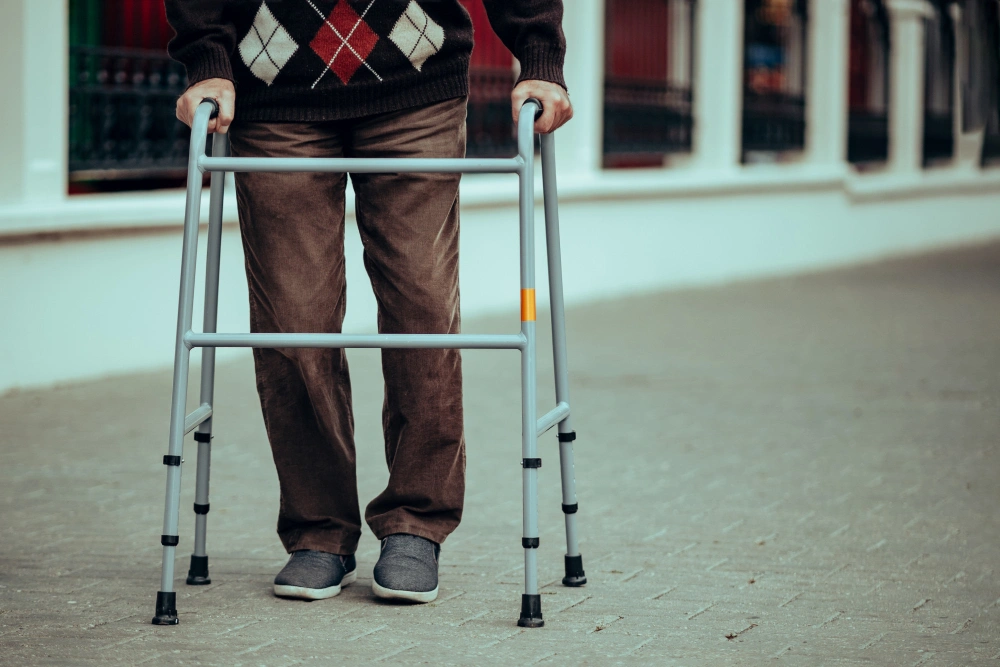
Walking aids for seniors include canes, walkers, and rollators. These mobility devices help improve balance, reduce the risk of falls, and enable older adults to perform daily activities more safely and independently.
Why Walking Aids Are Important for Seniors
As people age, muscle strength, balance, and coordination naturally decline. These physical changes can make everyday tasks—such as walking to the bathroom, moving around the house, or going outdoors—more difficult while increasing the risk of falls and injuries.
The right walking aid can help seniors maintain mobility, improve confidence, and continue living independently. By providing additional support and stability, mobility aids reduce physical strain and make daily activities safer.
What Is a Walking Aid?
A walking aid is a mobility device designed to provide support, balance, and stability while walking. These devices are commonly recommended for older adults who experience difficulty maintaining balance, weakened leg muscles, arthritis, neurological conditions, or other health issues that affect mobility.
Using the appropriate walking aid can help seniors move with greater confidence while lowering the likelihood of falls.
Benefits of Walking Aids for Seniors
Walking aids offer more than just physical support—they also contribute to long-term health, independence, and overall quality of life.
1. Reduces the Risk of Falls
Walking aids provide additional points of support, making it easier for seniors to maintain balance while walking. This significantly lowers the risk of slips, trips, and fall-related injuries.
2. Promotes Independence
With the right mobility aid, seniors can complete many daily activities without relying heavily on caregivers or family members. Maintaining independence often improves confidence and emotional well-being.
3. Encourages Physical Activity
Staying active is essential for healthy aging. Walking aids make it easier for seniors to continue exercising, walking, and participating in social activities, helping preserve muscle strength, cardiovascular health, and mobility.
Types of Walking Aids for Seniors
Different mobility aids provide different levels of support. Choosing the right one depends on the individual’s balance, strength, and mobility needs.
1. Cane
A cane is the simplest type of walking aid. It provides support on one side of the body and is ideal for seniors with mild balance problems who can still walk independently.
A cane may be recommended for individuals experiencing:
- Mild balance issues
- Minor leg weakness
- Recovery from a minor injury
- Early stages of arthritis
2. Walker
A walker features a sturdy frame that allows users to support themselves with both hands while walking. Compared to a cane, a walker provides much greater stability and weight-bearing support.
Walkers are commonly used by seniors who have:
- Moderate balance impairment
- Significant leg muscle weakness
- Recovery after surgery
- Increased risk of falling
Because of its stable design, a walker is often recommended for individuals who require maximum support while moving around the home.
3. Rollator
A rollator is similar to a walker but includes wheels that allow smoother movement without lifting the frame. Most rollators also feature:
- Hand brakes
- A built-in seat for resting
- A storage basket or pouch
Rollators are best suited for active seniors who can walk relatively well but benefit from additional balance support during longer walks or outdoor activities.
How to Choose the Right Walking Aid
Selecting the right walking aid depends on the senior’s physical condition, daily routine, and living environment.
1. Evaluate Physical Ability
Consider factors such as:
- Leg strength
- Balance
- Walking endurance
- Ability to walk independently
A cane may be sufficient for mild mobility limitations, while individuals with greater balance problems or muscle weakness may require a walker or rollator.
If a senior is recovering from surgery, has experienced a recent injury, or has a neurological condition, consult a physician or physical therapist before selecting a mobility aid.
2. Consider the Living Environment
Where the walking aid will be used also matters.
For indoor use, choose a model that is:
- Lightweight
- Easy to maneuver
- Narrow enough for hallways and doorways
For outdoor use, a rollator with wheels, brakes, and a seat may provide greater comfort and convenience during longer walks.
3. Prioritize Safety Features
Safety should always be the top priority when selecting a walking aid.
Look for features such as:
- Non-slip handles
- Durable rubber tips or wheels
- Reliable hand brakes
- Strong, lightweight frame
- Adjustable height settings
Proper height adjustment helps maintain good posture and reduces strain on the hands, shoulders, and back.
Conclusion
Walking aids help older adults stay active, safe, and independent despite age-related declines in strength and balance. Whether choosing a cane, walker, or rollator, selecting the appropriate device based on physical ability and lifestyle can significantly improve mobility and quality of life.
Beyond mobility support, maintaining comfort and personal hygiene is equally important for seniors. For older adults who require extra protection during daily activities, Parenty Adult Tape Diapers provide superior comfort with extra-soft materials, a 3D absorbent surface that quickly locks away moisture to help reduce skin irritation, and up to 6× absorbency for long-lasting dryness. Featuring a wetness indicator and adjustable fastening tapes, Parenty helps seniors stay comfortable, protected, and confident throughout the day.