
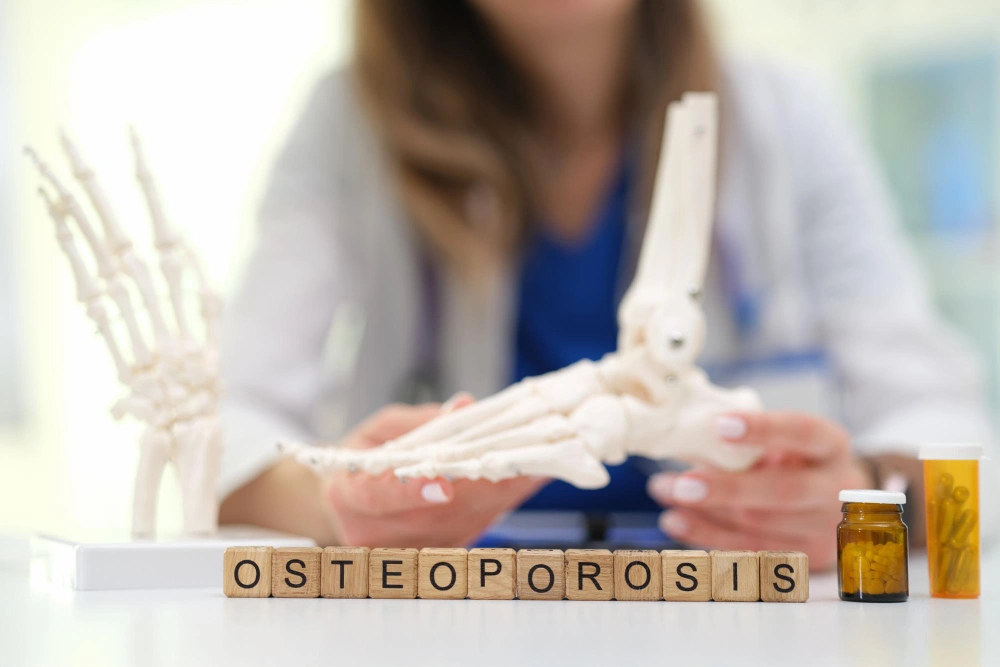
Osteoporosis often develops silently, weakening bones over time until they become fragile and prone to fractures. The condition is especially common among older adults, but it is not an inevitable part of aging. Preventing osteoporosis through healthy lifestyle habits, proper nutrition, regular exercise, and routine health screenings can help maintain strong bones and reduce the risk of fractures later in life.
Why Osteoporosis Prevention Matters
Many people do not realize they have osteoporosis until they experience a fracture caused by a minor fall or even routine daily activities. Hip, spine, and wrist fractures are among the most common complications and can significantly reduce mobility and independence in older adults.
For families and caregivers, understanding how to prevent osteoporosis is an important step toward helping aging parents maintain an active lifestyle and a better quality of life.
What Is Osteoporosis?
Osteoporosis is a condition characterized by reduced bone density and deterioration of bone tissue, making bones weaker and more susceptible to fractures.
Bone loss occurs gradually over many years. During the early stages, osteoporosis usually causes no noticeable symptoms, which is why it is often referred to as a “silent disease.”
As bone density continues to decline, symptoms may begin to appear, including:
- Back pain
- Loss of height over time
- Stooped or hunched posture
- Bones that fracture easily after minor falls or injuries
Severe osteoporosis can make simple activities—such as standing, walking, or getting up from a chair—more difficult while increasing the risk of fall-related injuries.
How to Prevent Osteoporosis
According to the International Osteoporosis Foundation (IOF), osteoporosis prevention should begin in adulthood and continue throughout life. Several healthy habits can significantly reduce the risk of bone loss.
1. Eat Calcium- and Vitamin D-Rich Foods
Calcium and vitamin D are essential nutrients for maintaining bone strength.
Excellent calcium sources include:
- Milk
- Yogurt
- Cheese
- Tofu
- Green leafy vegetables
- Sardines
Vitamin D helps the body absorb calcium efficiently and can be obtained from:
- Safe sunlight exposure
- Fatty fish
- Egg yolks
- Fortified dairy products
A balanced diet rich in these nutrients supports lifelong bone health.
2. Exercise Regularly
Regular physical activity stimulates bone formation and helps maintain bone density.
Recommended exercises include:
- Walking
- Resistance training
- Strength training
- Stair climbing
- Balance exercises
- Tai Chi
Exercise also improves muscle strength and coordination, reducing the likelihood of falls.
3. Avoid Smoking and Excessive Alcohol
Smoking accelerates bone loss and interferes with the body’s ability to absorb calcium.
Excessive alcohol consumption may also weaken bones while increasing the risk of falls and fractures.
Avoiding these habits is an important part of osteoporosis prevention.
4. Get Regular Bone Health Screenings
Bone density testing can detect osteoporosis before fractures occur.
Healthcare providers may recommend bone mineral density (BMD) testing, particularly for:
- Adults over age 65
- Postmenopausal women
- Individuals with multiple osteoporosis risk factors
- People taking long-term corticosteroid medications
Early detection allows treatment to begin before significant bone loss develops.
Risk Factors for Osteoporosis
Several factors increase the likelihood of developing osteoporosis. Some can be modified, while others cannot.
1. Age and Sex
Bone density naturally decreases with age.
Women, particularly after menopause, have a higher risk because declining estrogen levels accelerate bone loss.
2. Family History
A family history of osteoporosis or hip fractures increases an individual’s risk.
Although genetics cannot be changed, healthy lifestyle habits can still help reduce the overall risk.
3. Lifestyle Factors
Poor nutrition, physical inactivity, smoking, and excessive alcohol intake all contribute to reduced bone density over time.
Maintaining healthy daily habits plays an important role in protecting bone health.
4. Certain Medical Conditions and Medications
Some chronic diseases and medications can negatively affect bone health, including:
- Rheumatoid arthritis
- Thyroid disorders
- Long-term corticosteroid use
- Certain gastrointestinal disorders that reduce nutrient absorption
People with these conditions should discuss bone health with their healthcare provider.
Additional Tips for Strong Bones
Along with eating well and exercising regularly, consider these habits to help maintain healthy bones:
- Maintain a healthy body weight.
- Consume adequate protein.
- Prevent falls by keeping the home safe.
- Wear supportive footwear.
- Stay physically active every day.
- Follow your healthcare provider’s recommendations for supplements if needed.
Building healthy habits early provides lifelong benefits for bone strength.
Conclusion
Osteoporosis prevention is about more than keeping bones strong—it also helps preserve mobility, independence, and quality of life as people age. A balanced diet rich in calcium and vitamin D, regular weight-bearing exercise, avoiding smoking and excessive alcohol, and routine bone health screenings are all essential strategies for reducing the risk of osteoporosis.
In addition to maintaining bone health, everyday comfort is equally important for older adults. Parenty Adult Pants Soft are designed with soft, skin-friendly materials and high absorbency to provide dependable protection, helping seniors stay comfortable, confident, and active throughout their daily routines while enjoying greater peace of mind.