
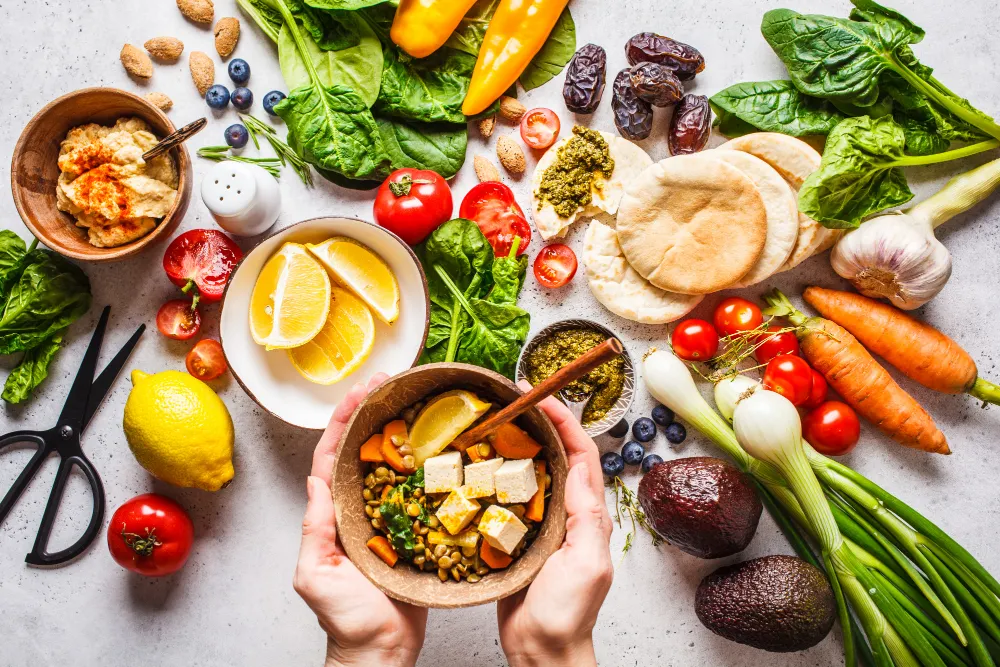
Heart-healthy foods such as vegetables, fruits, whole grains, nuts, and fatty fish play an essential role in maintaining cardiovascular health in older adults. Combined with healthy daily habits, a balanced diet can help seniors stay active, independent, and enjoy a better quality of life.
Why Heart-Healthy Eating Matters for Seniors
Maintaining heart health involves more than simply taking prescribed medications. Daily nutrition has a significant impact on blood vessel function, cholesterol levels, blood pressure, and overall cardiovascular health.
As people age, natural changes in the body make seniors more susceptible to heart disease, hypertension, and stroke. Following a heart-friendly diet is one of the most effective ways to reduce these risks and support healthy aging.
For family members, preparing nutritious meals for aging parents is a simple yet meaningful way to help them maintain long-term health and independence.
How Diet Affects Heart Health
The foods we eat directly influence cardiovascular health.
A diet high in saturated fat, sodium, and added sugars can contribute to:
- High blood pressure
- Elevated LDL (“bad”) cholesterol
- Obesity
- Type 2 diabetes
- Coronary heart disease
Conversely, consuming nutrient-rich foods high in fiber, healthy fats, vitamins, and antioxidants supports healthy circulation and helps lower the risk of cardiovascular disease.
Best Heart-Healthy Foods for Seniors
According to the American Heart Association, diets rich in fiber, healthy fats, and plant-based foods can improve cholesterol levels and reduce the risk of heart disease.
1. Fruits and Vegetables
Fresh fruits and vegetables are packed with:
- Dietary fiber
- Vitamins
- Minerals
- Antioxidants
These nutrients help lower cholesterol, regulate blood pressure, reduce inflammation, and protect blood vessels.
Excellent choices include:
- Spinach
- Broccoli
- Carrots
- Tomatoes
- Apples
- Berries
- Oranges
2. Fatty Fish
Fatty fish are among the best sources of omega-3 fatty acids, which help:
- Reduce inflammation
- Lower triglyceride levels
- Support healthy heart rhythms
- Decrease the risk of cardiovascular disease
Healthy options include:
- Salmon
- Sardines
- Mackerel
- Tuna
Experts generally recommend eating fish at least twice per week.
3. Whole Grains
Whole grains provide complex carbohydrates and soluble fiber that help stabilize blood sugar while lowering cholesterol.
Good options include:
- Oatmeal
- Brown rice
- Whole wheat bread
- Quinoa
- Barley
Replacing refined grains with whole grains supports better long-term heart health.
4. Nuts and Seeds
Nuts contain heart-friendly unsaturated fats, protein, fiber, and important minerals.
Healthy choices include:
- Almonds
- Walnuts
- Pistachios
- Chia seeds
- Flaxseeds
Because nuts are calorie-dense, moderate portions are recommended.
Sample One-Day Heart-Healthy Meal Plan
Creating nutritious meals doesn’t have to be complicated. Here’s a simple daily menu that provides balanced nutrition for cardiovascular health.
Breakfast
- Oatmeal
- Fresh berries or sliced banana
- A small handful of almonds or walnuts
This breakfast provides fiber, antioxidants, and healthy fats to support energy throughout the morning.
Lunch
- Brown rice
- Grilled salmon
- Stir-fried vegetables
- Fresh fruit for dessert
This balanced meal supplies lean protein, omega-3 fatty acids, fiber, and essential vitamins.
Dinner
- Vegetable soup
- Tofu or tempeh
- Steamed broccoli or spinach
A lighter dinner can be easier to digest while still providing adequate protein and nutrients.
Foods to Limit for Better Heart Health
Just as important as choosing healthy foods is limiting foods that increase cardiovascular risk.
1. High-Sodium Foods
Excess sodium raises blood pressure and places additional strain on the heart.
Limit foods such as:
- Processed meats
- Instant noodles
- Packaged snacks
- Fast food
2. Foods High in Saturated Fat
Saturated fat can raise LDL cholesterol and contribute to plaque buildup inside arteries.
Foods to reduce include:
- Fatty cuts of meat
- Butter
- Full-fat dairy products
- Fried foods
- Commercial baked goods
3. Sugary Foods and Drinks
Too much added sugar increases the risk of obesity and type 2 diabetes—both major risk factors for cardiovascular disease.
Try limiting:
- Sugary beverages
- Candy
- Cakes
- Sweet desserts
- Processed snacks
Tips for Supporting Heart Health in Older Adults
In addition to eating nutritious foods, seniors can support their heart health by:
- Exercising regularly
- Maintaining a healthy body weight
- Avoiding smoking
- Limiting alcohol consumption
- Getting enough sleep
- Managing stress
- Attending regular medical check-ups
- Taking medications as prescribed
Small, consistent lifestyle changes can significantly improve heart health over time.
Conclusion
A heart-healthy diet built around fruits, vegetables, whole grains, nuts, and fatty fish can help older adults maintain healthy cholesterol levels, regulate blood pressure, and reduce the risk of cardiovascular disease. Combined with regular physical activity and healthy lifestyle habits, proper nutrition supports healthy aging and a better quality of life.
Beyond nutrition, ensuring comfort during everyday activities is equally important. Parenty Adult Pants Soft are designed with soft, skin-friendly materials and high absorbency to provide reliable protection, helping seniors stay comfortable, confident, and active throughout the day while enjoying greater peace of mind at home or on the go.