Incontinence is a medical condition in which a person loses control over the ability to urinate or defecate. This means a person cannot control when and where they release urine or feces. There are many causes of urinary incontinence that should be understood, along with how to manage them.
Several Causes of Urinary Incontinence
Urinary incontinence can occur in both women and men, ranging from mild to severe. It can affect individuals of all ages. Some common causes of urinary incontinence include:
Weak Pelvic Muscles
Strong pelvic muscles are needed to control urine flow. If these muscles weaken due to aging, pregnancy, or childbirth, a person may experience urinary incontinence.
Hormonal Deficiency
A decrease in estrogen levels in women during menopause can reduce the elasticity of muscle tissue and collagen in the urinary tract, increasing the risk of urinary incontinence.
Urinary Tract Infection (UTI)
UTIs can irritate the bladder and cause an urgent need to urinate, which may be difficult to control.
Increased Abdominal Pressure
High abdominal pressure—such as during coughing, sneezing, laughing, or lifting heavy objects—can trigger stress urinary incontinence. This is common in women after childbirth.
Neurological Disorders
Conditions such as multiple sclerosis, stroke, spinal cord injury, or Parkinson’s disease can disrupt communication between the brain and the bladder, leading to incontinence.
Bladder Inability to Hold Urine
An overactive bladder or a bladder that cannot hold sufficient urine can cause urge urinary incontinence.
Medications
Certain medications, such as diuretics, blood pressure drugs, or others, may cause urinary incontinence as a side effect.
Bladder Inflammation
Bladder inflammation or an irritable bladder can trigger urgency and urinary incontinence.
Obesity
Excess body weight can increase pressure on the bladder and urinary tract, contributing to urinary incontinence.
Caffeine and Alcohol Consumption
Caffeine and alcohol can irritate the bladder and increase urination frequency.
These conditions vary among individuals, and treatment depends on the cause and severity. If you experience symptoms of urinary incontinence, consult a healthcare professional for proper evaluation and treatment.
How to Manage Urinary Incontinence
Managing urinary incontinence depends on its cause and severity. Here are some common steps that may help:
Consult a Healthcare Professional
If you experience urinary incontinence, the first important step is to consult a doctor. They will assess the condition and determine the underlying cause.
Pelvic Floor Exercises
Pelvic floor exercises, also known as Kegel exercises, help strengthen the muscles that control urine flow. They are effective for managing stress and urge incontinence.
Lifestyle Changes
Avoiding caffeine and alcohol, maintaining a healthy weight, quitting smoking, and avoiding spicy or fatty foods can help reduce symptoms.
Physical Therapy
A physical therapist or trained specialist can develop an exercise program tailored to managing urinary incontinence.
Medications
Doctors may prescribe certain medications, especially for urge urinary incontinence.
Medical Treatment
If incontinence is caused by another medical condition, such as a UTI or neurological disorder, appropriate medical treatment is required.
Surgical Treatment
In more severe cases or when other treatments fail, surgical procedures such as bladder sling surgery may be recommended.
Use of Adult Diapers
In cases of severe incontinence, adult diapers or other protective products can help manage leakage during daily activities.
Bladder Training Techniques
This involves scheduling regular bathroom visits to prevent urgency and leakage. It is particularly useful for urge incontinence.
Biofeedback
This technique helps individuals understand and control their pelvic floor muscle functions.
It is essential to consult your healthcare provider before attempting any treatment method. Effective treatment depends on the underlying cause and severity of the condition, so medical evaluation is crucial.
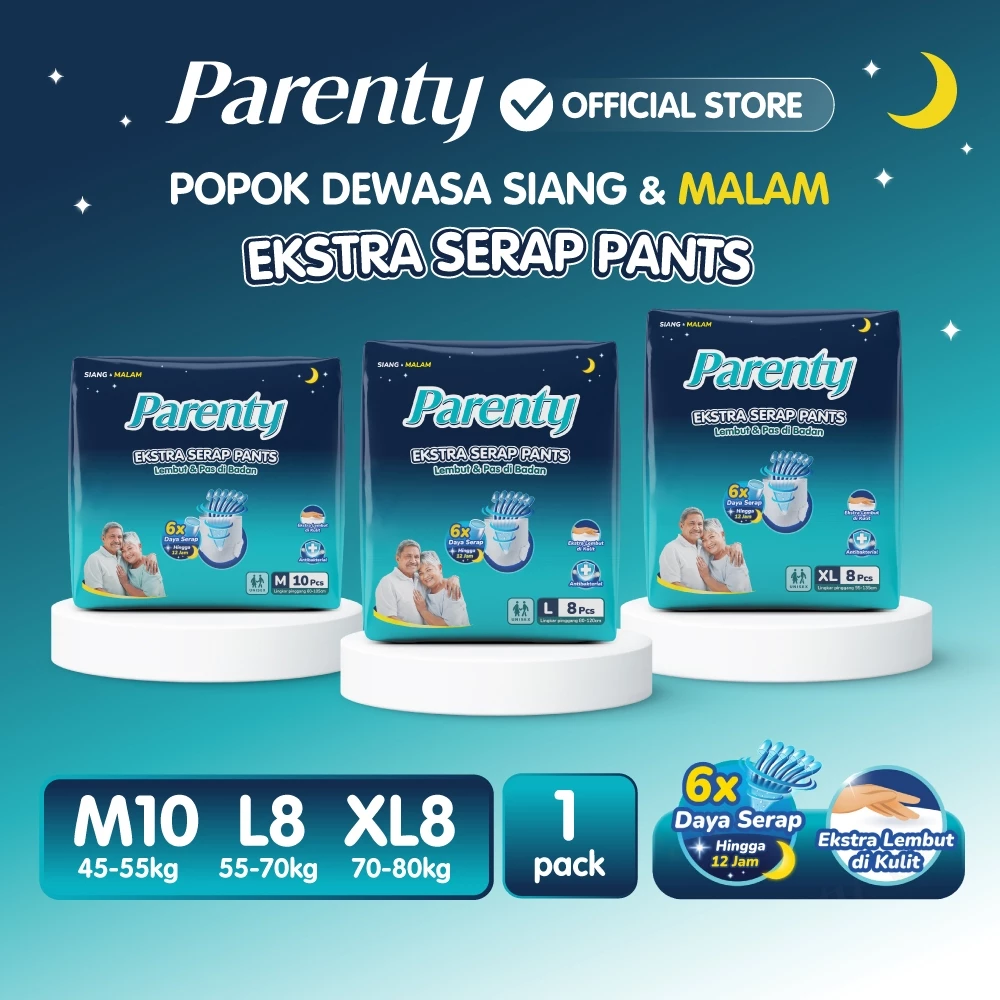
People experiencing urinary incontinence may use adult diapers to help manage leakage during activities. One recommended option is Parenty.
Parenty features a soft surface and 3D structure to reduce friction between the diaper and the skin, helping prevent irritation. It also has 3D leak-guard protection to minimize leakage from all sides. Parenty offers two types—pants and tape-style—available in sizes M, L, and XXL. Parenty adult diapers are available both offline and online. (Aq/MKK)