
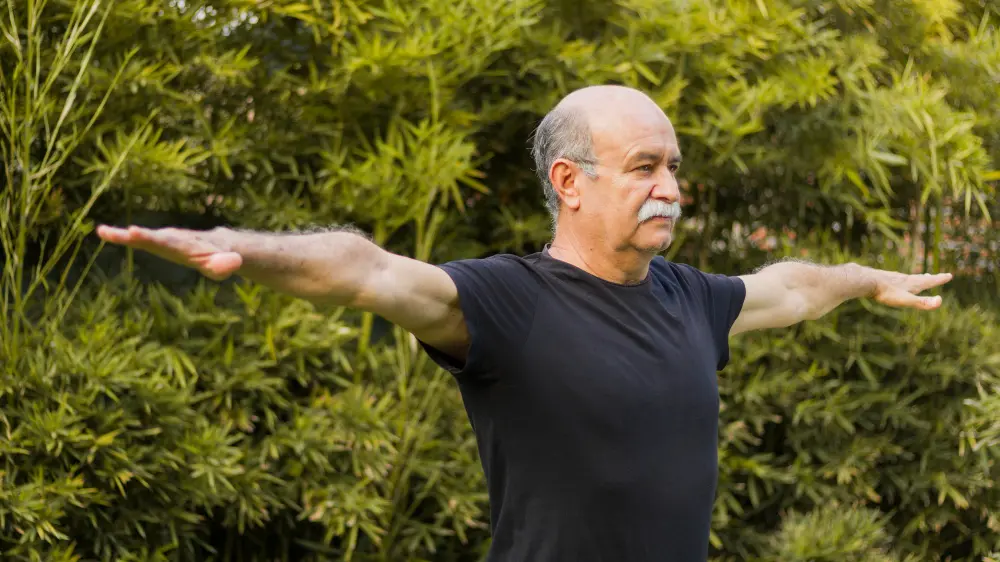
Breathing exercises for seniors include diaphragmatic breathing, pursed-lip breathing, lion’s breath, equal breathing, deep breathing, the 4-7-8 breathing technique, and box breathing. These exercises can help regulate breathing patterns, make breathing more efficient, and promote relaxation and comfort during daily activities.
As people age, changes in the respiratory system may cause some individuals to become short of breath more easily during certain activities. However, this does not mean that older adults need to immediately reduce all the activities they normally enjoy.
One approach that may help regulate breathing is practicing breathing exercises for seniors. Breathing exercises do not automatically increase lung capacity, but they can help individuals use their respiratory system more efficiently and gain better control over their breathing.
Read Also: A Guide to Exercise for Seniors to Stay Fit
Benefits of Breathing Exercises for Seniors
Breathing exercises help individuals become more aware of their breathing patterns and practice using their respiratory muscles, including the diaphragm. Certain techniques, such as diaphragmatic breathing and pursed-lip breathing, are also used to help relieve shortness of breath and make inhaling and exhaling more effective.
In addition to supporting respiratory function, some slow-breathing techniques can help the body relax by activating the parasympathetic nervous system. This relaxation effect may help reduce tension and promote a calmer state, especially when someone feels anxious or stressed.
When breathing is more controlled, seniors may also feel more comfortable performing light activities such as walking, doing simple household chores, or spending time with family. The goal is not to push their physical limits but to help them maintain their activities according to their individual abilities.
Breathing Exercises for Seniors
Each breathing technique has a different pattern and purpose, ranging from helping control breathlessness to promoting relaxation. Seniors can choose the techniques that feel most comfortable and should avoid forcing themselves to hold their breath if it causes dizziness or discomfort.
1. Diaphragmatic Breathing
Diaphragmatic breathing, also known as belly breathing, involves slowly inhaling through the nose while allowing the abdomen to expand, then gently exhaling through the mouth. This technique trains the diaphragm, the primary muscle located beneath the lungs, helping make breathing more controlled and energy-efficient.
2. Pursed-Lip Breathing
Pursed-lip breathing involves slowly inhaling through the nose and then exhaling through lips gently pressed together, as if softly blowing out a candle. Try to make the exhalation longer than the inhalation. For example, inhale for 2 counts and exhale for 4 counts. This can help slow the breathing rate and keep the airways open for longer.
3. Lion’s Breathing
Lion’s breath, also known as simha pranayama, involves inhaling through the nose, then opening the mouth, sticking out the tongue, and exhaling with a long “haaa” sound. This breathing technique, commonly practiced in yoga, is primarily used to promote relaxation and relieve tension.
4. Equal Breathing
Equal breathing involves inhaling and exhaling for the same amount of time. For example, inhale for 4 counts and then exhale for 4 counts. This consistent pattern can help slow breathing and focus attention on the breathing rhythm, allowing the body to feel calmer.
5. Deep Breathing
Deep breathing involves slowly inhaling through the nose, allowing the abdomen and lower chest to expand, then gently exhaling without rushing. Avoid inhaling too forcefully or repeating the exercise too quickly, as this may cause hyperventilation, dizziness, or discomfort.
6. The 4-7-8 Breathing Technique
The 4-7-8 breathing technique involves inhaling through the nose for 4 counts, holding the breath for 7 counts, and then exhaling through the mouth for 8 counts. This pattern is used to promote relaxation and calm the mind. However, seniors can shorten the duration or stop the exercise if holding their breath feels difficult or causes dizziness.
7. Box Breathing
Box breathing involves four stages, each lasting 4 counts: inhaling, holding the breath, exhaling, and holding the breath again before starting the next cycle. Also known as 4-4-4-4 breathing, this technique can help regulate breathing rhythms and promote relaxation through a structured pattern.
Safety Tips for Seniors Practicing Breathing Exercises
Breathing exercises should be performed according to individual physical abilities and should never be forced to achieve a specific duration. Here are some important safety tips to keep in mind:
- Start in a comfortable position, such as sitting upright with your back straight and shoulders relaxed.
- Practice slowly, especially if you are trying controlled breathing techniques for the first time.
- Do not force yourself to hold your breath, particularly during the 4-7-8 technique or box breathing, if it causes discomfort.
- Stop exercising if you experience dizziness, chest pain, or worsening shortness of breath.
- Practice breathing techniques when your body is relaxed first, so they are easier to use when you feel slightly out of breath.
- Adjust exercises according to your health condition, especially if you have COPD, asthma, heart disease, or other respiratory conditions.
- Seek immediate medical attention if you experience severe or persistent shortness of breath, as breathing exercises are not a substitute for medical treatment in an emergency.
Family members can also accompany older adults when they are first learning breathing techniques, but allow them to determine the rhythm that feels most comfortable. Providing proper support does not mean taking control. Instead, it means helping seniors maintain control over activities they can still perform independently.
Read Also: Types of Exercise for Seniors and Their Health Benefits
Breathing exercises such as diaphragmatic breathing, pursed-lip breathing, lion’s breath, equal breathing, deep breathing, the 4-7-8 technique, and box breathing can help seniors regulate their breathing and feel more relaxed. When performed using techniques suited to their abilities, breathing exercises can be a simple way to support comfort during everyday activities.
Comfort is also important for active seniors who experience mild incontinence. Parenty Adult Pants Soft is designed like lightweight, body-fitting underwear. It features extra-soft Luxurious Soft material, a 3D Surface that helps distribute liquid for faster and more even absorption, 360° Elasticity to help prevent leaks, and up to 4x absorbency.
Parenty understands that aging or changes in physical conditions do not have to stop people from enjoying the things they can still do. With the right support and protection, seniors can continue moving, maintaining their daily routines, and enjoying time with family more comfortably while staying true to themselves.
1. How long should seniors practice breathing exercises?
There is no fixed duration that applies to everyone. Seniors can start with a few minutes and gradually increase the duration as long as they remain comfortable.
2. Can breathing exercises be performed while lying down?
Yes. Certain techniques, such as diaphragmatic breathing, can be practiced while lying down. However, sitting upright may be more comfortable for some individuals, especially those who experience shortness of breath easily.
3. Can breathing exercises replace medication for lung diseases?
No. Breathing exercises may help control breathing patterns or relieve shortness of breath, but medications and treatments for lung diseases must still be used as prescribed by a doctor.