
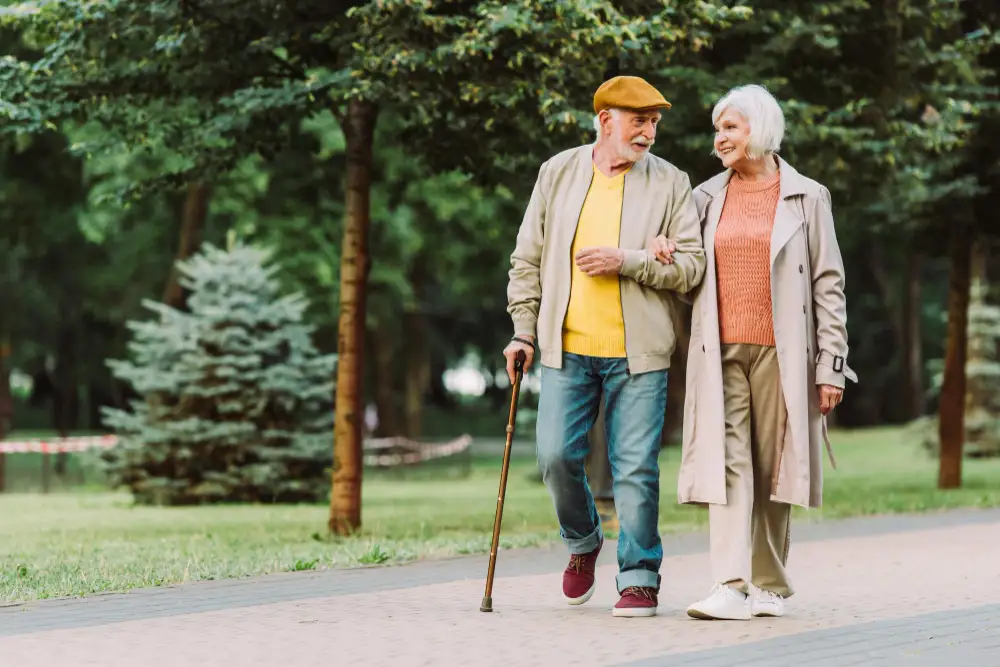
Walking for 30 minutes can offer several health benefits for seniors, including supporting heart health, maintaining muscle and joint strength, improving balance, and helping older adults stay active. Start at a comfortable pace and gradually increase activity to reduce the risk of injury.
Walking is one of the simplest forms of physical activity that seniors can incorporate into their daily routines to help maintain overall health. It does not require special equipment and can be adjusted to suit individual fitness levels and physical conditions.
Regular walking, including sessions of around 30 minutes, can provide various benefits for the body and overall health of older adults. However, the duration and intensity should be adjusted to ensure that seniors can exercise safely and comfortably.
Read Also: Best Fruits for Maintaining Bone Health in Seniors
Supports Heart Health
Walking is an aerobic activity that helps exercise the heart and circulatory system. Engaging in regular physical activity can also be part of a healthy lifestyle that supports cardiovascular health.
Seniors can start at a comfortable pace and duration. If they are not used to walking for 30 minutes, they can divide the activity into several shorter sessions based on their abilities.
Supports Muscle and Joint Strength
Walking regularly engages various muscle groups, particularly those in the legs and lower body. This activity can help seniors maintain the muscle strength needed to perform everyday tasks.
Body movement also helps keep the joints active. However, seniors who experience joint pain or mobility problems should adjust their activity levels and consult a healthcare professional when necessary.
Helps Maintain Mobility and Balance
Mobility and balance are essential for older adults. Walking can serve as a simple exercise to improve coordination and support the body’s ability to move.
To stay safe, choose flat, non-slip walking paths. Wear comfortable footwear that provides good traction to help reduce the risk of tripping.
Reduces the Risk of Falls
Regular walking can help maintain leg muscle strength, movement coordination, and balance. These abilities are important for seniors to remain stable when standing, walking, or changing positions, which may help reduce the risk of falls.
However, walking is not the only way to prevent falls. Seniors should also maintain a safe living environment, wear appropriate footwear, and use walking aids if recommended by a healthcare professional.
Maintains Stamina and Physical Fitness
Walking can help seniors stay active and gradually improve their physical endurance. With consistent practice, the body can adapt to physical activity according to individual abilities.
There is no need to push yourself to walk at a fast pace. Choose an intensity that allows you to move comfortably without experiencing excessive fatigue.
Supports Mental Health and Mood
Physical activity can be one way to support mental health and improve mood. Walking in a comfortable environment also gives seniors an opportunity to enjoy their surroundings.
If possible, seniors can walk with family members or friends. Social interaction during physical activity can help maintain social connections and make walking activities more enjoyable.
Improves Sleep Quality
Regular walking can help seniors stay physically active throughout the day, which may support a more consistent sleep schedule. Physical activity can also help the body relax, making it easier for older adults to prepare for a good night’s rest.
For optimal benefits, seniors can walk in the morning or afternoon, depending on their physical condition. Avoid walking too close to bedtime if the activity makes the body feel more alert or excessively tired.
Supports Cognitive Function
Regular physical activity can be part of a healthy lifestyle that supports brain health. Walking also involves coordination, awareness of the surrounding environment, and the ability to maintain direction while moving.
To maintain overall cognitive function, seniors should incorporate other healthy habits into their daily routines. A nutritious diet, sufficient sleep, and social activities can also contribute to a healthy lifestyle.
Helps Seniors Stay Active and Independent
The ability to move independently can help seniors manage their daily activities. Regular walking can be a simple habit that helps maintain mobility according to their physical abilities.
Family members can support seniors by providing a safe environment for walking. Assistance may also be necessary for older adults who have balance difficulties or require help during physical activities.
Read Also: Safe Osteoporosis Exercises for Seniors
The benefits of walking for 30 minutes for seniors include supporting heart health, maintaining muscle and joint strength, improving balance, building stamina, and promoting mental well-being. This activity can also help older adults stay active and maintain their daily routines.
However, every senior has different physical abilities. Start slowly, choose safe walking paths, and avoid pushing the body to reach a specific duration if you are not accustomed to regular exercise.
For seniors who experience mild incontinence but want to remain physically active, Parenty Adult Pants Soft can be an option for maintaining comfort during daily activities. Featuring Luxurious Soft material, a 3D surface, 360° elasticity, and up to 4x absorbency, these adult diapers help provide protection and comfort as seniors go about their daily routines.
1. Do seniors need to walk for 30 minutes every day?
Not necessarily. Walking duration can be adjusted according to each senior’s physical condition and abilities. Start gradually and divide the activity into several shorter sessions if needed.
2. What is the best time for seniors to go walking?
Walking times can be adjusted to suit each senior’s comfort and daily routine. Choose a time when the weather is not too hot and the surroundings are safe for walking.
3. Can seniors with joint pain go walking?
This depends on the cause and severity of the pain. If the pain is severe, newly developed, or getting worse, it is best to consult a doctor or healthcare professional before starting or continuing a walking routine.