
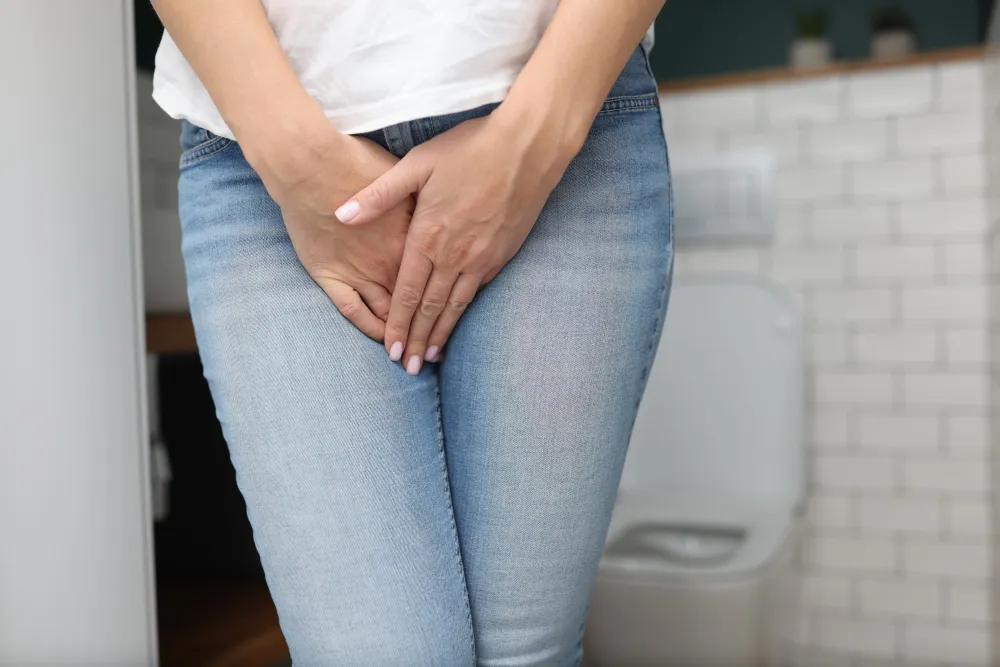
Overactive bladder in older adults is characterized by a sudden urge to urinate, frequent urination, waking up several times during the night to urinate, and urine leakage before reaching the toilet. Treatment may include bladder training, Kegel exercises, fluid management, lifestyle changes, medication, and medical procedures.
Frequent urination does become more common with age, but it should not always be considered a normal part of aging. One condition that can cause these symptoms is overactive bladder (OAB), a group of symptoms caused by involuntary bladder contractions even when there is only a small amount of urine in the bladder.
This condition can force older adults to repeatedly look for a toilet, wake up during the night, or even experience urine leakage before reaching the bathroom. Since the causes can vary, a medical examination is necessary if symptoms become more frequent or begin to interfere with daily activities.
Read Also: 5 Herbal Leaves That May Help Improve Urination
What Is Overactive Bladder in Older Adults?
Overactive bladder is a condition characterized by a sudden, strong urge to urinate that is difficult to control. These symptoms are usually accompanied by increased urination frequency during the day or night. In some people, they may also cause urgency incontinence, which refers to urine leakage following a sudden urge to urinate.
According to Mayo Clinic, frequent urination in people with OAB may mean urinating eight or more times within 24 hours, while nocturia may cause someone to wake up more than twice during the night. However, normal urination frequency can vary depending on fluid intake, medications, and individual health conditions.
Although OAB is more common among older adults, it should not be considered a normal condition simply because of aging. Its symptoms can be managed, so older adults do not have to constantly restrict their activities out of concern about finding a toilet.
Causes of Overactive Bladder in Older Adults
With OAB, the bladder muscles may contract involuntarily even when the amount of stored urine is relatively small. Various conditions can affect these contractions or cause symptoms that resemble overactive bladder.
1. Age-Related Changes in Bladder Function
Aging can affect the bladder’s ability to store urine and increase the likelihood of involuntary bladder contractions. However, age is a risk factor and does not mean that every older adult will develop OAB.
2. Disorders Affecting the Nerves That Control the Bladder
The bladder communicates with the brain and spinal cord through the nervous system to regulate when urine should be released. Disruptions in these nerve pathways can cause bladder contractions to occur at inappropriate times, resulting in a sudden urge to urinate.
3. Enlarged Prostate in Older Men
An enlarged prostate can obstruct urine flow, preventing the bladder from emptying completely. The remaining urine reduces the bladder’s effective storage capacity and may cause the urge to urinate again sooner.
4. Menopause in Older Women
After menopause, estrogen levels decrease, potentially affecting the tissues surrounding the vagina, urethra, and bladder. These hormonal changes may be associated with urinary symptoms, including sudden urges to urinate in some women.
5. Diabetes
Diabetes can increase the risk of bladder control problems through several mechanisms, including increased urine production when blood sugar levels are high and nerve damage caused by long-term diabetes. Diabetes is also listed as one of the conditions that may be associated with OAB.
6. Stroke, Parkinson’s Disease, or Other Neurological Conditions
Diseases that affect the brain or nervous system can disrupt communication between the brain and bladder. Stroke and other neurological disorders can therefore cause or worsen urgency and OAB symptoms.
7. Side Effects of Certain Medications
Some medications can increase urine production or require patients to consume larger amounts of fluids, resulting in more frequent urination. Therefore, older adults who notice changes in their urination patterns after starting certain medications should discuss them with their doctor and should not stop taking the medication on their own.
8. Excessive Caffeine or Alcohol Consumption
Caffeine and alcohol can increase urine production or irritate the bladder in some people. Reducing coffee, caffeinated tea, energy drinks, and alcohol may help determine whether OAB symptoms improve.
Symptoms of Overactive Bladder in Older Adults
OAB symptoms are primarily associated with urinary urgency and increased urination frequency. Their severity can vary, ranging from frequently needing to find a toilet to experiencing urine leakage before reaching the bathroom.
1. Sudden Urges to Urinate
A characteristic symptom of OAB is a sudden, strong urge to urinate that is difficult to postpone. This urge can occur even when the bladder is not yet full.
2. Urinating More Frequently Than Usual
Older adults with OAB may visit the toilet more frequently, even if the amount of urine released is relatively small. Mayo Clinic uses urinating eight or more times within 24 hours as one indicator of OAB, although each person’s condition still needs to be assessed individually.
3. Waking Up at Night to Urinate
OAB can cause nocturia, a condition that makes someone wake up during the night to urinate. When this happens repeatedly, sleep becomes interrupted, and the body may feel more tired the following day.
4. Urine Leakage Before Reaching the Toilet
A sudden and overwhelming urge to urinate can cause urine to leak before an older adult manages to reach the toilet. This condition is known as urgency urinary incontinence and can occur alongside OAB.
Is Overactive Bladder the Same as Urinary Incontinence?
No. Overactive bladder is a group of symptoms primarily characterized by urgency, or a sudden need to urinate, usually accompanied by increased urination frequency and nocturia.
Meanwhile, urinary incontinence refers to the loss of bladder control, causing urine to leak involuntarily. OAB can occur alongside incontinence, but someone can also experience OAB without any urine leakage.
There are also several types of urinary incontinence that are not necessarily related to OAB. For example, stress incontinence causes urine leakage when coughing, sneezing, laughing, or performing activities that put pressure on the bladder.
How Overactive Bladder Affects Older Adults
OAB is not just about how often someone needs to use the toilet. Unpredictable urges to urinate can affect sleep, daily activities, emotional well-being, and the way older adults interact with their families.
1. Disrupting Sleep Quality
Nocturia can cause older adults to wake up repeatedly during the night, resulting in fragmented sleep. Sleep disturbances caused by OAB can affect energy levels and comfort during daytime activities.
2. Limiting Activities and Social Interaction
Some people begin avoiding long trips, family gatherings, exercise, or social activities because they worry about not being able to find a toilet. OAB is known to cause some people to withdraw from social activities and limit their daily routines.
3. Reducing Self-Confidence
The fear of experiencing urine leakage in public can make some older adults feel embarrassed or less confident. These feelings may even occur when leakage has never actually happened.
4. Increasing the Risk of Falls When Rushing to the Toilet
A sudden urge to urinate may cause older adults to rush to the toilet, especially at night when visibility is poor and the body is not fully awake. This situation can increase the risk of falls, particularly among people who already have balance or mobility problems.
5. Causing Stress and Anxiety
Being unable to predict when the urge to urinate will occur can create anxiety before traveling or participating in activities. OAB is also associated with emotional distress, anxiety, and depression in some people.
6. Increasing Dependence on Caregivers
Older adults with limited mobility may need assistance getting to the toilet quickly, changing clothes, or managing urine leakage. However, assistance should be adjusted to their individual abilities so that support does not automatically take over activities they can still perform independently.
How to Manage Overactive Bladder in Older Adults
OAB treatment is usually carried out gradually and tailored to the underlying cause, overall health, and severity of symptoms. Behavioral changes and bladder training are often the initial steps before medication or medical procedures are considered.
1. Establish a Urination Schedule
Scheduled bathroom visits can help reduce the habit of going to the toilet every time a mild urge occurs. For example, someone can start by urinating every two hours, then gradually adjust the intervals based on guidance from a healthcare professional.
2. Practice Bladder Training
Bladder training aims to train the bladder to hold urine for slightly longer when the urge to urinate occurs. The exercise is performed gradually by increasing the intervals between bathroom visits, rather than holding urine for excessive periods.
3. Strengthen Pelvic Floor Muscles with Kegel Exercises
Kegel exercises help strengthen the pelvic floor muscles, which play an important role in controlling urine flow. Contracting these muscles when urgency occurs may also help some people control the urge until they can reach the toilet.
4. Manage the Timing and Amount of Fluid Intake
Drinking too much can worsen urinary frequency, but drinking too little can make urine more concentrated and irritate the bladder. Therefore, fluid intake should be adequate and spread throughout the day, while reducing fluid consumption before bedtime may help if nocturia is a problem.
5. Limit Caffeine, Alcohol, and Carbonated Drinks
Coffee, caffeinated tea, alcohol, and carbonated beverages can worsen symptoms in some people. Try reducing one type of beverage at a time and observe whether urination frequency or urgency changes.
6. Maintain a Healthy Body Weight
Excess body weight can increase pressure on the bladder and worsen certain bladder control problems. Gradual weight loss in people who are overweight may help reduce specific symptoms.
7. Manage Constipation
The rectum is located close to the bladder, and both share some nerve pathways. Hard stools that accumulate due to constipation can increase pressure and worsen urinary frequency and urgency. Therefore, adequate fiber intake and regular bowel habits should be maintained.
8. Take Medication as Prescribed by a Doctor
If behavioral changes are not sufficient, doctors may prescribe medications that help reduce bladder contractions or increase urine storage capacity, such as anticholinergics or mirabegron. These medications have potential side effects and require special consideration in older adults, so their use should be supervised by a doctor.
9. Undergo Medical Procedures When Necessary
For OAB that does not improve with previous approaches, doctors may consider other treatments, such as onabotulinumtoxinA injections or nerve stimulation procedures. Treatment options are determined based on the patient’s condition, expected benefits, and potential risks, such as urinary retention or infection.
Read Also: Foods to Avoid During a Urinary Tract Infection
Support Older Adults in Maintaining Bladder Health with Parenty Adult Pants Soft
Overactive bladder can cause older adults to visit the toilet more frequently, wake up during the night, or experience urine leakage due to sudden urges to urinate. These symptoms can be managed through lifestyle changes, bladder training, Kegel exercises, and medical treatment based on the underlying cause. Older adults do not have to immediately give up activities they still enjoy.
For older adults with mild incontinence who remain physically active, Parenty Adult Pants Soft provides additional protection during daily activities. The product is designed like regular underwear, with a slim, body-hugging fit. It features Luxurious Soft technology for an extra-soft surface, 3D Surface technology to help distribute liquid quickly and evenly for a drier feel, 360° Elastic to help prevent leakage, and 4x absorbency.
Parenty understands that frequent urination or urine leakage should not cause older adults to lose their comfort and confidence. With proper treatment, supportive family care that respects their independence, and protection suited to their needs, older adults can continue their daily routines comfortably and independently.
1. Can Overactive Bladder Be Completely Cured?
It depends on the underlying cause. Symptoms can be controlled in many people through lifestyle changes, exercises, medication, or medical treatment.
2. Can a Urinary Tract Infection Cause Symptoms Similar to OAB?
Yes. Urinary tract infections can cause urgency and frequent urination. A medical examination is necessary if symptoms appear suddenly or are accompanied by pain and fever.
3. Does OAB Only Affect Women?
No. OAB can affect both men and women, although the underlying causes and risk factors may differ.