
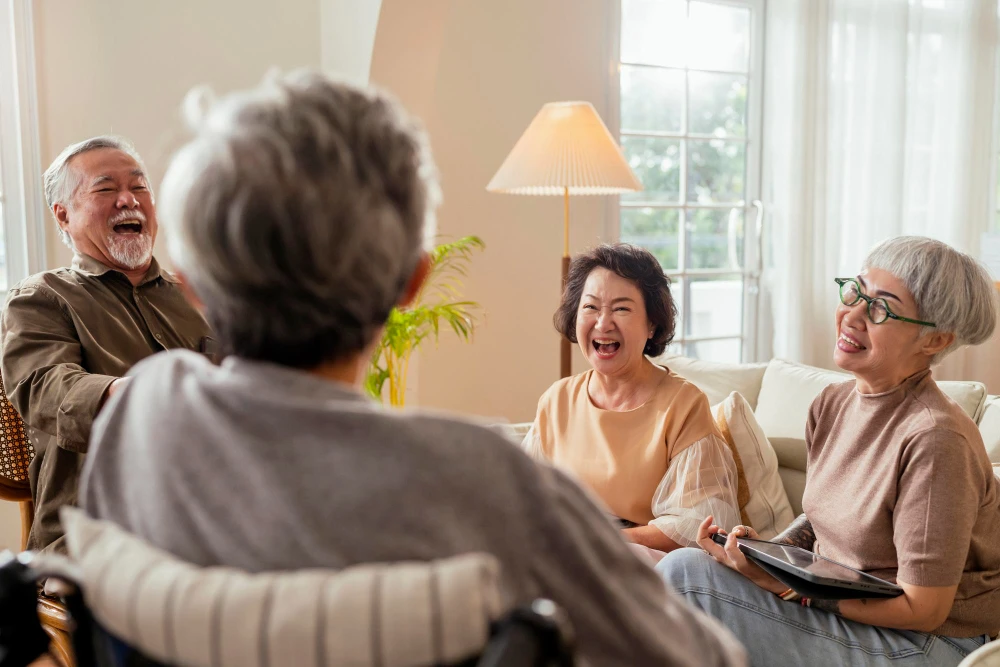
An elderly person is someone aged 60 years or older, according to both the World Health Organization (WHO) and the Indonesian Ministry of Health. As life expectancy continues to rise, the number of older adults is growing rapidly, increasing the need for healthcare services, social support, and long-term elderly care.
Indonesia officially entered an aging population era in 2021. According to the 2024 Statistics Indonesia (BPS) report, approximately 12% of Indonesia’s population—nearly 29 million people—is aged 60 years or above. This figure is projected to reach 20% by 2045, making healthy aging and elderly care increasingly important for healthcare providers, caregivers, and families.
What Is an Elderly Person?
An elderly person is an individual who has reached later life and is experiencing the natural aging process. Aging affects physical function, overall health, and the body’s ability to adapt to environmental changes.
In Indonesia, Law No. 13 of 1998 on Elderly Welfare defines elderly people as citizens aged 60 years or older.
Aging is a gradual biological process that affects every organ system, including the muscles, bones, cardiovascular system, and nervous system. These changes may reduce mobility, strength, and the ability to perform daily activities independently.
However, growing older does not necessarily mean losing independence. Many older adults continue working, exercising, participating in community activities, and maintaining an active lifestyle. Healthy aging depends on several factors, including balanced nutrition, regular physical activity, proper medical care, and strong family and social support.
The Current Situation of Older Adults in Indonesia
Indonesia’s elderly population faces increasing health challenges as the prevalence of chronic diseases rises with age. Nevertheless, most older adults remain independent.
According to the 2023 Indonesia Health Survey (SKI) published by the Ministry of Health:
- Around 95% of adults aged 60 and above remain fully independent.
- 2.1% experience mild dependency.
- 2.9% require moderate to total assistance with daily activities.
The survey also found that non-communicable diseases (NCDs) remain the leading health concerns among older adults. The most common conditions include:
- Hypertension
- Diabetes mellitus
- Stroke
Without proper management, these chronic illnesses can significantly reduce mobility, independence, and overall quality of life.
To address these challenges, Indonesia continues promoting preventive healthcare and healthy aging initiatives. One important example is National Elderly Day, celebrated annually on May 29, which raises public awareness about elderly health and well-being.
Elderly Age Categories According to WHO
The World Health Organization (WHO) classifies older adults into several age groups to better plan healthcare services and social support.
Middle Age (45–59 Years)
Often referred to as pre-elderly or pre-seniors, this stage marks the beginning of increased risk for chronic diseases. Preventive health measures become especially important during this period.
Young-Old (60–74 Years)
Individuals in this age group are generally still active and capable of living independently while maintaining social and physical activities.
Old-Old (75–90 Years)
Older adults in this category usually experience more noticeable declines in physical function and may require closer medical monitoring and additional support.
Oldest-Old (Above 90 Years)
People over 90 years of age often require comprehensive healthcare, long-term care, and greater family or community assistance.
Elderly Classification According to the Indonesian Ministry of Health
The Indonesian Ministry of Health uses a simpler classification:
- Pre-Elderly: 45–59 years
- Elderly: 60 years and above
These classifications support national healthcare programs by enabling age-specific preventive care, early disease detection, and interventions that help older adults maintain independence and improve their quality of life.
Tips for Healthy Aging
Maintaining good health during older age requires consistent healthy lifestyle habits. Older adults can improve their well-being by:
- Staying physically active through regular exercise.
- Eating a balanced, nutrient-rich diet.
- Managing chronic diseases through routine medical check-ups.
- Maintaining social connections and participating in community activities.
- Getting adequate sleep and managing stress.
- Seeking early treatment for health concerns before complications develop.
Healthy aging is not only about living longer—it is about preserving independence, mobility, and quality of life.
Conclusion
An elderly person is generally defined as someone 60 years of age or older, according to both the World Health Organization (WHO) and the Indonesian Ministry of Health. Understanding elderly age categories helps healthcare professionals, caregivers, and families provide appropriate support throughout different stages of aging.
As Indonesia’s elderly population continues to grow, promoting healthy aging has become increasingly important. Through preventive healthcare, healthy lifestyle choices, regular medical check-ups, and effective management of chronic diseases, older adults can remain active, independent, and enjoy a better quality of life.
For seniors experiencing moderate to heavy urinary incontinence, maintaining comfort and dignity is equally important. Parenty Adult Pants Heavy Flow are premium adult pull-up diapers designed with up to 6x absorbency, up to 12 hours of leakage protection, antibacterial technology, soft breathable materials, and a 360-degree elastic waistband, helping older adults stay comfortable, dry, and confident throughout the day.