
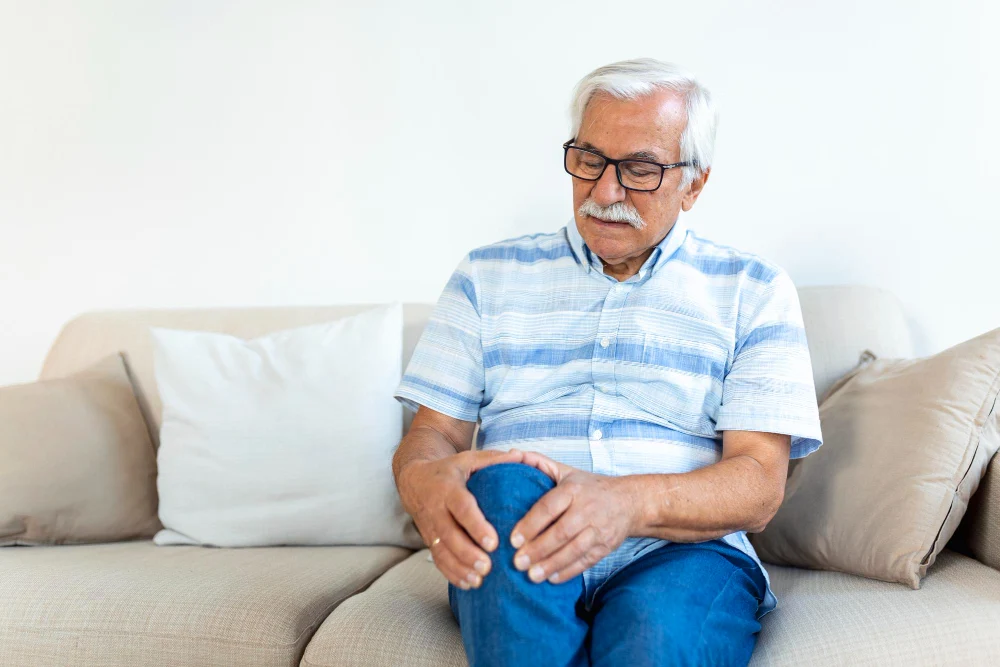
Therapy for osteoarthritis patients is an important step to help older adults reduce joint pain. Osteoarthritis is a joint disease caused by cartilage damage, resulting in pain, stiffness, and limited movement, especially among older adults.
Although osteoarthritis cannot be completely cured, proper therapy can help control symptoms and slow down the progression of joint damage. With appropriate treatment, older adults can continue their daily activities more comfortably and independently.
What Is Osteoarthritis?
Osteoarthritis is a condition where cartilage in the body gradually becomes thinner or damaged. As a result, bones rub against each other, causing pain and stiffness.
This condition commonly affects the knees, hips, hands, or spine. Among older adults, osteoarthritis is a common problem that can affect daily mobility.
Causes and Symptoms of Osteoarthritis
Before discussing treatment options, it is important to understand the causes and signs of osteoarthritis.
1. Main Causes of Osteoarthritis
Osteoarthritis occurs when cartilage, which functions as a cushion at the ends of bones, gradually deteriorates. This causes direct friction between bones in the joint, triggering pain and restricted movement.
Several factors that can cause or accelerate cartilage damage include:
- Aging:
As people get older, cartilage elasticity naturally decreases. This can cause older adults to experience stiff and clicking knees due to reduced joint cushioning. - Joint Injuries:
Damage can also be caused by previous trauma or accidents. For example, former athletes may develop osteoarthritis at a younger age due to a history of ligament injuries during sports activities. - Obesity:
Excess body weight increases mechanical pressure on the body, continuously stressing joints and accelerating cartilage wear, especially in the knees and hips. - Repetitive Activities:
Continuous movements or pressure over a long period can cause joints to wear out faster, such as in construction workers or dancers who frequently squat and lift heavy loads for years.
2. Common Symptoms
Symptoms of joint disorders such as osteoarthritis generally do not appear suddenly but develop gradually over time. In the early stages, discomfort may only occur after strenuous activities. However, without proper treatment, symptoms can worsen and interfere with normal daily activities.
- Pain During Movement:
Pain occurs due to direct friction between bones when the joint is used, such as knee pain when walking long distances or going up and down stairs. - Morning Stiffness:
Joints may feel stiff after being inactive for a long time due to thickened joint fluid. For example, fingers or knees may feel difficult to bend shortly after waking up. - “Cracking” Sound (Crepitus):
This sound or grinding sensation occurs because the cartilage cushion has become thin and worn out, such as when the knee makes a clicking sound while moving from a squatting to standing position. - Joint Swelling:
Joints may appear enlarged and inflamed due to fluid buildup around damaged areas, such as a swollen, red, and warm knee after walking. - Limited Range of Motion:
Reduced joint function occurs due to structural changes that restrict movement, causing difficulty fully straightening the arm or bending the leg normally.
Treatment Goals for Osteoarthritis Patients
Osteoarthritis therapy generally aims to control symptoms rather than completely cure the disease. Proper treatment can help reduce pain, relieve stiffness, and maintain optimal joint function for daily activities.
In addition, therapy also plays an important role in slowing down the progression of joint damage that may occur over time. With better-maintained joint conditions, older adults can perform daily activities more comfortably, safely, and independently.
Types of Therapy for Osteoarthritis Patients
There are various therapy options available for osteoarthritis patients, which can be adjusted based on the severity of the condition. The main goals are to reduce pain, maintain joint function, and slow down the progression of joint damage.
1. Medication Therapy
Pain relievers and anti-inflammatory medications are commonly prescribed by doctors to reduce pain and joint inflammation according to the severity of the patient’s symptoms. These medications are usually taken for a certain period, such as regularly every day for 2 to 4 weeks, and require a doctor’s prescription and close monitoring.
This is because these medications may carry risks of serious side effects in the digestive system, such as erosion of the stomach lining, which can lead to ulcers and stomach bleeding.
In addition, excessive use of medication without medical supervision may potentially damage other internal organs, such as reducing kidney function and increasing the risk of heart problems.
2. Physiotherapy
Physiotherapy aims to strengthen the muscles around the joints, reducing the pressure placed on joints affected by osteoarthritis. Exercise programs are usually performed 1–3 times per week under the guidance of a physiotherapist and are adjusted according to the patient’s abilities.
In addition to muscle-strengthening exercises, physiotherapy may also include stretching, balance training, and exercises to improve joint range of motion. When performed regularly, this therapy can help reduce stiffness and improve mobility during daily activities.
3. Joint Injections
Joint injections are a treatment option for patients with moderate to severe osteoarthritis when oral medication and physiotherapy are no longer effective in relieving pain. During this procedure, doctors inject corticosteroid medication directly into the affected joint area to quickly reduce inflammation.
The pain-relieving effects of these injections usually begin within 1–3 days and may last for approximately 3–4 weeks, especially in cases where the joint has suffered severe damage.
Meanwhile, in milder joint conditions, the pain relief effects may last up to 3–6 months before patients require further evaluation or repeated therapy.
4. Hydrotherapy
Hydrotherapy, also known as water therapy, is a physical exercise method performed in a warm swimming pool specifically designed for people with joint disorders. Water provides buoyancy, which helps support the patient’s body weight and reduces pressure on the joints during movement.
In water, patients can train muscle strength and joint flexibility more comfortably without worrying about triggering severe pain. The warm water temperature also naturally helps improve blood circulation while relaxing stiff muscles around the joints.
5. Lifestyle Changes
Lifestyle changes are a fundamental part of managing osteoarthritis to prevent further joint damage. Patients are strongly encouraged to maintain an ideal body weight to reduce the mechanical load supported by the knee and hip joints.
In addition, limiting strenuous activities involving repeated extreme movements, such as jumping or lifting heavy objects, can protect cartilage from excessive friction. These daily habit changes should also be balanced with adequate rest to allow inflamed joints enough time to recover.
6. Surgery
Surgery is considered the final treatment option for osteoarthritis patients when all non-surgical therapies are no longer effective in relieving pain. This procedure is recommended when older adults experience significant limitations in daily activities, such as being unable to walk short distances, get up from a chair, climb down stairs, or bathe and dress independently.
The most common procedure is joint replacement surgery, which removes damaged joint parts and replaces them with artificial components. Through the installation of a prosthetic joint, body weight can be supported again, allowing patients to regain independent movement without experiencing severe pain.
Conclusion
Therapies for osteoarthritis patients include various options, ranging from medication therapy, physiotherapy, hydrotherapy, and joint injections to surgery for more severe conditions. In addition, adopting a healthy lifestyle, such as maintaining an ideal body weight and exercising regularly, also plays an important role in reducing pain and maintaining joint health.
For older adults experiencing limited mobility due to osteoarthritis, comfort should be a priority. Parenty Adult Pants Soft offers high absorbency of up to 4 times its capacity and a luxurious soft material that provides extra comfort during use while helping keep the skin dry.
Frequently Asked Questions
1. Can osteoarthritis be completely prevented?
The risk of osteoarthritis can be reduced through a healthy lifestyle and maintaining an ideal body weight.
2. Does osteoarthritis always get worse over time?
Osteoarthritis can worsen over time. However, its progression can be slowed through proper therapy and treatment.
3. Is exercise safe for people with osteoarthritis?
Yes. Exercise is safe when performed at a light intensity and according to medical recommendations.
4. Does osteoarthritis only occur in older adults?
No. This condition can also occur in younger people due to injuries or certain risk factors.
5. Does weather changes affect osteoarthritis pain?
Some people report experiencing increased pain during cold or humid weather. This may occur because lower air pressure during cold weather can cause tissues around the joints to expand and put pressure on pain-sensitive nerves.
6. Are Parenty adult diapers suitable for older adults who spend more time resting in bed?
Yes. Parenty adult diapers are designed with high absorbency to help maintain comfort for older adults with limited mobility or those undergoing bed rest.
7. How do you choose the right size of Parenty adult diapers?
The size of Parenty adult diapers should be selected based on the user’s waist circumference to ensure a comfortable fit, avoid being too tight, and provide optimal protection against leakage.